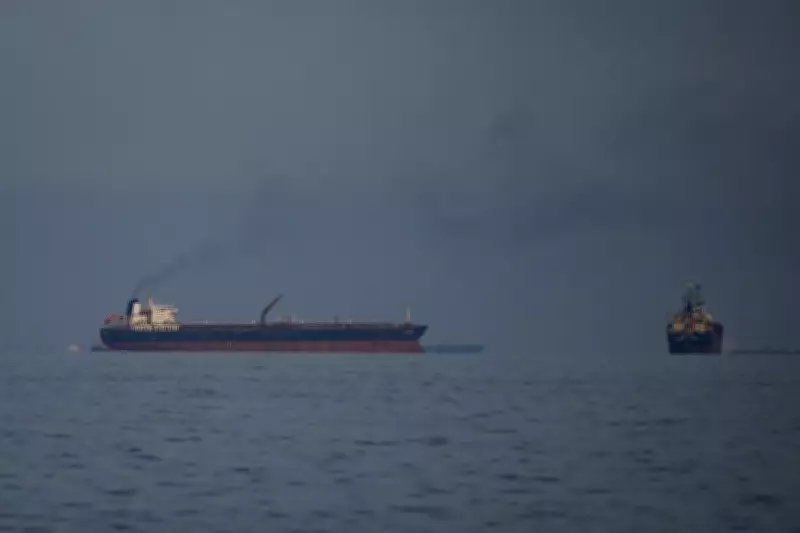
UK and US Military Experts Collaborate on Strait of Hormuz Reopening Plans
British military experts are currently working alongside their United States counterparts to develop and assess potential options for reopening the critical Strait of Hormuz. A specialised team has been dispatched to US Central Command, the headquarters responsible for overseeing American military operations across the Middle East region.
High-Risk Environment Deters International Naval Deployment
However, defence sources have strongly emphasised that the current security situation within the Strait of Hormuz remains extremely perilous. These sources indicate that very few nations would be prepared to deploy their warships directly into such a high-threat environment at this present time. The ongoing blockade poses a significant threat to the stability of the global economy, reliant on the free flow of oil and gas through this narrow maritime chokepoint.
US President Donald Trump has previously suggested that, following military actions against Iran, the responsibility for securing the waterway could fall to the countries whose economies depend on its exports. Despite this political context, British experts continue their collaborative planning efforts with the United States military.

Historical Precedent and Modern Complexities
Armed Forces Minister Al Carns provided historical context, noting that during the last major crisis in 1987, it required a fleet of approximately thirty warships to safely escort vessels through the strait. This example underscores the substantial resources necessary for such an operation.
Minister Carns further explained that the contemporary challenge is far more complex. Iran's modern arsenal includes a diverse range of threats such as fast attack boats, various types of naval mines, ballistic missiles, and unmanned drones operating in the air, on the sea surface, and underwater.
"I would say this must be a multinational solution," stated Carns. "We're not anywhere near that at the moment, but I would say one thing: that there's one thing worse than working with allies, and that's working without them."
Multilateral Discussions and Fluid Situation
On Wednesday, Defence Secretary John Healey engaged in discussions regarding the strait's situation with his ministerial counterparts from France, Germany, Italy, and Poland. Another senior defence official described the overall scenario as "incredibly fluid".
This official echoed the prevailing caution, stating, "The level of threat is such that I don't see many nations being willing to put warships into the middle of that threat right now." The collaborative work between UK and US military planners continues as they evaluate the formidable operational challenges involved in any potential mission to reopen this vital global shipping lane.