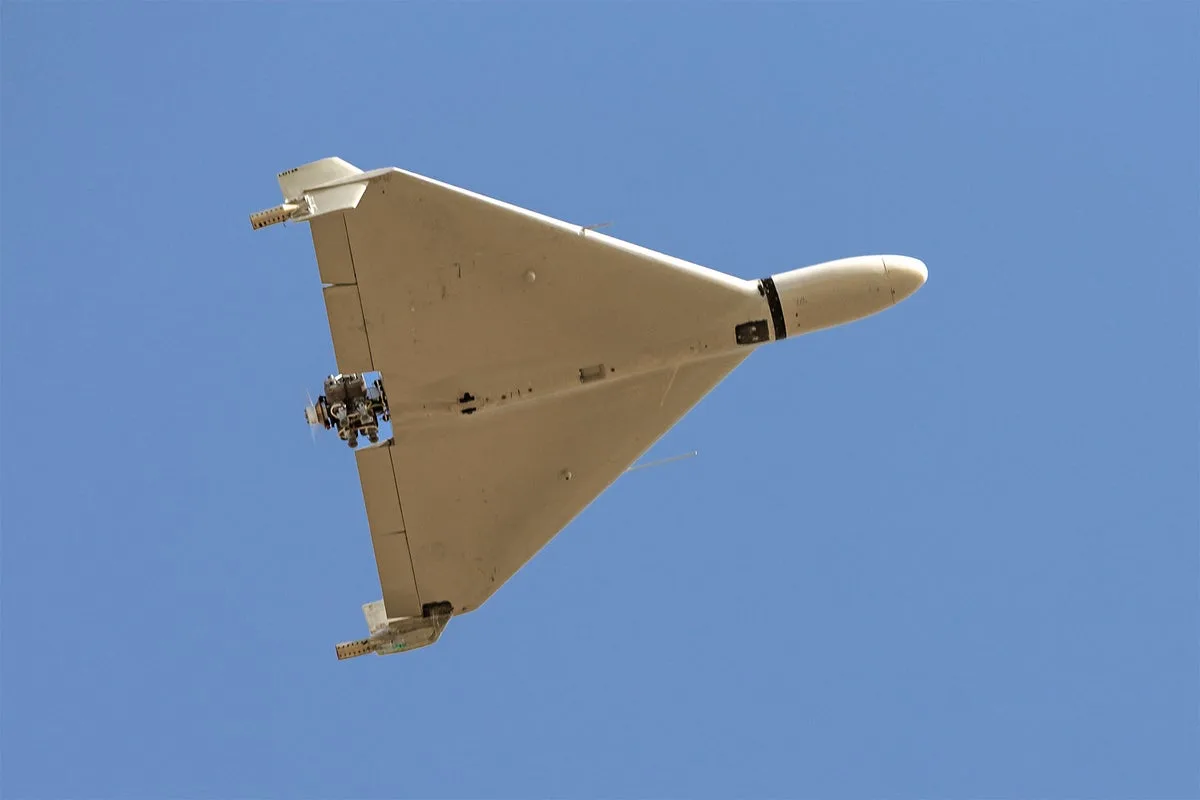
UK Ground Forces Achieve Record Drone Interceptions in Escalating Iran Conflict
British troops stationed in Iraq have successfully shot down at least five Iranian kamikaze drones, representing the most significant drone interception operation conducted by UK forces since the commencement of their defensive missions against Iranian attacks. This critical defensive action occurred after Iranian troops targeted a military base located in Iraqi Kurdistan, underscoring the intensifying nature of the regional conflict.
Escalating Strikes and Coalition Defences
The drone interception follows closely on the heels of a previous attack where drones struck a coalition base in Erbil, the capital of Iraq's Kurdistan region, resulting in injuries to several US personnel. Fortunately, no British casualties were reported in either incident. In a continued show of defensive readiness, UK Typhoon and F-35B warplanes are maintaining vigilant patrols over strategic areas including Qatar, Bahrain, the United Arab Emirates, Jordan, and the Eastern Mediterranean.
High-Profile Iranian Leadership Casualties Claimed
This latest military engagement coincides with Israel's military assertion that it has eliminated Tehran's most senior security chief, Ali Larijani, in fresh strikes targeting the Iranian regime. If verified, Larijani's death would constitute the most significant leadership loss for Iran since the demise of Ayatollah Ali Khamenei at the war's outset. Larijani held the influential position of secretary for Iran's National Security Council, served as a key advisor to the Ayatollah, and previously acted as Iran's chief nuclear negotiator from 2005 to 2007.
Additionally, the Israeli Defence Force claims to have killed Gholamreza Soleimani, the commander of the Basij paramilitary militia. The Basij, a substantial unit within the Islamic Revolutionary Guard Corps boasting approximately 200,000 paramilitaries with nationwide presence, has faced numerous allegations of human rights violations and is believed responsible for thousands of deaths among opposition protesters during anti-government demonstrations across Iran.
Diplomatic Tensions and Military Deployments
The reported Iranian leadership losses occurred shortly before US President Donald Trump publicly criticised UK Prime Minister Keir Starmer for declining to provide military assistance aimed at securing the Strait of Hormuz. During a White House meeting with Irish Prime Minister Michael Martin, President Trump expressed his disappointment, stating, "I am disappointed with Keir Starmer. Unfortunately Keir is no Winston Churchill."
The conflict has now resulted in at least 2,000 fatalities, with no resolution in sight. President Trump is contemplating the deployment of ground forces, having authorised the mobilisation of 5,000 marines for a potential 'boots on the ground' operation to facilitate the reopening of the Strait of Hormuz. This crucial oil shipping route has been obstructed under the threat of Iranian missiles following vessel targeting by the Islamic Revolutionary Guard Corps.
International Reactions and Broader Conflict Impact
President Trump has also voiced strong criticism towards European NATO allies for their reluctance to support efforts to reopen the Strait of Hormuz. He remarked, "I think NATO is making a very foolish mistake. And I've long said that, you know, I wonder whether or not NATO would ever be there for us. So this was a great test, because we don’t need them, but they should have been there." He further noted substantial support from Middle Eastern nations but essentially none from NATO.
According to the Iranian Red Crescent Society, Israeli and American strikes within Iran have claimed over 1,200 lives. The conflict has also inflicted significant casualties in Lebanon, with at least 850 deaths, and in Israel, where 13 have perished. Thirteen US service members have been killed in combat, with two additional non-combat fatalities.
Recent Attacks and Diplomatic Standoff
The situation further deteriorated with additional Iranian strikes on US-linked targets in Iraq, including an attack on the American embassy within Baghdad's heavily fortified "green zone." This assault involved three drones and four rockets as pro-Iranian militia forces attempted to overwhelm air defences in the diplomatic quarter. Sources describe this as the most intense strike on the area since hostilities began.
Iran has acknowledged receiving peace overtures from the US through back channels but responded defiantly, stating, "It's not the right time for peace. The US must pay compensation." Iranian officials also report that Motjaba Khamenei, the leader who has remained unseen since the war's inception, has rejected any proposals to end the conflict. Concurrently, Israel has conducted air strikes on Beirut, the Lebanese capital, in efforts to counter Hezbollah missile attacks supporting Iran.




