UK Deploys Additional Troops and Air Defence Systems to Middle East Amid Iran Tensions
UK Sends More Troops to Middle East to Counter Iran Missile Threats

UK Bolsters Military Presence in Middle East to Counter Iranian Aggression

Britain is significantly increasing its military footprint in the Middle East by deploying additional troops equipped with sophisticated ground-to-air defence systems. This strategic move aims to bolster the defensive capabilities of key regional allies against persistent missile threats from Iran's Islamic Revolutionary Guards Corps.

Enhanced Air Defence Deployments Across Gulf States

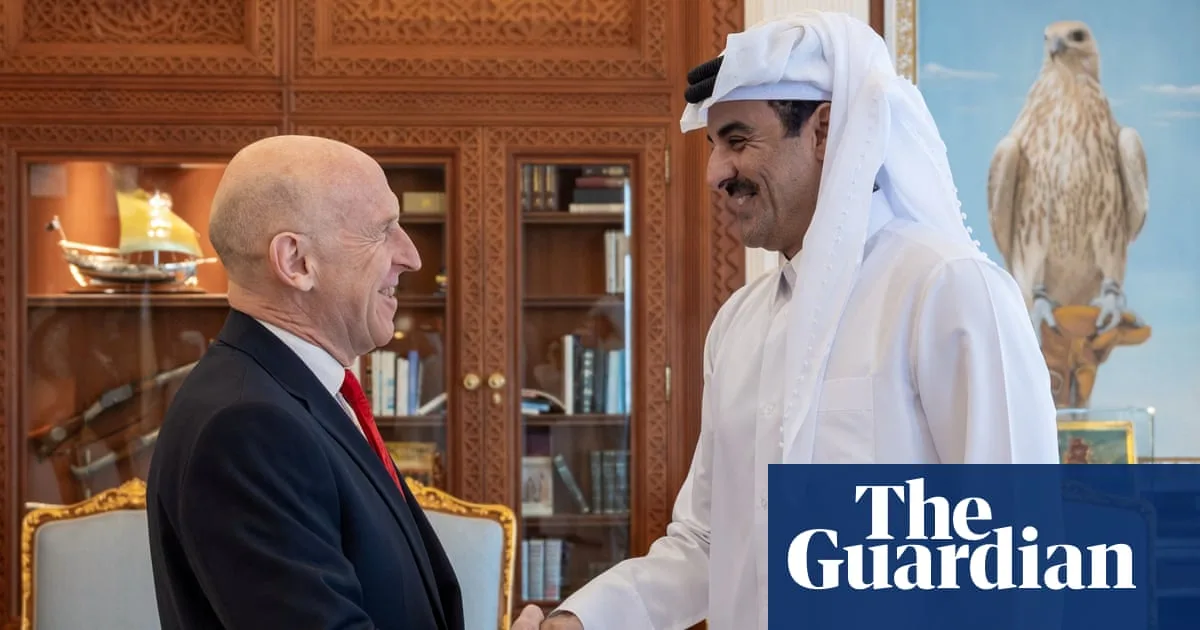
UK Defence Secretary John Healey has confirmed that extra military personnel will be stationed in Saudi Arabia, Bahrain, and Kuwait. During his diplomatic tour of the region, Healey emphasized Britain's commitment to regional security, stating: "My message to Gulf partners is: Britain's best will help you defend your skies."

The deployment includes the advanced Sky Sabre air defence missile system for Saudi Arabia, complete with operational teams. This system is capable of intercepting both munitions and aircraft. Bahrain has already received the Lightweight Multirole Missile launcher, a short-range air defence system, accompanied by British experts. Meanwhile, Kuwait has been equipped with the Rapid Sentry ground-based air defence missile system.

Wide Pickt banner — collaborative shopping lists app for Telegram, phone mockup with grocery list

Extension of Typhoon Jet Patrols and Defensive Posture

In addition to ground forces, the UK is extending its Typhoon jet patrols to include Qatar. This expansion forms part of a broader defensive strategy that has seen British forces conducting protective missions since the conflict's inception. Healey explained: "Iran's aggressive attacks continue to threaten our allies and interests in the Middle East. That's why the UK has been flying defensive missions since day one of this conflict to protect British interests and allies."

Prime Minister Keir Starmer has repeatedly clarified that the UK's involvement is strictly defensive. Over the weekend, Starmer asserted: "This is not our war." He reiterated this position on Monday, stating: "This is not our war and we're not going to get drawn into it." The government maintains that its actions are solely aimed at safeguarding British interests and supporting long-term partners in the region.

Regional Context and International Reactions

The conflict has escalated regional tensions, with Iran launching missile attacks against neighbouring Gulf States that are allied with the United States. Concurrently, fighting has intensified in southern Lebanon, where four Israeli soldiers have been killed in operations against Hezbollah targets.

Internationally, the UK's stance has drawn criticism from US President Donald Trump. He specifically referenced Britain in remarks about countries that did not participate in initial strikes against Iran, suggesting they should "get your own oil" from the Strait of Hormuz. Trump commented: "All of those countries that can't get jet fuel because of the Strait of Hormuz, like the United Kingdom, which refused to get involved in the decapitation of Iran, I have a suggestion for you... build up some delayed courage, go to the Strait, and just TAKE IT."

Strategic Considerations and Future Implications

Despite the defensive posture, the UK has permitted the US to use British bases for defensive strikes on Iranian missile sites. This decision follows Starmer's refusal to allow UK bases to be used for the initial US-Israeli offensive operations. The broader geopolitical landscape remains volatile, with reports indicating that the US is considering deploying thousands of ground troops to Iran, potentially to secure the Strait of Hormuz or pursue regime change objectives.

Military analysts estimate that nearly 8,000 Marines and Paratroopers are being assembled in the Gulf, with an additional 10,000 on standby. At least 3,500 Marines have already arrived aboard the USS Tripoli, an amphibious assault warship. However, many experts caution that a ground operation within Iran could lead to disastrous consequences, highlighting the complex risks involved in the ongoing regional conflict.

Pickt after-article banner — collaborative shopping lists app with family illustration

Healey concluded by reaffirming Britain's commitment: "We will stand by our long-term partners in the Middle East and continue to push for a swift resolution to this conflict." As tensions persist, the UK's enhanced military deployments underscore its strategic focus on defensive cooperation and regional stability in the face of escalating threats.




