Britain is significantly enhancing its military support to Gulf allies by deploying advanced air defence systems to counter the growing threat from Iranian suicide drones, Defence Secretary John Healey confirmed today. The announcement came during a high-level visit to key partners in the region, where critical energy infrastructure has sustained damage from sustained attacks.
Strengthening Regional Defences
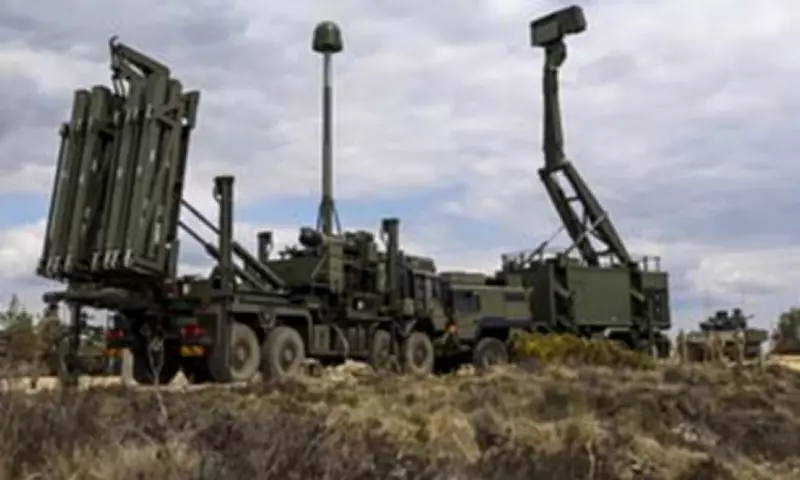
The United Kingdom will dispatch sophisticated Sky Sabre missile defence systems to Saudi Arabia while simultaneously extending the protective flight coverage provided by RAF Typhoon aircraft operating from Qatar. Additionally, specialised defence teams have been deployed to both Bahrain and Kuwait as part of this comprehensive security reinforcement initiative.
Healey's Firm Commitment
Following intensive discussions with Gulf leaders, Defence Secretary John Healey delivered a resolute statement. "Iran's aggressive and destabilising attacks continue to pose a direct threat to our allies and vital interests throughout the Middle East," Healey declared. "This is precisely why the United Kingdom has been conducting continuous defensive aerial missions since the very inception of this conflict. Today, we are delivering substantial additional support by extending our UK jet operations in Qatar and deploying extra air defence specialist teams across the region."

He expressed profound pride in the "courage and exceptional professionalism" demonstrated by British armed forces since hostilities began. "My unequivocal message to our Gulf partners is that Britain's finest capabilities and personnel will assist you in defending your sovereign skies," Healey affirmed. He paid tribute to the "heroic efforts" of Gulf nations in protecting their territories and reiterated Britain's steadfast commitment to standing by its long-term Middle Eastern partners while advocating for a swift resolution to the ongoing conflict.
Advanced Military Capabilities
The Sky Sabre defence missile systems represent cutting-edge technology capable of intercepting ballistic ordnance and neutralising one-way attack drones. This strategic enhancement of military aid to Gulf states was formally announced as Defence Secretary Healey conducted his regional diplomatic tour, which included a meeting with Qatar's Emir Sheikh Tamim bin Hamad Al-Thani in Doha.
As part of Britain's collective defence obligations to allies, Healey's itinerary encompassed the Kingdom of Saudi Arabia, Qatar, and Bahrain. During these visits, he engaged in detailed consultations concerning the ongoing conflict, security challenges in the Strait of Hormuz, and avenues for deepened UK-Gulf cooperation on regional stability as the war entered its second month.
Operational Engagements
The Defence Secretary visited Dukhan airbase and conferred with the Emir of Qatar, the King of Bahrain, and senior defence officials from all three nations. Healey also met with British pilots who have been executing round-the-clock flying missions over Qatar, Bahrain, Jordan, and the United Arab Emirates to bolster regional security frameworks.
The deployment to Saudi Arabia follows a successful reconnaissance mission conducted by a UK assessment team. The equipment being transferred to the Kingdom includes advanced radar systems, command and control nodes, missile launchers, and Royal Artillery battle space management personnel. These systems will be seamlessly integrated into the broader Saudi and regional air defence architecture.
Escalating Regional Threats
This enhanced British military commitment arrives as Iran continues its aggressive campaign of missile and drone strikes targeting civilian infrastructure, military installations, and critical national assets throughout the Gulf region. To date, hostile forces have launched more than 3,500 missiles and drones against these targets.
Concurrently, Britain's Lightweight Multirole Missile Launcher system is now operational in Bahrain, supported by UK technical experts who will integrate this short-range air defence capability into the nation's existing defensive networks. The Rapid Sentry system has been deployed to Kuwait, complementing the RAF's ORCUS detection system already operating within the country, enabling personnel to identify drone threats at earlier stages and implement countermeasures.

Strategic Context and Limitations
Healey's regional visit follows the Prime Minister's strongest declaration yet that Britain will not be drawn into a broader regional war. The UK government has authorised the United States to utilise British bases for specific, limited defensive operations, including actions to degrade missile sites employed in attacks against maritime vessels.
Since the conflict's commencement, UK pilots operating Typhoon and F-35 fighter jets, alongside Wildcat and Merlin helicopters, have accumulated more than 1,280 flight hours dedicated to protecting British nationals, military bases, and regional partners from aerial threats.