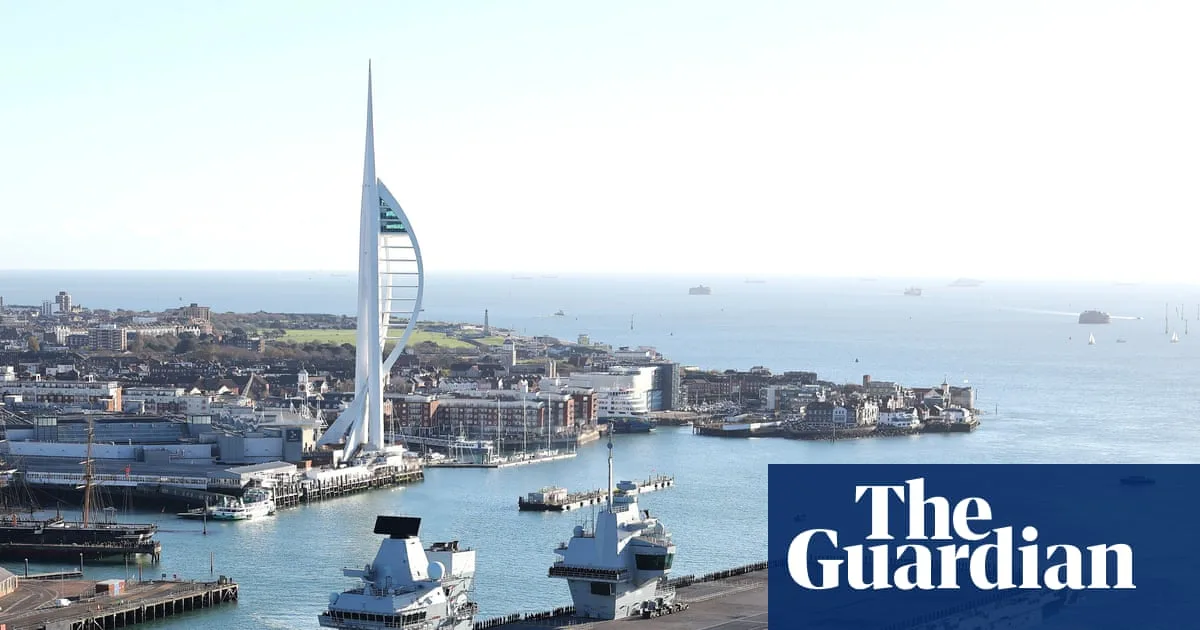
UK Preparing Aircraft Carrier for Potential Middle East Deployment
The United Kingdom is actively preparing its premier aircraft carrier, HMS Prince of Wales, for a possible deployment to the Middle East, according to an official statement from the Ministry of Defence. Royal Navy personnel stationed at Portsmouth are currently engaged in readiness procedures for the vessel, which serves as the navy's flagship. This preparatory work is designed to significantly reduce the time required to mobilise the carrier if a definitive decision is made to dispatch it to the volatile region.
Enhanced Readiness and Strategic Positioning
While no final decision has been confirmed regarding the deployment of HMS Prince of Wales, the Ministry of Defence has acknowledged that the carrier's 'notice to move' has been shortened from ten days to just five. This accelerated timeline indicates a heightened state of alert. Should the carrier be deployed, it would operate as part of a broader naval task force, requiring escort by additional vessels and a submarine for comprehensive protection. The carrier would join HMS Dragon, which is already being directed to the Middle East.
The regional crisis intensified following a series of US-Israeli airstrikes that resulted in the death of Iran's supreme leader, Ayatollah Ali Khamenei, alongside other senior Iranian officials. In response, the UK has been bolstering its military footprint in the area since January. The Royal Air Force has continued air operations over Jordan, Qatar, and Cyprus utilising Typhoon and F-35 jets to defend British interests. Furthermore, the United States has commenced using British bases for specific defensive operations, with several B-1 Lancer bombers arriving at RAF Fairford in Gloucestershire over the weekend.
Expanded Military Assets and Political Context
An MoD spokesperson detailed the ongoing reinforcements, stating, "We have been bolstering our UK military presence in the Middle East since January, and we have already deployed capabilities to protect British people and our allies in the region, including Typhoons, F-35 jets, air defence systems and an extra 400 personnel into Cyprus." The spokesperson added that since the onset of strikes, British jets have been actively intercepting drones, with additional assets like more Typhoons and Wildcat helicopters equipped with anti-drone missiles being sent to reinforce air defences.
The spokesperson emphasised, "HMS Prince of Wales has always been on very high readiness and we are increasing the preparedness of the carrier, reducing the time it would take to set sail for any deployment." The carrier remains poised for various planned missions, with its current focus on potential Middle East contingencies.
Politically, Prime Minister Keir Starmer has faced criticism from the Conservative opposition for what they perceive as a delayed response in deploying warships and aircraft to the region following actions by the US and Israel. In a recent announcement, the Prime Minister confirmed the UK would dispatch additional fighter jets to the Middle East. Complementing this, two more Wildcat helicopters arrived in Cyprus on Friday, enhancing drone interception capabilities, and a Merlin helicopter is being deployed to aid surveillance efforts.
Evacuation Efforts and Regional Impact
The escalating conflict, marked by US-Israeli airstrikes and subsequent retaliatory missile and drone strikes from Iran, has necessitated the evacuation of British nationals from the region. A second government-chartered flight landed at Gatwick Airport in the early hours of Saturday, bringing the total number of Britons repatriated from the United Arab Emirates to over 6,500 since the crisis began. The Foreign Office reports that more than 160,000 British nationals have registered their presence in the Middle East, highlighting the scale of the UK's citizen involvement in the area.
As tensions persist, the readiness of HMS Prince of Wales underscores the UK's strategic preparations to respond dynamically to developments in the Middle East, ensuring the protection of national interests and the safety of its citizens abroad.




