
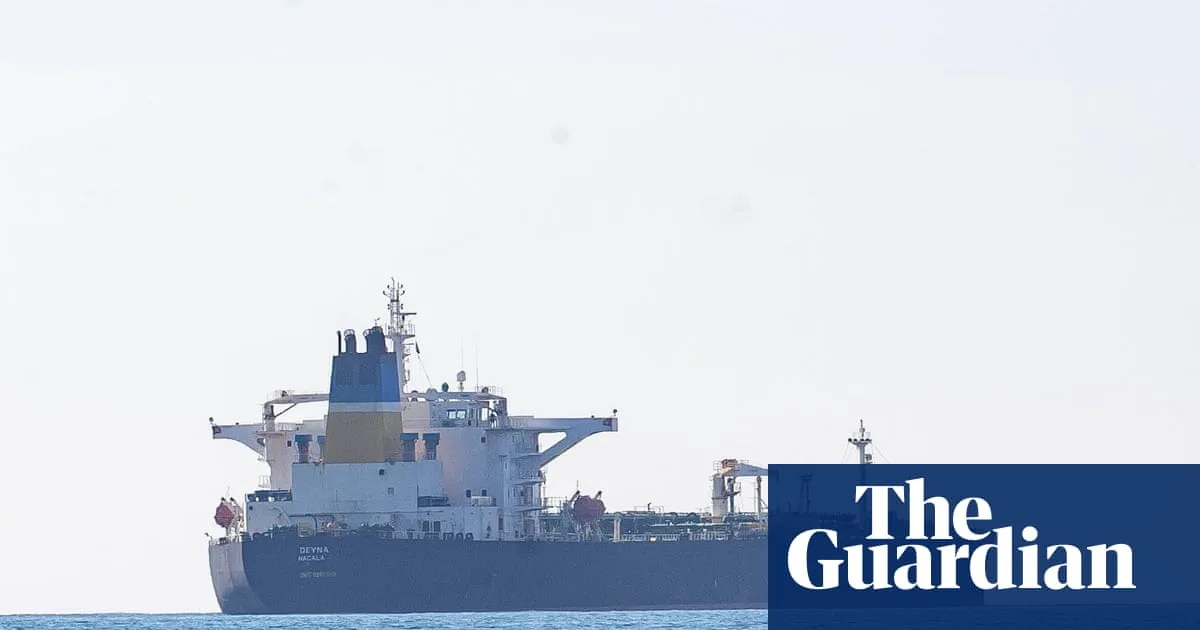
The UK government has authorised its armed forces to board Russian oil tankers in British waters as part of an intensified crackdown on Moscow's shadow fleet, which seeks to evade sanctions. Downing Street confirmed the move, marking a significant escalation in efforts to disrupt vessels that export Russian crude oil using false flags or opaque ownership structures.
Prime Minister Keir Starmer announced the measure ahead of the Joint Expeditionary Force (JEF) Summit in Helsinki, where maritime security and countermeasures against the shadow fleet will be discussed. The JEF, a UK-led alliance of ten Nato members, includes Finland, Sweden, and Estonia, which have already conducted operations against suspected shadow fleet vessels in the Baltic Sea.
The Royal Navy has previously assisted allies in such operations, including tracking a sanctioned Russian oil tanker in the Mediterranean that was later boarded by the French navy. Under the new authorisation, British forces or law enforcement can take direct action against vessels sanctioned by the UK, among the over 600 targeted by the EU, UK, and US.
Defence Secretary John Healey had earlier suggested using "military options" against sanctioned vessels, proposing that seized oil could be sold with proceeds sent to Ukraine. In January, 23 shadow fleet ships using false or fraudulent flags were detected in the Channel or Baltic Sea, many linked to Russian oil exports to China, India, and Turkey.
Russia has warned that such actions could provoke direct conflict. Senior official Nikolai Patrushev, a former FSB director, stated that Moscow might deploy its navy to protect Russian-linked vessels from what it calls "western piracy." Before any boarding, the situation will be assessed by law enforcement, military, and energy market specialists, with a recommendation to ministers. Seizures could lead to criminal proceedings against owners, operators, and crew for breaching UK sanctions legislation.




