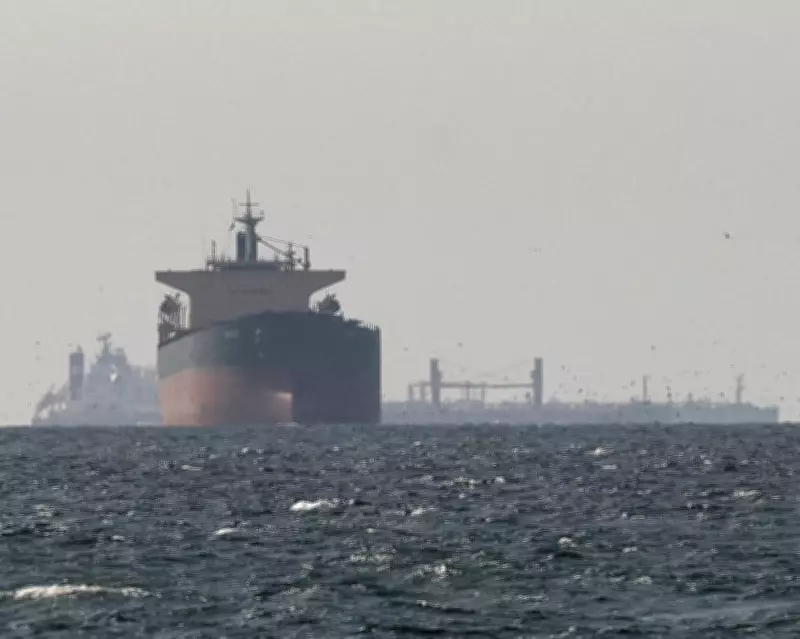
UK Weighs Minesweeping Drones for Hormuz as Oil Prices Skyrocket
In response to Iran's threat to target vessels in the Strait of Hormuz, a critical passage for 20% of global oil supplies, the UK government is actively developing strategies to deploy minesweeping drones. This move aims to facilitate the resumption of oil exports while avoiding a direct military escalation that could worsen the volatile Middle East conflict.
Diplomatic and Economic Pressures Mount
Prime Minister Keir Starmer is set to announce significant financial support, amounting to tens of millions of pounds, for British households grappling with soaring energy costs. At a Downing Street press conference, he will underscore the urgency of de-escalating the crisis, stating, "We will continue to work towards a swift resolution of the situation in the Middle East. Because there is no question that ending the war is the quickest way to reduce the cost of living."
Energy Secretary Ed Miliband emphasized the importance of reopening the strait, telling the BBC, "It is very important that we get the strait of Hormuz reopened ... There are different ways that we could contribute, including with mine-hunting drones." He added that all options are being evaluated in coordination with international allies.

Global Reactions and Strategic Considerations
Former US President Donald Trump has urged multiple nations, including the UK, China, France, Japan, and South Korea, to deploy ships to the region. However, UK officials express reluctance, fearing that sending naval vessels could exacerbate tensions, especially given the Royal Navy's depleted state. Instead, they are exploring aerial minesweepers and Octopus counter-drones, originally intended for Ukraine, as safer alternatives.
International responses vary: Japan's ruling party advises cautious judgment, while South Korea is assessing measures to protect its citizens and secure energy routes. The UK remains open to collaboration but prioritizes non-escalatory methods.
Defence Spending and Political Criticism
The government faces criticism from the Conservative opposition over defence expenditure. Internal Ministry of Defence figures reveal declines in funding for counter-drone systems and missile defence in recent years, alongside a reduction in mine-hunting ships from 16 to seven. Despite this, an MoD spokesperson highlighted increased overall defence spending and investments in new technologies like the Dragonfire laser.
As oil prices surge from approximately $65 to over $100 per barrel, economists warn of heightened inflation and slowed economic growth, underscoring the global stakes of the Hormuz standoff.