Communities Secretary Steve Reed has asserted that Iran is not believed to possess the capability or intent to target the United Kingdom with its missiles, following a recent attack on a joint UK-US airbase. This statement comes after Tehran launched two missiles at the Diego Garcia base in the Indian Ocean, marking one of Iran's longest-range assaults since conflicts with the US and Israel escalated.
Details of the Attack on Diego Garcia
According to reports, one of the missiles aimed at Diego Garcia failed to reach the island, while another was successfully intercepted and shot down by a US warship. The base is located over 2,000 miles from Iran, highlighting the extended reach of the attack. When questioned about the incident, Reed confirmed that one missile was intercepted and the other fell short, though he declined to specify how close it came to the base.
Response to Israeli Warnings
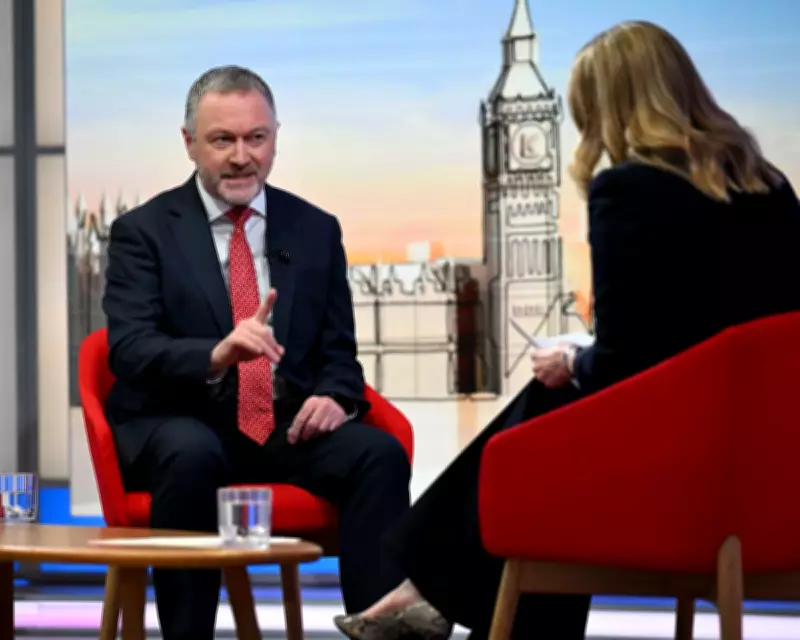
Reed made these remarks during an interview on BBC One's Sunday with Laura Kuenssberg, addressing Israeli warnings that Iranian missiles could potentially hit Europe, including the UK. He firmly stated, "There is no specific assessment that the Iranians are targeting the UK or [that they] even could if they wanted to." When pressed on why Israel issued such alerts, Reed redirected inquiries, saying, "You would need to speak to the Israelis."

UK's Stance on Military Involvement
Emphasising the UK's position, Reed declared that the country would not be drawn into the ongoing conflict. "Whatever people might say, the UK is not going to be dragged into this war, but we will take appropriate collective defensive action to keep our nationals and our interests safe," he explained. He further noted that even if Iran attempted to target Europe, the UK has sufficient military capabilities to defend itself.
Background on UK Policy and Actions
The UK government, led by Keir Starmer, previously refused US requests to utilise UK airbases for initial attacks on Iran in late February. This decision was partly based on legal advice suggesting such actions might breach international law. However, the government has since permitted the use of British bases for strikes against Iranian sites that threaten British allies and interests in Gulf states.
Recently, this authorisation was expanded to include attacks on missile launchers targeting commercial shipping in the Strait of Hormuz. Reed reiterated the UK's focus on de-escalation, stating, "If you take the decision, as any British government should, that we will defend British people and British assets across the region, and the Iranians start targeting different assets, then of course, we have to respond to that and defend them as well. That doesn't take away one iota from our interest and focus on de-escalation."
Reaction to US President's Comments
When asked about former US President Donald Trump's threat to destroy Iran's energy infrastructure if Tehran did not reopen the Strait of Hormuz within 48 hours, Reed declined to comment directly. He remarked, "The US president is perfectly capable of speaking for himself and defending what it is that he saying. Our position in the UK is absolutely clear as well. We're not going to be dragged into this war." Pressed further, he added, "You need to ask President Trump about the things that President Trump is talking about doing."
Overall, Reed's comments underscore the UK's cautious approach, balancing defensive measures with a commitment to avoid deeper military entanglement in the Middle East crisis.