The UK has invested £142 million in a fleet of underwater drones designed to clear deadly sea mines and strengthen its naval capabilities amid growing threats to global shipping routes.
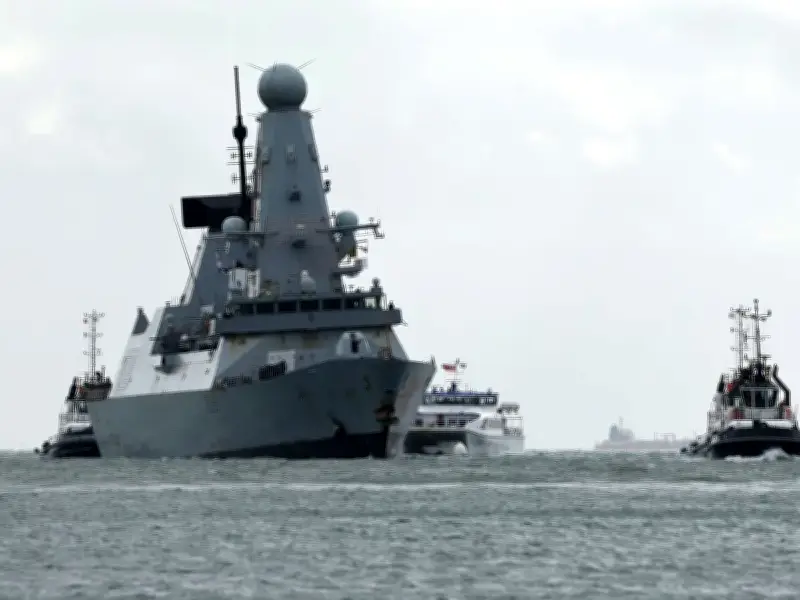
The new REMUS 620 unmanned submarines will be deployed primarily to keep sailors away from dangerous explosives at sea. The move is part of a broader modernisation of the Royal Navy into a hybrid force that can search remotely for hazardous bombs planted by adversaries.
Investment in unmanned vessels
The Navy is already receiving £90 million for offshore support vessels aimed at backing up Britain's warships. Protecting sea routes has become an increasingly hazardous mission for global militaries, as demonstrated by Iran's closing of the Strait of Hormuz.
The REMUS 620 drones, made by Huntington Ingalls Industries, will operate in dangerous areas, searching out sea mines after being deployed from warships or submarines. They can travel at up to eight knots, dive to depths of 600 yards, and operate for up to 110 hours on a single mission. The contract will support jobs in the UK, including in Portchester, Hampshire.
Protecting sailors and shipping routes
Defence Secretary Wes Streeting MP said: "This investment strengthens our ability to protect freedom of navigation, which is critical to our security and our economy."
"By using the biggest sustained increase in defence spending since the Cold War to put the latest technology in the hands of our sailors, we are taking them out of harm's way and giving them the tools to keep vital shipping routes open, keeping us all safe in a more dangerous world."
The additional uncrewed vessels follow a recent £90 million deal between the UK and Norway for three new mine-hunting motherships. The Royal Navy uses REMUS UUVs to find sea mines, survey the seabed, and locate wrecks. They use sonar to map large areas of water, allowing analysts to review data from a safe distance and keep sailors and divers out of minefields.
Future of naval warfare
The Royal Navy is setting its sights on a crewed and uncrewed future by 2030. As part of the Defence Investment Plan, the government is making the largest ever drone investment in defence, spending over £5 billion on autonomous systems to enable the transformation from crewed to both crewed and uncrewed vessels by 2030.
Duane Fotheringham, president of HII's Unmanned Systems group which is making the drones, said: "HII is proud that the Royal Navy has selected the REMUS UUV and Sea Launcher to support its critical mine countermeasures missions."
"This selection reflects the Royal Navy's confidence in our proven technology and our shared commitment to maritime security. We are honored to support the Royal Navy and to help keep sailors out of harm's way."