
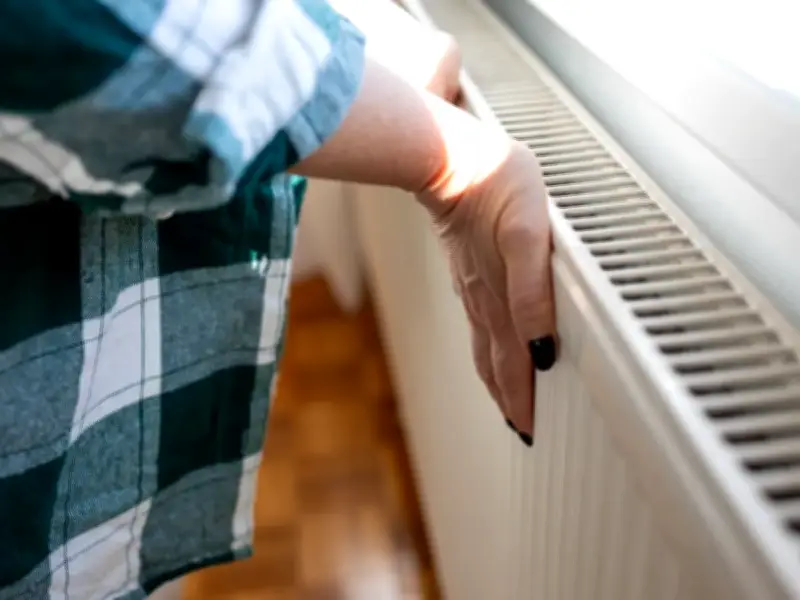
Balancing radiators can help rooms heat up faster and more evenly this winter, according to Plumbing Force, which recommends doing the task annually or as needed.
When radiators are not balanced, hot water naturally takes the path of least resistance, making radiators closest to the boiler very hot while distant or upstairs radiators stay lukewarm or cold. Balancing involves manually adjusting the flow of hot water through the system so every radiator heats up evenly.
How to balance radiators
The process requires a radiator bleeding key, a lock shield valve adjuster or adjustable spanner, a screwdriver, and a digital thermometer or multimeter with a thermometer function. It involves opening radiator valves, switching the heating off, adjusting the radiator's temperature, and measuring the temperature of the pipework.
Plumbing Force recommends balancing radiators on an annual basis, or as and when the need arises. The steps include turning off the heating, bleeding radiators, going through radiator valves, creating a basic map of radiators, turning the heating on and taking notes, turning it off and waiting until it is cold, turning the heating back on, adjusting the valves on the first radiator, checking the temperature of the radiator and pipes, and repeating until all radiators are done.
When to call a professional
If these DIY steps fail to solve the problem, it is likely a more serious underlying issue is present, making professional assistance essential. Plumbing Force warned: "Always call professional plumbers when in doubt. If there is uneven heating even after bleeding, signs of corrosion, or leaks in the pipework - do not attempt to do it by yourself."
"These are not DIY friendly. Contact your local plumbers from Plumbing Force for these extreme cases," the firm added.




