UK Government Maintains Britain Is Secure Against Iranian Missile Threats
Cabinet minister Steve Reed has firmly asserted that the United Kingdom remains safe from Iranian missiles, as the government downplays alarming claims from Israel regarding Tehran's long-range capabilities. This comes amidst heightened regional tensions, with Iran threatening to target energy infrastructure across the Middle East following a 48-hour ultimatum from former US President Donald Trump to reopen the Strait of Hormuz.
Israeli Warnings and Accusations of Exaggeration
Israel issued a stark alert that Iranian missiles now pose a direct threat to European cities, including London, Paris, and Berlin. This warning followed an incident where two ballistic missiles were fired toward the UK-US Diego Garcia military base in the Chagos Islands, though both were intercepted or failed. However, critics have accused Israel of exaggerating the threat to garner support for its ongoing war with Iran, which began with surprise strikes last month aimed at toppling the regime.
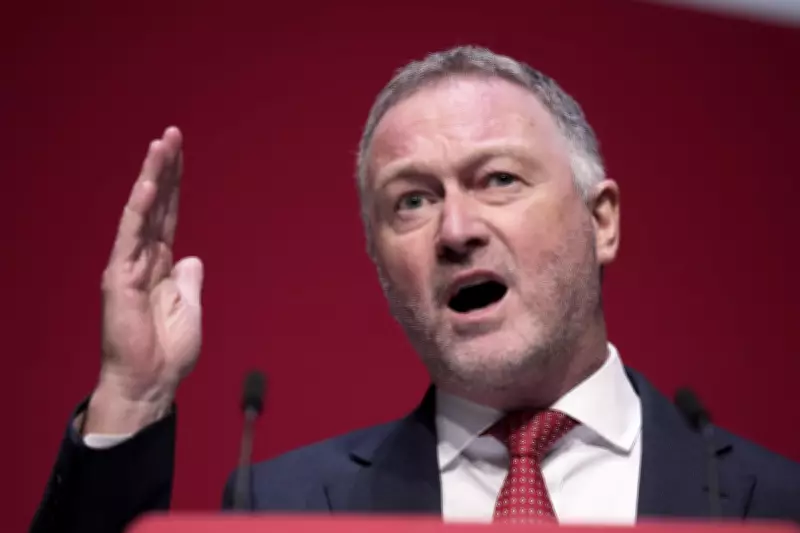
Housing Secretary Steve Reed, appearing on Sky News's Sunday Morning With Trevor Phillips, stated: "We have systems and defences in place that keep the United Kingdom safe, and that will continue to happen." He declined to specify how close the missiles came to Diego Garcia but emphasised that the interception demonstrated effective defensive measures. When questioned on Times Radio about reports of Iran targeting Europe, Reed responded: "No. There's no assessment that I'm aware of that says either that the Iranians would target Europe, or even that they could if they wanted to."

Escalating Tensions in the Middle East
The situation intensified as Iran vowed to destroy energy targets after Trump's ultimatum, warning that failure to reopen the Strait of Hormuz within 48 hours would lead the US to "obliterate" Iranian power plants. Iran retaliated by asserting the waterway is open to all except "Iran’s enemies" and threatening to shut it completely if US threats were executed. Concurrently, Iranian missiles struck towns in Southern Israel, injuring civilians and prompting Israeli military strikes on Tehran in response.
Israeli Prime Minister Benjamin Netanyahu reinforced his nation's stance, claiming Iran has the capacity to reach "deep into Europe" and referencing the Diego Garcia incident as evidence. He told reporters: "They fired an intercontinental ballistic missile on Diego Garcia – that's 4,000 kilometres. I've been warning all the time. They have now the capacity to reach deep into Europe."
Expert Skepticism and Vulnerability Concerns
Despite these warnings, former top civil servant Lord McDonald criticised the claims, noting: "Frankly, there's no evidence that they have missiles of this capability apart from an Israeli source. And the Israeli agenda is to get Europe more concerned, more involved, more supportive of what they're doing." He acknowledged, however, that the UK could be vulnerable due to a lack of comprehensive missile defence systems. Former foreign secretary James Cleverly also cautioned against spreading alarm, highlighting Iran's proficiency in disinformation.
The Israel Defence Forces (IDF) stated this was Tehran's first long-range missile launch since the war began, indicating a new threat range of approximately 4,000km that could endanger European cities. Diego Garcia is about 3,800km from Iran, while the UK is roughly 4,435km away, raising questions about potential reach.
Political and Strategic Implications
Reed refused to disclose missile proximity details, arguing it would aid Iran, and avoided endorsing Trump's deadline, deferring to US leadership. Trump's threat coincided with US military movements to the region, despite recent talk of de-escalation. In response, Iran's Parliament Speaker Mohammad Baqer Qalibaf warned of "irreversibly destroyed" Middle Eastern infrastructure if power plants are attacked, and the Revolutionary Guards threatened permanent closure of the Strait of Hormuz, a critical global oil transit route.
As debates over Iran's capabilities continue, the UK government stresses its defensive readiness while navigating complex international dynamics and accusations of threat inflation in a volatile geopolitical landscape.