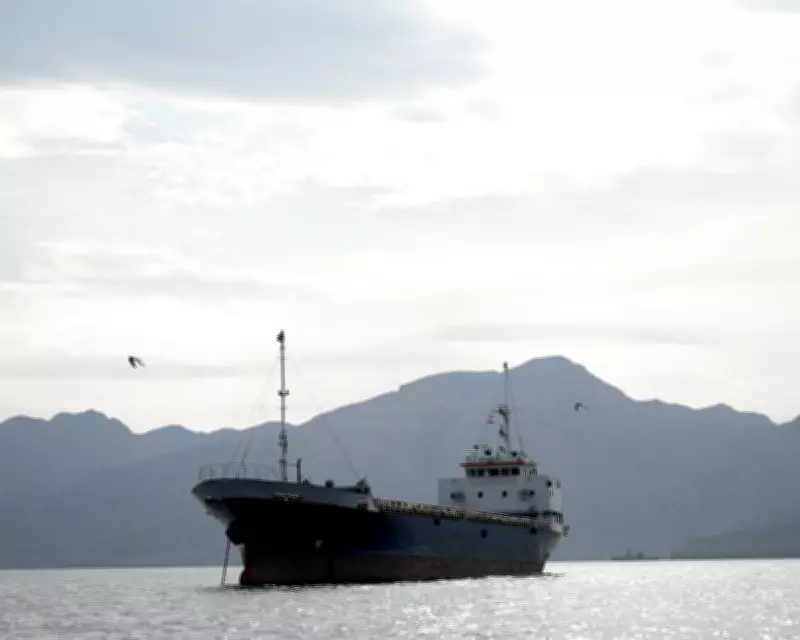
UK and France Co-Host Summit on Strait of Hormuz Security
In a significant diplomatic move, the United Kingdom and France have jointly hosted a high-level summit focused on the security of the Strait of Hormuz. This strategic waterway, a critical chokepoint for global oil shipments, has been a focal point of international tensions in recent years. The summit brought together key stakeholders to discuss collaborative measures aimed at ensuring safe passage and stability in the region.
Depleted British Fleet Limits Operational Role
The summit occurs against a backdrop where the British Royal Navy faces operational constraints due to a depleted fleet. Over the past decade, reductions in naval assets have limited the UK's ability to project power independently in such volatile areas. As a result, the UK's role in the Strait of Hormuz is increasingly reliant on partnerships and multilateral efforts, with France emerging as a crucial ally in this endeavour.
Experts highlight that the British fleet's limitations underscore broader challenges in defence policy, including budget cuts and aging vessels. This has prompted calls for increased investment in maritime capabilities to maintain global influence. The summit serves as a platform for the UK to leverage diplomatic channels to compensate for these military shortcomings, emphasizing cooperation over unilateral action.

Focus on Collaborative Security Measures
During the summit, discussions centred on enhancing maritime security through joint patrols, intelligence sharing, and diplomatic engagement with regional powers. The UK and France proposed initiatives to de-escalate tensions and protect commercial shipping lanes from threats such as piracy and geopolitical conflicts. These efforts are seen as vital for safeguarding global energy supplies and economic stability.
Participants also addressed the need for a coordinated response to emerging challenges, including cyber threats and environmental risks in the strait. The summit concluded with a commitment to ongoing dialogue and the establishment of a working group to monitor developments and implement agreed-upon strategies.
Implications for UK Defence and Diplomacy
The event highlights a shift in the UK's approach to international security, where diplomatic summits are becoming increasingly important in the face of military constraints. By partnering with France, the UK aims to bolster its presence in the Strait of Hormuz without overextending its naval resources. This strategy reflects a pragmatic adaptation to current defence realities while maintaining a role in global security affairs.
Looking ahead, the success of such summits will depend on sustained collaboration and resource allocation. As the UK navigates post-Brexit foreign policy, events like this underscore the importance of strong alliances in addressing complex maritime issues. The outcomes of this summit are expected to influence future defence planning and international relations in the region.