UK Forces Granted Authority to Storm Russian Shadow Fleet Vessels in British Waters
British military and law enforcement personnel have been given the green light to seize Russian oil tankers operating as part of the so-called shadow fleet within United Kingdom waters. This decisive move aims to disrupt Vladimir Putin's efforts to exploit global crises, such as the conflict in Iran, to fuel his ongoing war machine in Ukraine.
Prime Minister's Directive to Target Sanctions Evasion
Prime Minister Keir Starmer has officially authorised the storming and detention of these vessels, which are attempting to evade Western sanctions designed to cut off financial resources flowing into the Kremlin's coffers. In a firm statement, Starmer emphasised that his primary duty is to safeguard British interests and national security amidst an increasingly volatile international landscape.
The Prime Minister declared: "Putin is rubbing his hands at the war in the Middle East because he thinks higher oil prices will let him line his pockets. That's why we're going after his shadow fleet even harder, not just keeping Britain safe but starving Putin's war machine of the dirty profits that fund his barbaric campaign in Ukraine."

Recent Operations and International Collaboration
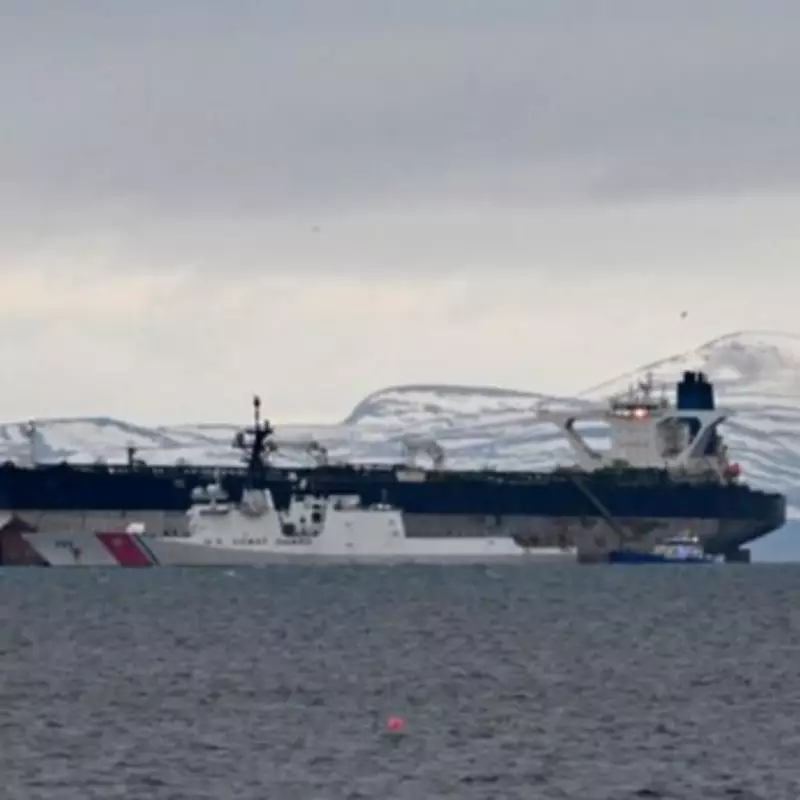
This authorisation builds upon recent collaborative efforts with allied nations. In January, British forces assisted the United States in a dramatic raid on the Marinera tanker, previously known as the Bella-1, south of Iceland. This vessel had been accused of violating oil sanctions in Venezuela. Additionally, the UK recently supported the French navy in seizing an oil tanker in the Mediterranean. However, until now, British commandoes lacked explicit permission to board such vessels independently within UK jurisdiction.
The Scale and Threat of Russia's Shadow Fleet
The Russian shadow fleet is estimated to comprise over 1,000 ageing tankers that illegally transport oil and other goods, funnelling substantial cash to support Putin's military operations. Approximately 75% of Russia's crude oil is moved by this fleet, with around 544 vessels already under sanctions by the UK and its allies. Beyond sanctions evasion, these decrepit ships have been implicated in sabotaging undersea cables that carry critical telecommunications data and energy supplies, including electricity, oil, and gas.
The National Security Strategy Committee warned last year that attacks on this infrastructure could lead to "catastrophic disruption" to financial and communications systems globally.
Strategic Implications and Enforcement Measures
By blocking access to UK waters, including the vital English Channel, authorities will force shadow fleet vessels to take longer and more costly alternative routes, or risk detention by British forces. Military and law enforcement specialists have been engaging in intensive war-game scenarios in recent weeks, preparing for various challenging situations. These exercises include boarding vessels that refuse to surrender, are armed, or employ high-tech surveillance tactics to evade capture.
Once a ship is successfully detained, criminal proceedings may be initiated against the owners, operators, and crew members involved in these illicit activities.
International Diplomacy and Future Steps
Prime Minister Starmer is scheduled to travel to Helsinki for a key summit with Nordic and Baltic allies as part of the Joint Expeditionary Force. Discussions will focus on strategies to counter an increasingly aggressive Russia and enhance collective security measures. This move underscores the UK's commitment to ramping up pressure on Moscow's shadow operations, reinforcing sovereignty, and standing in solidarity with Ukraine for as long as necessary.