UK Considers Minehunter Drones as Trump Urges Naval Action in Hormuz
UK Eyes Minehunter Drones Amid Iran Oil Blockade Crisis

UK Military Chiefs Weigh Minehunter Drones in Response to Iran's Strait of Hormuz Blockade

British military leaders are actively considering the use of minehunting drones to address Iran's blockade of the Strait of Hormuz, a critical global oil shipping channel. This development comes as former US President Donald Trump has issued a public appeal for the United Kingdom and other nations to deploy naval vessels to help secure the region.

Trump's Call for Allied Naval Support

On Saturday, Donald Trump took to his Truth Social platform to urge affected countries, including China, France, Japan, South Korea, and the UK, to send ships to the Strait of Hormuz. He stated, "Hopefully China, France, Japan, South Korea, the UK, and others, that are affected by this artificial constraint will send ships to the area so that the Hormuz Strait will no longer be a threat by a nation that has been totally decapitated."

Trump further warned, "In the meantime, the United States will be bombing the hell out of the shoreline and continually shooting Iranian boats and ships out of the water. One way or the other, we will soon get the Hormuz Strait OPEN, SAFE, and FREE!"

Iran's Blockade and Global Impact

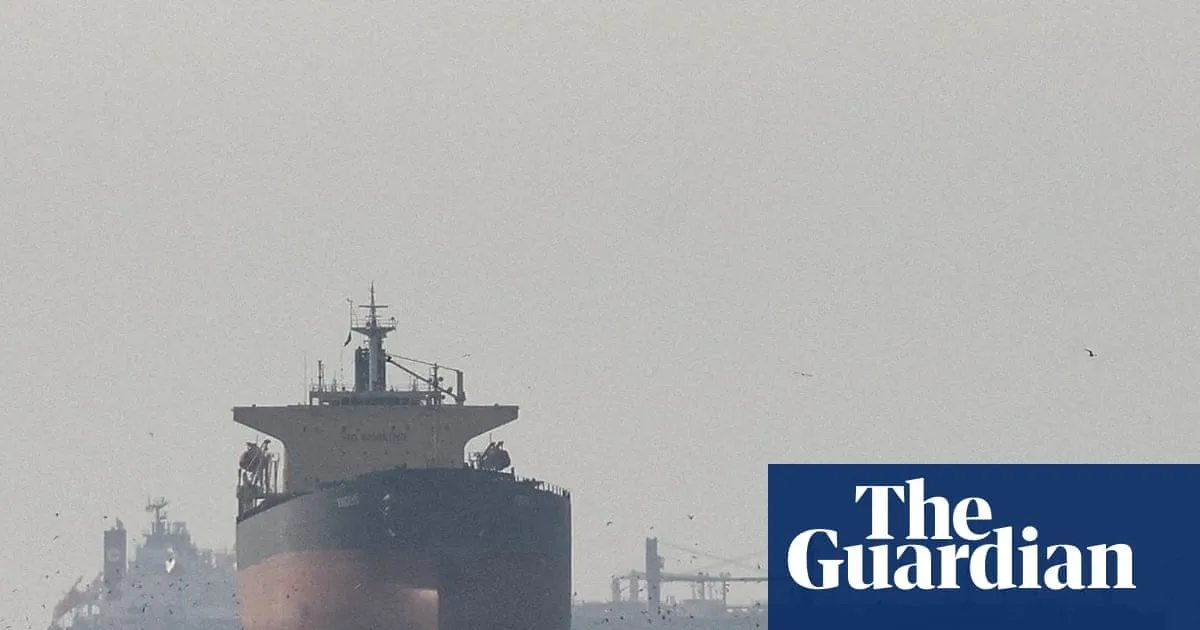
Tehran has imposed a blockade on the narrow sea passage out of the Persian Gulf, severely restricting the flow of oil from the Middle East. This action has driven up energy prices worldwide, with the Strait of Hormuz typically facilitating the transit of approximately 20% of the world's oil daily. Numerous oil tankers have reportedly come under fire while attempting to navigate the strait since the conflict began.

In his first public statement this week, Iran's new supreme leader, Mojtaba Khamenei, vowed to maintain the blockade as a means of pressuring the United States. In response, Trump has threatened to "wipe out" Kharg Island, a crucial component of Iran's oil infrastructure, if Tehran does not reopen the strait. The US has already conducted strikes described by Trump as "one of the most powerful bombing raids in the history of the Middle East," targeting military installations on the island.

UK's Strategic Considerations

The Ministry of Defence has confirmed that "a range of options" are under review to ensure the security of shipping through the Strait of Hormuz. Among these options is the potential deployment of minehunting drones to counter the threat of sea mines, which Iran is suspected of placing in the strait to disrupt maritime traffic.

According to reports, these drones could be operated by the Royal Navy's Mine and Threat Exploitation Group, currently stationed in the Middle East. However, details regarding the number of drones available for deployment and their specific capabilities remain unclear.

Additionally, there are discussions about utilizing interceptor drones, originally manufactured in the UK for Ukraine's use against Russia, to defend against Iran's aerial Shahed drones. This option is understood to be at a preliminary stage of evaluation.

Broader Implications and Related Developments

The crisis in the Middle East has triggered a series of wider consequences. In London, the Metropolitan Police is preparing for a challenging public order situation on Sunday, with an Al Quds Day demonstration expected to draw crowds of around 12,000 people. Authorities have deployed at least 1,000 officers to manage the event.

Economically, fruit and vegetable producers have warned that rising energy and transportation costs linked to the conflict may force them to halt production prematurely, potentially ending the season early. Furthermore, Chancellor Rachel Reeves has indicated that the government may consider financial assistance for households relying on heating oil, which is not covered by the existing energy price cap.

As tensions escalate, the international community watches closely, with the UK's potential deployment of minehunter drones representing a key technological and strategic response to the unfolding crisis in one of the world's most vital maritime corridors.




