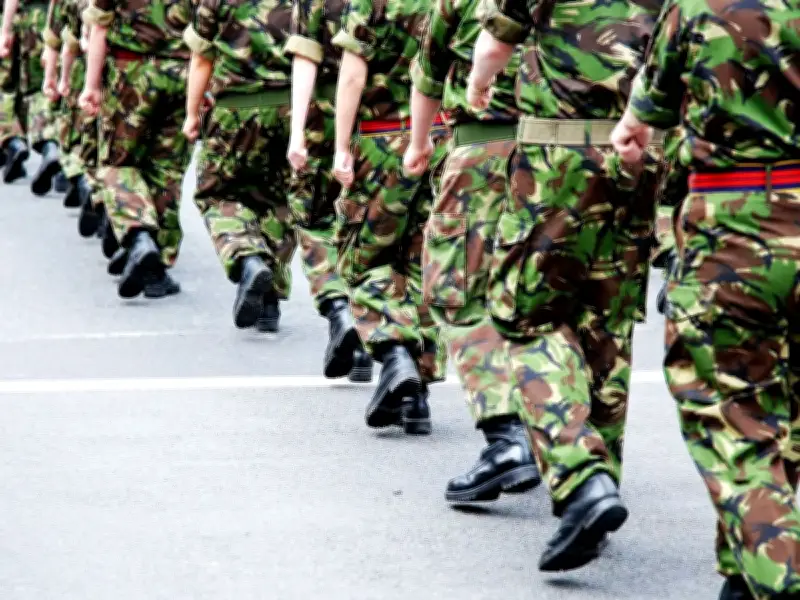
Men up to the age of 65 could face conscription should a third world war break out. Earlier this year, the age range for men eligible for recruitment to the Army Reserves was widened from 55 to 65.
Reservists to Be Mobilised First
It is understood that reservists would be mobilised initially, which means those born between 1961 and 1971 might receive call-up papers. During the Second World War, conscription started for men aged 20 to 22 in 1939, around six months before hostilities actually commenced.
The UK Parliament website states: "During the spring of 1939, the deteriorating international situation forced the British Government under Neville Chamberlain to consider preparations for a possible war against Nazi Germany."
Historical Conscription Precedents
Plans for limited conscription for single men aged between 20 and 22 were given parliamentary approval under the Military Training Act in May 1939. This required men to undertake six months' military training, and some 240,000 registered for service.
Though once conflict was formally declared, the age bracket was expanded to encompass men between 18 and 41. By 1942, the age limit had increased yet again, with men up to 60 being summoned to serve. By the end of 1941, women and all childless widows aged 20 to 30 faced conscription, while men up to 51 were called for military duty.
Lord Dannatt's Contingency Plan
Even those aged 52 to 60 were required to undertake "some form of military service." Retired army chief Lord Dannatt has outlined a specific approach to recruiting people to protect the nation, suggesting that a contingency plan is already in existence.
He contends that Britain would first look to army reservists, former service personnel who could be recalled to duty, and younger adults if a major conflict forced the Government's hand, before widening the net to the general public. While compulsory military service is not presently on the table, this stance could shift should tensions across the globe continue to rise and eventually reach breaking point.
Lord Dannatt said: "I would expect to see the Army Reserve mobilised first, then Regular Reservists recalled to active service, and then His Majesty's Government would need to consider conscription, starting with 18-24-year-olds."
Britain would not necessarily begin by compelling civilians with no military experience to join the armed forces. "Reservists and former service personnel would provide an initial pool of people with military training, although recalling them at scale would present substantial logistical challenges."