UK Military Bases Authorised for Strikes on Iranian Targets in Hormuz
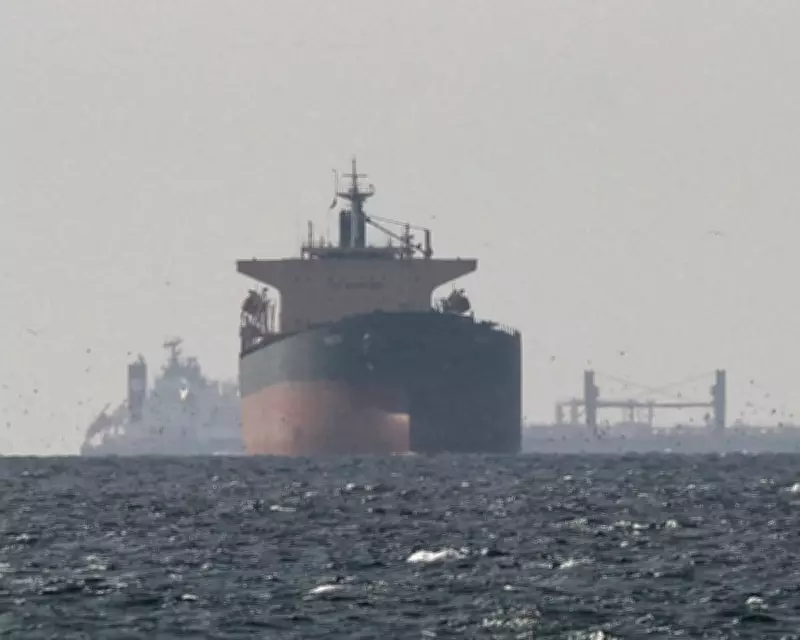
The United Kingdom has officially sanctioned the use of its military installations to launch strikes against Iranian missile launchers that are targeting commercial cargo vessels in the strategically vital Strait of Hormuz. This marks a significant escalation in the UK's involvement in the ongoing Middle East conflict, as previously, British bases were only utilised for operations against Iranian sites threatening British allies and interests within Gulf states.
Cabinet Despair Over Economic Fallout from Trump's Iran War
Amidst this military development, there is growing anger and despair among senior UK government ministers. They are deeply concerned that the war initiated by former US President Donald Trump could severely jeopardise Britain's already fragile financial situation. Trump recently labelled NATO allies, including the UK, as "cowards" for their reluctance to assist in reopening the Strait of Hormuz, claiming it would involve minimal risk.
Experts are warning of dire economic consequences, including higher energy prices and increased mortgage and borrowing costs. The Treasury has established an "Iran board" comprising ministers and officials to evaluate worst-case scenarios. Contingency plans are being drafted, with options ranging from targeted support for vulnerable households to a universal bailout for energy bills, though this is considered a last resort if global prices remain elevated.

Global Energy Shock and Domestic Political Pressure
The conflict threatens to trigger a global energy shock, with forecasts indicating household energy bills could surge by £330 annually, reaching nearly £2,000 starting this summer. This comes at a critical juncture for Prime Minister Keir Starmer and Chancellor Rachel Reeves, who had hoped to highlight economic improvements ahead of May's local elections. However, rising government borrowing costs and potential interest rate hikes to 4.5% are compounding the pressure.
In response to oil supply shortages from the Strait of Hormuz closure, the International Energy Agency (IEA) has advised nations to adopt measures such as reducing car usage and promoting public transport to enhance resilience. Fatih Birol, IEA director, described the situation as "the greatest global energy security threat in history." The UK government is considering contingency actions like lowering speed limits to minimise fuel consumption, though officials stress there is currently no fuel shortage in the country.
Internal Government Tensions and Policy Debates
Within the government, there is palpable frustration. One cabinet source expressed "deep gloom" that emerging economic green shoots at the start of the year have been derailed by Trump's decision to bomb Iran. Chancellor Reeves is reportedly frustrated by the potential reduction in her carefully planned economic headroom, estimated at £7bn-£8bn.
Discussions are ongoing about loosening fiscal rules to allow more borrowing, with some Labour backbenchers advocating for radical tax reforms. Culture Secretary Lisa Nandy has raised the idea of easing borrowing restrictions, while Downing Street sources emphasise the need for targeted support to avoid resentment over universal aid. Paul Nowak of the Trades Union Congress urged that working people should not bear the brunt of "Trumpflation," calling for further government action to protect households and businesses.
As the conflict continues, Whitehall officials indicate that within about two weeks, it will become clearer whether de-escalation can avert the need for extensive energy bill support. The government remains prepared to adapt its strategies based on market impacts and the war's progression, with all options still under consideration to mitigate the economic fallout from this international crisis.