
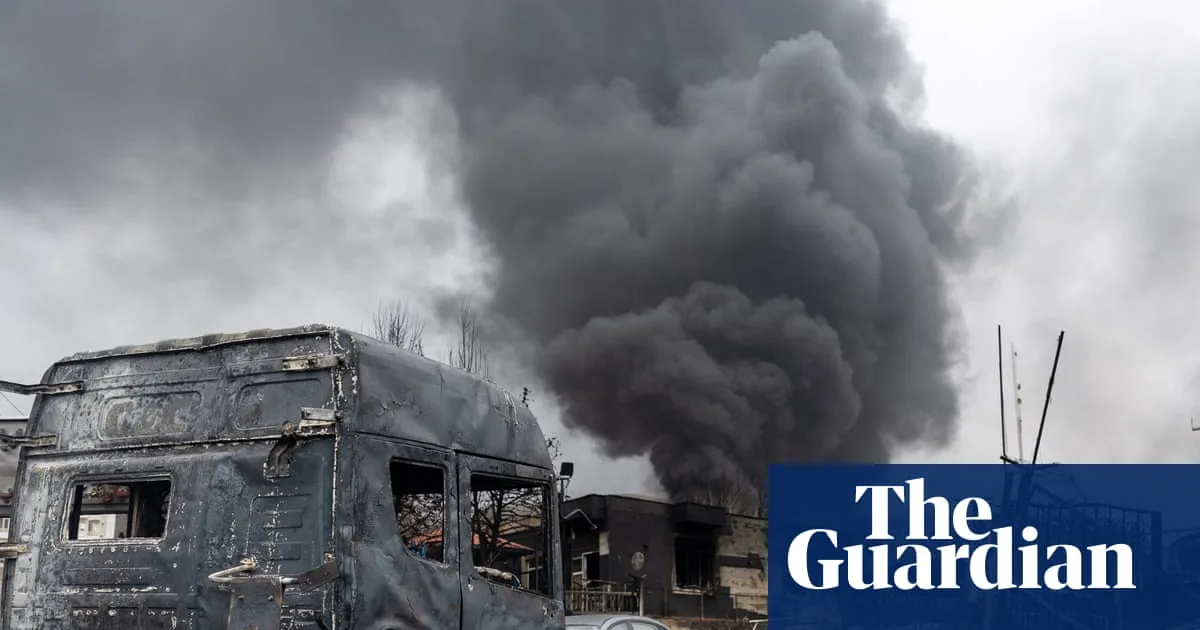
Experts have warned that the US-Israeli military campaign against Iran is falling into an 'escalation trap', with the conflict becoming more costly and complex than initially anticipated. Despite tactical successes in the opening strikes, which killed Iran's supreme leader Ali Khamenei and other key figures, the strategic aims remain unclear and unachieved.
Iran's counter-strategy, described as 'horizontal escalation', aims to widen the conflict geographically and economically. By targeting Gulf states and shipping in the Strait of Hormuz, Tehran seeks to drive a wedge between Washington and its regional allies, raising the global economic cost of the war.
Robert Pape, a US historian and air power expert, said the campaign is at the second stage of an escalation trap, on the cusp of a third stage where riskier options are contemplated. He noted that the Trump administration has an 'illusion of control' based on the accuracy of its weapons, but this has not translated into strategic success.
Iran's strikes are designed to force Gulf publics to question why they are paying the price for a war driven by Israeli policies, according to Pape. Meanwhile, Israel has signalled further escalation, with Defence Minister Israel Katz ordering preparations for expanded operations in Lebanon.
Robert Malley, a former US envoy to Iran, suggested that the conflict's trajectory will be defined less by strategy than by President Trump's psychology. He warned of potential escalations including ground troops, attacks on infrastructure, or terrorist strikes on soft targets, which could trigger unpredictable reactions.




