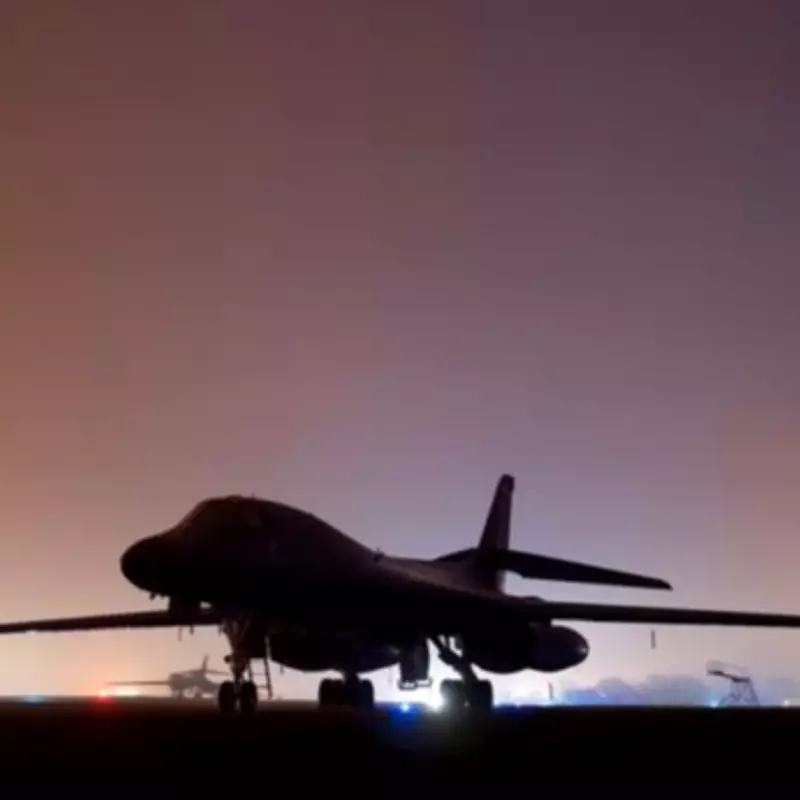
Trump's Iran War Bill Hits £150bn as Petrol Prices Soar, Taxpayers Fume
Donald Trump's military campaign in Iran is poised to impose an additional £150 billion burden on American taxpayers, according to exclusive reports, as Defence Secretary Pete Hegseth urgently requests more funding from Congress. This staggering sum emerges amid plummeting public support for the conflict and a sharp spike in petrol prices, which is exacerbating economic strain across the United States.
Mounting Economic Toll and Public Unease
A senior administration source revealed growing concerns about the escalating costs, stating, "There is real unease among Americans about how much this war is costing and what it is doing to their everyday lives. Gas prices are rising sharply, and the wider cost of living is being pushed up at a time when people were promised the opposite." The source added that Trump had pledged to avoid new wars and reduce prices, but instead, costs have skyrocketed, creating significant political backlash.
The Pentagon's funding plea comes as Trump contemplates deploying thousands more troops to the Middle East, signalling a potential new phase in the conflict. This move aims to secure the Strait of Hormuz, a critical oil passageway, amid ongoing bombings and military operations.

Funding Request and Political Hurdles
The request for £150 billion follows a study showing that America spent approximately £2.9 billion in the first 100 hours of Operation Epic Fury, escalating to £8.7 billion within the first week alone. Sources indicate the Pentagon has already urged the White House to seek congressional approval, but passage is uncertain due to anticipated resistance from lawmakers who were not consulted on the war.
Democrats largely oppose the war effort, and Republican Senator Rand Paul typically votes against military funding, raising doubts about securing the 60 votes needed to avoid a filibuster. A Pentagon spokesperson declined to comment on the matter, highlighting the sensitivity of the situation.
Military Strategies and Risks
As the conflict enters its third week, discussions include deploying ground forces to secure key locations such as Iran's Kharg Island, which handles 90% of the country's oil exports. Military experts note that controlling the island might be preferable to destroying it, but any troop deployment carries high political and operational risks. Additionally, plans involve securing Iran's stocks of highly enriched uranium, a complex and dangerous task even for elite units.
A White House official, speaking anonymously, clarified, "There has been no decision to send ground troops at this time, but President Trump wisely keeps all options at his disposal." The official emphasised Trump's objectives: destroying Iran's ballistic missile capacity, annihilating its navy, curbing terrorist proxies, and preventing nuclear weapon development.
Ongoing Operations and Broader Impacts
US forces have conducted over 7,800 strikes since the war began on February 28, damaging or destroying more than 120 Iranian vessels, according to US Central Command. These attacks target Iran's navy, missile stockpiles, and defence industry, with roughly 50,000 American troops currently in the region.
The economic repercussions extend beyond military costs, with petrol prices surging and fears of global energy price hikes intensifying. Public support remains low, contradicting Trump's earlier promises to avoid new Middle East conflicts. As the war's financial and political toll deepens, taxpayers are left grappling with the consequences of a conflict that shows no signs of abating.