
Nato leaders are gathering in Ankara on Tuesday for a pivotal summit, with the 31 other member states hoping to placate an unpredictable Donald Trump as the US continues to press for increased defence spending. The meeting comes after a turbulent six months that have strained transatlantic relations, including disputes over Greenland, Iran, and internal spats with key allies.
Mark Rutte, Nato’s secretary general, has urged allies to present “clear, concrete and credible plans” to meet the organisation’s spending targets. “President Trump fully expects that all allies will step up immediately and get on the path to 5% and do it with urgency,” he said. To demonstrate progress, Nato members are set to unveil tens of billions in new arms contracts at an industry forum on the sidelines of the summit.
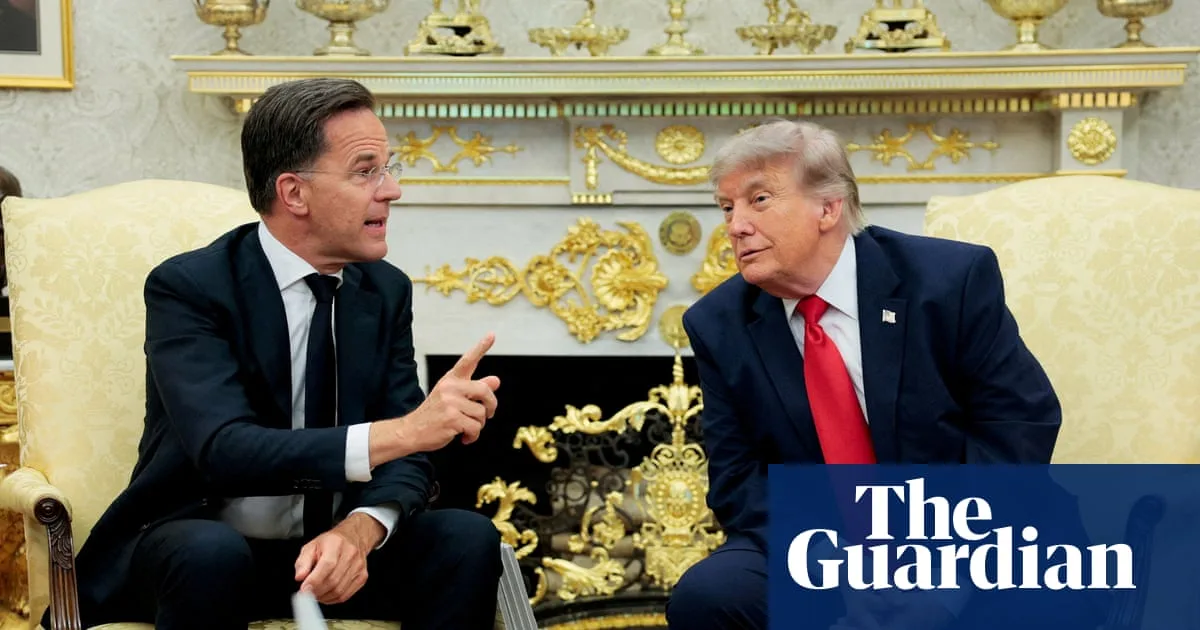
The two-day summit is expected to agree on a largely symbolic €70bn (£60bn) in military aid for Ukraine over the next two years, though this largely reflects existing commitments. This falls short of last year’s headline agreement, when European members and Canada pledged to lift defence spending to 5% of GDP—3.5% directly and 1.5% on infrastructure to facilitate troop movements. Rutte recently met Trump in the Oval Office, bringing cardboard panels illustrating the “Trump trillion”—the cumulative defence spending by non-US members since 2017—to show that Trump’s pressure has yielded results.
However, tensions remain high. Trump posted a graphic on Truth Social comparing the US defence budget of $999bn with smaller figures from European states, calling the disparity “ridiculous”. The US president has also strained relations by threatening to take control of Greenland from Nato member Denmark, failing to consult allies before the US-Israeli attack on Iran, and picking spats with Britain’s Keir Starmer and Italy’s Giorgia Meloni. The US is also planning to reduce its troop and aircraft presence in Europe by a third, with a further review threatening cuts to countries spending the least.
Trump is expected to bring 1,400 people to the summit, including staff responsible for returning his toilet waste to the US—a standard security measure. Despite his previous flirtations with leaving Nato, the large US delegation is seen as a relief. Behind the scenes, there has been a concerted effort to Trump-proof the summit’s outcome, with the final communique expected to be short and tightly worded.




