
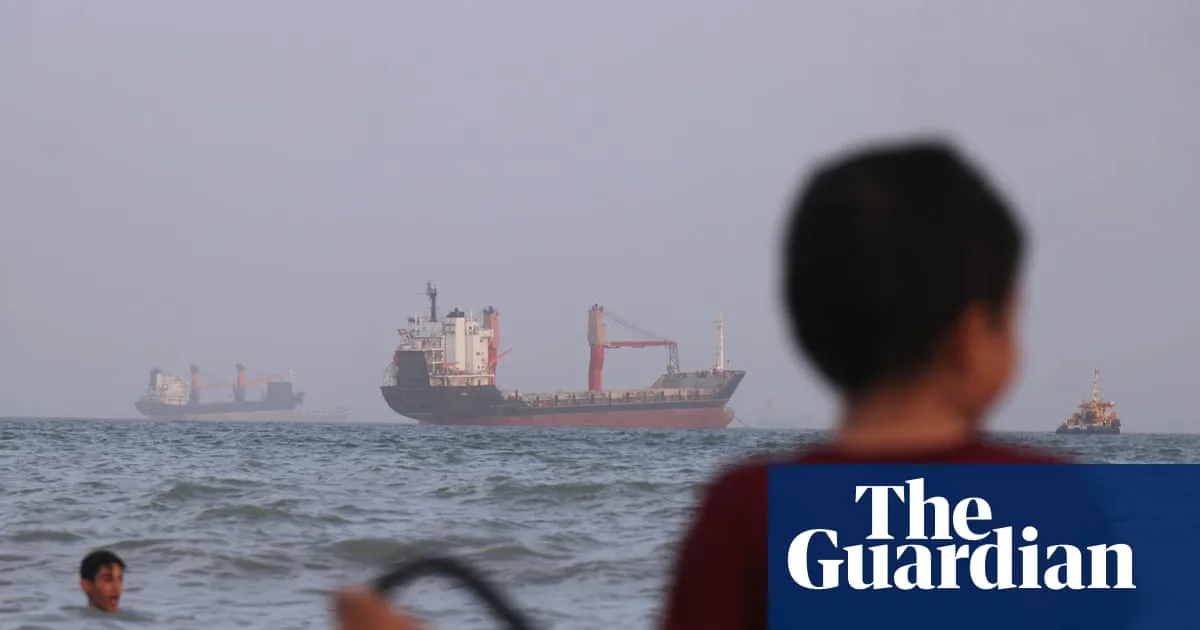
The United States has initiated a military operation, dubbed 'Project Freedom', to reopen the Strait of Hormuz after Iran imposed a blockade, trapping hundreds of ships in the Gulf. The operation, announced by President Donald Trump on Sunday, began on Monday and has significantly escalated tensions in a region already on edge following a month-long ceasefire.
Admiral Brad Cooper, head of US Central Command, said US forces destroyed six Iranian small boats and intercepted cruise missiles and drones. He warned Iranian forces to stay clear of US assets, which include guided-missile destroyers, over 100 aircraft, and 15,000 troops. Iran denied these claims and asserted that no US-flagged merchant vessels had successfully transited the strait. However, shipping company Maersk later confirmed that the US-flagged vehicle carrier Alliance Fairfax had exited the Gulf with US military assistance.
President Trump downplayed the situation, stating Iran had 'taken some shots' but caused no damage beyond a South Korean cargo vessel. However, in a separate interview, he threatened that Iran would be 'blown off the face of the Earth' if it attacked US vessels. Iran's military central command had warned it would fire on any US naval vessel approaching the strait and claimed to have hit a US frigate with two missiles.
The standoff has heightened fears of a full-scale war. On Sunday, a tanker reported being hit by 'unknown projectiles', and the United Arab Emirates confirmed an Iranian drone attack on an oil tanker off Oman, with no casualties. The UAE defence ministry said it intercepted three missiles from Iran over its waters.
An estimated 850 ships with around 20,000 sailors remain trapped in the Gulf since the US and Israel launched their attack on Iran in late February. The US operation does not involve military escorts but aims to coordinate commercial shipping along a southern route through Omani waters. Shipping executives reacted cautiously, with Richard Hext of the Hong Kong Shipowners Association warning that Iran might view unapproved transits as a ceasefire violation.
International response has been guarded. French President Emmanuel Macron called for a coordinated reopening of the strait by the US and Iran, stating Europe would not participate in any military operation within a framework that seemed unilateral.




