
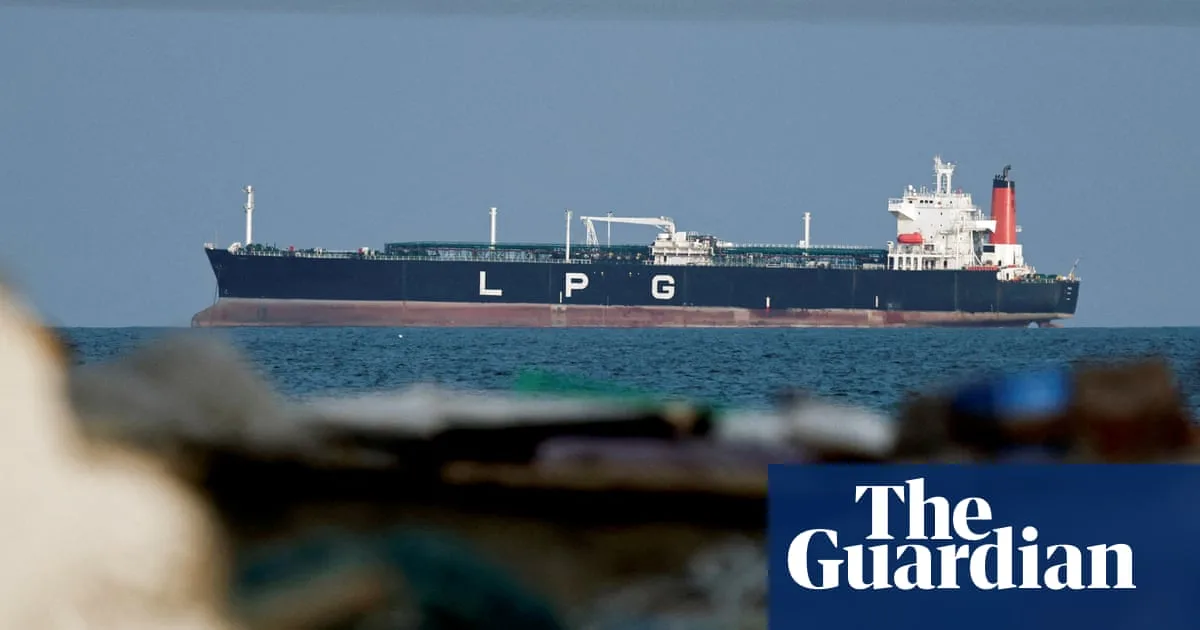
US President Donald Trump has called on the UK, Japan, China, South Korea, France and other nations to deploy warships to the Strait of Hormuz to secure the vital shipping route, which he claims is being blockaded by Iran. However, the international response has been cautious, with countries expressing reluctance to commit military assets.
In a post on his Truth Social platform, Trump alleged that many countries affected by Iran's actions would send warships in conjunction with the US to keep the strait open. He later extended the call to all nations receiving oil through the waterway. The effective closure of the strait by Tehran, in retaliation for US and Israeli airstrikes, has caused major disruptions to global energy and trade flows.
The UK Ministry of Defence said it was in discussions with allies over options to ensure shipping security. Downing Street confirmed that Prime Minister Keir Starmer and Trump discussed the importance of reopening the strait. Energy Secretary Ed Miliband told the BBC that the UK was considering sending mine-hunting drones and exploring all options to reopen the route.
Japan's senior politician Takayuki Kobayashi said sending warships was not ruled out legally but the threshold was very high. South Korea stated it would monitor the situation and review measures to protect energy transport routes. France, however, ruled out sending warships while the conflict escalates, with Defence Minister Catherine Vautrin stating a purely defensive position and no plans to move the Charles de Gaulle aircraft carrier.
Tehran has warned that oil tankers heading to the US, Israel or allies are legitimate targets and will be destroyed. Sixteen tankers have been attacked since late February, and Iran has threatened to lay mines. The US has yet to send its own navy ships to escort tankers through the strait.




