Thai Army Records 22% Increase in Volunteer Enlistments This Year
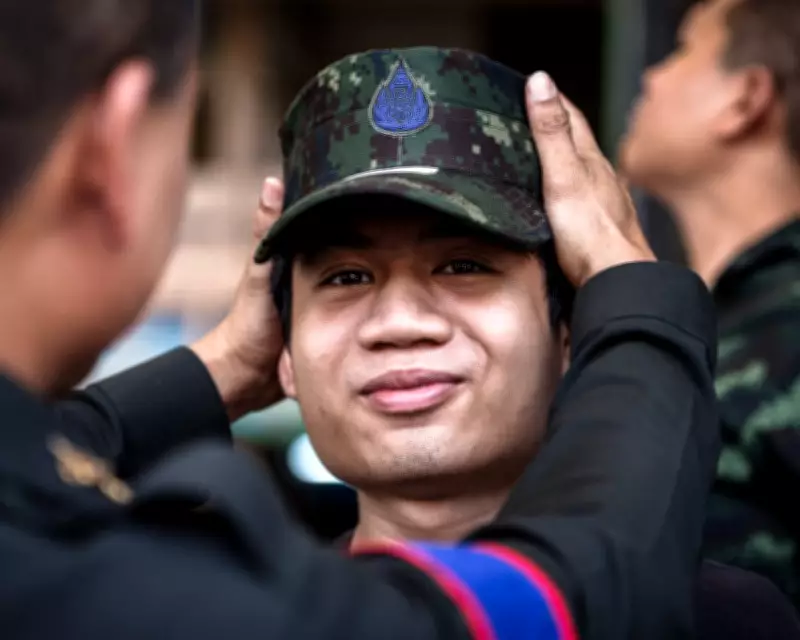
The Royal Thai Army has reported a significant rise in volunteer enlistments, with nearly 50,000 men signing up this year. This marks a 22% increase compared to 2025, continuing a five-year upward trend in Thailand. In contrast, countries like Japan are facing challenges in recruiting military personnel, highlighting a unique shift in regional dynamics.
Social Media Campaigns and Changing Recruitment Tactics
In a departure from traditional methods, the Thai military has embraced online memes and a more casual tone to attract young men. Recent posts on social media platforms have included humorous messages, such as "Bored of your wife? This April, come and enlist in the military," aiming to engage a younger audience. While the effectiveness of this campaign is not fully quantified, it coincides with the notable surge in volunteer numbers.
Analysts suggest that multiple factors may be driving this increase. Rising nationalism, fueled by recent border conflicts with Cambodia, could be a key motivator. Additionally, Thailand's struggling economy has limited job opportunities for young people, making military service a more appealing option for some.

Pragmatic Reasons Behind Volunteer Decisions
For many Thai men, volunteering offers practical advantages over conscription. Those who do not volunteer are entered into a lottery, where drawing a red card means mandatory service of one to two years, depending on education. Volunteers, however, can serve shorter terms, with university-educated individuals committing to just six months. They also have the ability to choose their training camp and timing, providing greater flexibility.
Krisana Phoolong, a 23-year-old recent graduate, explained his decision to volunteer: "As a volunteer I can pick the camp and the time, and check for the place closest to my home." He preferred this over risking a longer, less predictable conscription through the lottery. Economic considerations also play a role, as conscripts receive a monthly salary of about 11,000 baht (US$340), along with food and accommodation, offering financial stability in a tough job market.
Border Conflicts and Political Implications
The border dispute with Cambodia, which escalated in July and December of last year, has strengthened the military's role in Thai politics and foreign policy. Pavin Chachavalpongpun, an associate professor at Kyoto University, noted that this conflict may have temporarily overshadowed calls for conscription reform. "With the current government in place, with the popularity of the military seeming to go up following the war with Cambodia, I think the issue of conscription might just be buried for the time being," he said.
Despite this, it is unlikely that the conflict has completely reversed the attitudes of young people, who previously protested in 2020 demanding military non-interference in politics. The opposition People's Party campaigned on scrapping the compulsory draft, but reform efforts have stalled amid ongoing tensions.
Cultural and Social Factors Influencing Enlistment
Video clips of the annual conscription lottery, showing dramatic reactions to drawing black cards for exemption, often go viral on social media, highlighting the anxiety surrounding military service. In one recent incident, a man was reportedly turned away due to a high BMI after excessive bubble tea consumption, underscoring the personal lengths some go to avoid conscription.
Krisana, who will begin training next month, advocates for a voluntary system with incentives like welfare benefits. "I understand that for some people who did the draft and got [a red card] but who have a family to take care of, or a job, it's very hard," he said, emphasizing the need for a more supportive approach to military service in Thailand.