Sweden has distributed an updated version of its "If Crisis or War Comes" pamphlet to every household, urging residents to prepare for potential emergencies such as armed conflict, terrorism, cyber attacks, and disinformation campaigns.
The 32-page brochure, issued on behalf of the Swedish government, states: "We live in uncertain times. Armed conflicts are currently being waged in our corner of the world. Terrorism, cyber attacks, and disinformation campaigns are being used to undermine and influence us." It adds: "If Sweden is attacked, everyone must do their part to defend Sweden's independence – and our democracy."
Preparing for one week of self-sufficiency
The guide instructs households to manage independently for at least one week, including situations where electricity, water supplies, communications, or access to shops are disrupted. It covers seven key areas: water, heating, communication, food, cash, toilet and hygiene arrangements, and other essential supplies.
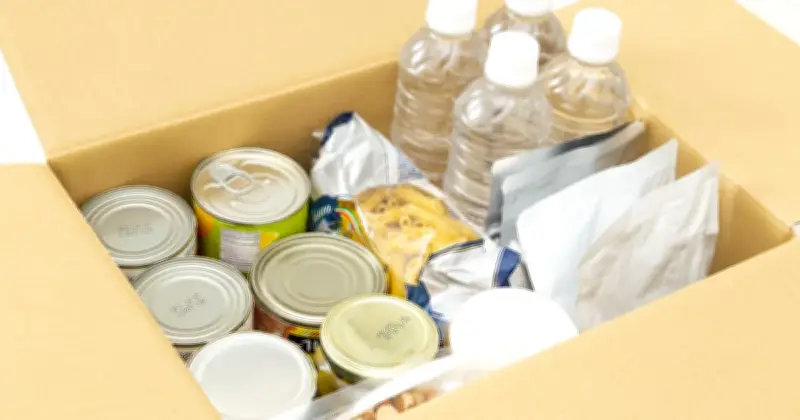
For water, each person is advised to store at least three litres per day, kept in clean containers in a cool, dark place. The guide also suggests freezing bottles of water, noting: "The bottles can be used as ice packs if the electricity cuts out. When the ice has melted, you can drink the water. Don't fill the bottles all the way to the top – they may crack when frozen."
Staying warm and staying in touch
Residents are advised to keep warm clothing such as all-weather outdoor wear and wool garments, blankets, sleeping bags, candles, and alternative heating equipment. The guide adds: "Your home's indoor temperature will drop quickly if the electricity cuts out during winter. Gather in one room, drape blankets over the windows, and cover the floor with rugs." Alternative heat sources that do not require electricity, such as gas or paraffin heaters, are recommended, with precautions to open a window and switch off heat sources before sleeping.
For communication, households should keep a battery-powered or hand-cranked radio, spare batteries, a charged power bank, and important telephone numbers written on paper.
Food, cash, and hygiene supplies
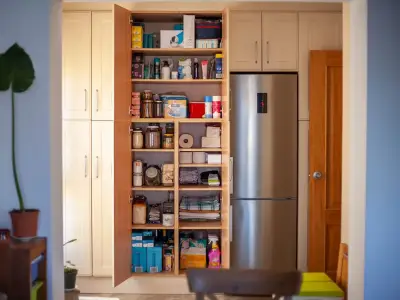
The brochure advises gradually building up emergency food supplies during regular shopping trips. Suggested provisions include pasta, rice, tinned vegetables, dried foods, beans, lentils, nuts, cooking oil, and ready-to-eat meals. Families with young children are advised to keep baby food and infant formula.
Households are also told to keep enough physical cash to cover at least one week of expenses, preferably in different denominations, alongside alternative payment methods. For toilet arrangements, recommended supplies include toilet paper, wet wipes, hand sanitiser, rubbish bags, buckets with lids, and materials such as sawdust for waste disposal.
The final category covers other essentials: a first-aid kit, household medicines, a torch, a tin opener, camping stove, fuel, and spare batteries. People who depend on prescription medication or disposable medical supplies are instructed to maintain an adequate emergency reserve.