
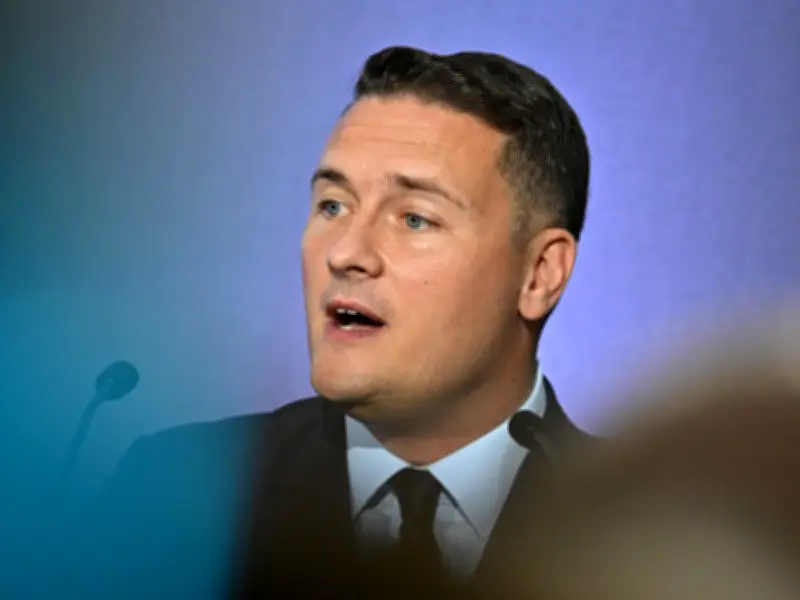
Wes Streeting has said he would not have accepted the Defence Secretary role if Andy Burnham had not convinced him that investment was forthcoming. Mr Streeting noted the advantage of having his predecessor, John Healey, now leading the Treasury, as Mr Healey must find billions in his first Budget to fund the government's defence plans.
Speaking to Sky News, Mr Streeting stated: "If I didn't have confidence that this Prime Minister and this Chancellor would be investing in our defence sufficiently to protect our country, to protect our allies, and to meet our international commitments, then no, I wouldn't have taken the job." He added that discussions with the Prime Minister before he took office assured him of the commitment to defence and security.
Healey's Shift to Treasury
New Chancellor John Healey dramatically quit Keir Starmer's government in June, accusing the then-Prime Minister and former Chancellor Rachel Reeves of not allocating enough cash for national defence. The government faces pressure to increase defence spending to 3% of national income, but has yet to outline a timetable.
Mr Healey told The Sun that defence would be his first priority, saying: "I have argued for many years – and Andy Burnham has said the same – that the first duty of any government is to keep the country safe and protect our citizens." The UK's defence budget is currently expected to reach 2.7% of GDP by 2029, but Mr Healey voiced frustration when resigning that no timetable existed for hitting 3%. Keir Starmer previously pledged to NATO a rise to 3.5% by 2035.
Spending Plans and Budget Demands
Mr Streeting's official spokesman said: "We will honour our commitments on defence to our international partners, and as I say, we’ll set out more on defence in due course." The spokesman added that the appointment of John Healey as chancellor signals the Prime Minister's intent. In his first Budget, Mr Healey must find an extra £4.7 billion to fund the government's Defence Investment Plan, published on June 30, requiring savings or tax increases over the summer.




