
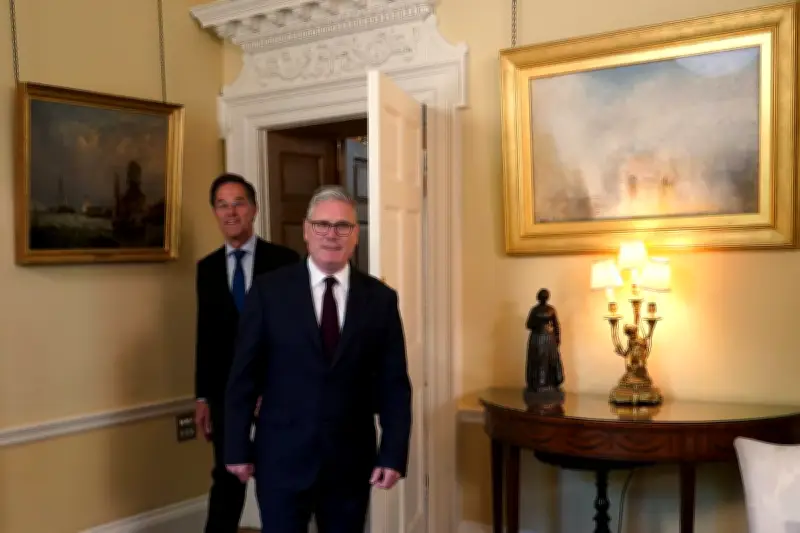
Prime Minister Sir Keir Starmer has confirmed that the long-delayed defence investment plan (Dip) will be published on Tuesday, describing it as a 'game-changing' initiative that will keep Britain 'safe and secure long into the future'. The plan, originally due last year, has been held back due to internal government disputes over funding levels.
Funding and Focus on Drones
The Ministry of Defence (MoD) announced that the Dip will prioritise ramping up the UK's use of drones and autonomous weapons, backed by a £5 billion investment. New Defence Secretary Dan Jarvis secured additional funding, bringing the total settlement to approximately £14.5 billion — up from the £13.5 billion offered to former defence secretary John Healey, who resigned in protest. However, this falls short of the £28 billion that officials previously stated was necessary.
Speaking ahead of the launch, Starmer said: 'This game-changing investment will strengthen our armed forces on land, at sea and in the air, ensuring our servicemen and women have the cutting-edge capabilities they need to deter evolving threats and keep the British people safe.' He added that the plan would 'back British innovation, British industry and British jobs'.
Political Reactions and Criticism
Shadow defence secretary James Cartlidge criticised the plan as 'too little, too late', noting it was barely more than the amount Healey resigned over. He stated: 'This plan is not worth the paper it’s written on – Keir Starmer is Prime Minister in name only.' Liberal Democrat leader Sir Ed Davey called the plan 'late and underfunded', describing it as 'unforgivable' and a 'political choice that makes us all less safe'.
Former defence secretary John Healey had warned that the Dip would likely fall short of Britain's commitments to NATO, which has tasked member states with raising core defence spending to 3.5% of national economic output by 2035.
Shift in Military Strategy
The MoD has already indicated a pivot towards drone warfare, announcing that a fleet of new destroyer warships will no longer appear in the Dip. Instead, they will be replaced by 'hybrid' vessels designed to act as command hubs for drones. This shift reflects lessons from conflicts in Ukraine and the Middle East, where drones have played a decisive role. In Ukraine, around 200,000 drones are now used each month, while at the height of Iran's conflict with the US and Israel, approximately 700 drones were launched daily.
Defence Secretary Dan Jarvis stated: 'The character of warfare is rapidly changing. In Ukraine and the Middle East, uncrewed systems are defining conflicts. This largest ever UK investment into these evolving technologies will help our armed forces stay ahead of our adversaries.'
Legacy and Future Implications
The Dip has become a legacy issue for Starmer, with his likely successor Andy Burnham suggesting he may revisit the plan. In a speech on Monday, Burnham proposed favouring British-based defence companies in future military contracts, saying: 'We will make sure that all eligible public contracts are subject to proper social value weighting.'




