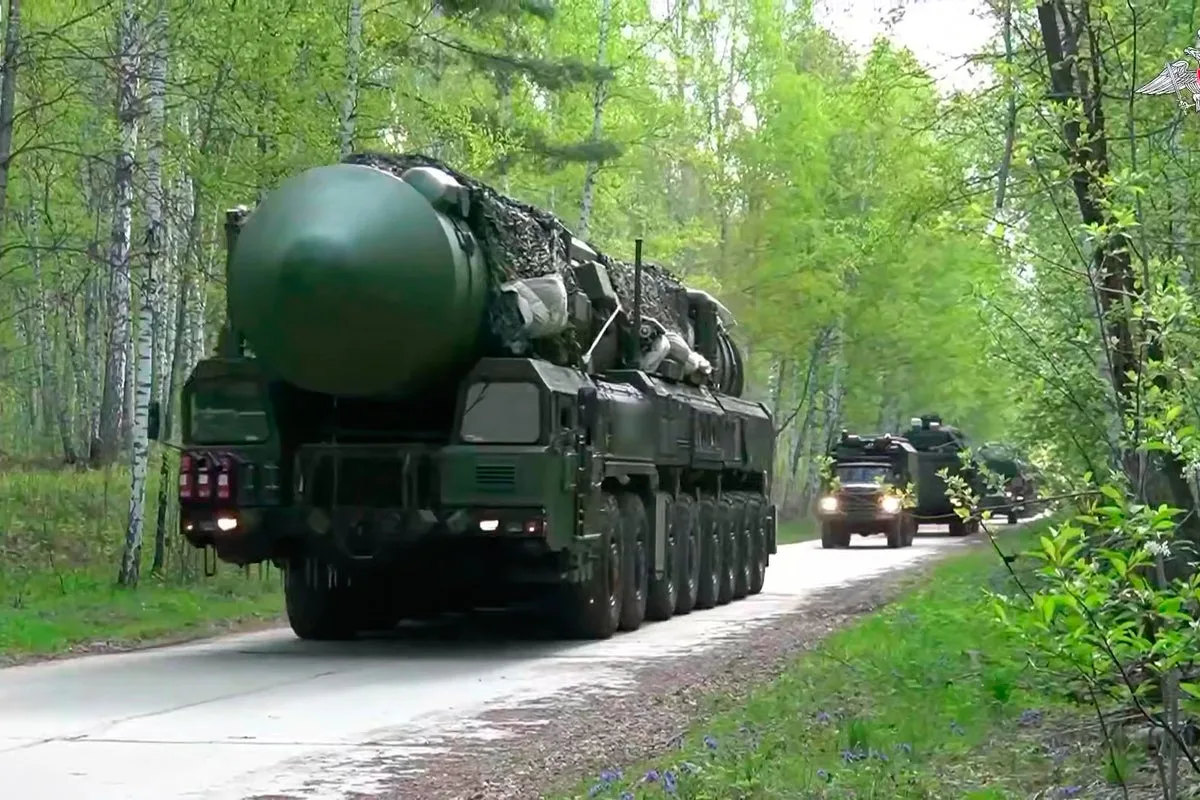
Russia Issues Stark Nuclear Warning to NATO Over Hypersonic Capabilities
Russia's Nuclear Warning to NATO Over Hypersonic Weapons

A senior Russian political figure has delivered a stark warning to the NATO alliance, declaring that Western capitals remain virtually defenceless against Moscow's advanced hypersonic weapons systems. The chilling statement represents a significant escalation in rhetoric from Russian officials amid the ongoing conflict in Ukraine.

Escalating Rhetoric Amid Regional Strikes

The threatening remarks emerged shortly after Russian forces conducted missile strikes targeting Ukraine's Lviv region, an area situated close to the Polish border. This geographical proximity to NATO territory has amplified concerns about potential miscalculation and broader regional escalation.

Technological Superiority Claims

The Russian politician specifically highlighted Moscow's development and deployment of next-generation hypersonic missiles, weapons capable of travelling at speeds exceeding Mach 5 while maintaining manoeuvrability. These systems, according to the official, render existing Western missile defence architectures obsolete.

The explicit warning suggested that Russian forces possess the capability to strike NATO capital cities "whenever" they choose, though no specific timeline or immediate intention was declared. Military analysts note this represents a deliberate strategy of nuclear signalling, designed to deter deeper Western involvement in supporting Ukraine.

NATO's Strategic Dilemma

The statement places NATO leadership in a complex position. Alliance officials must balance robust support for Ukraine with avoiding direct confrontation that could trigger Article 5 collective defence commitments. The hypersonic threat introduces new variables into traditional deterrence calculations.

Defence experts point to several concerning implications:

  • Reduced warning time for potential attacks against European capitals
  • Challenges for existing missile defence systems like Aegis Ashore
  • Potential erosion of NATO's conventional deterrence posture
  • Increased pressure on nuclear planning and readiness levels

Broader Geopolitical Context

This latest threat occurs within a deteriorating security environment across Eastern Europe. Russian military doctrine has increasingly emphasised the potential use of tactical nuclear weapons in regional conflicts, while NATO has been strengthening its eastern flank with additional battlegroups and air defence assets.

The timing of the statement appears calculated to test Western resolve as Ukraine continues to request more advanced weaponry from NATO members. It also coincides with ongoing debates within European capitals about appropriate levels of military support and escalation management.

Security analysts warn that such public nuclear threats, while not unprecedented, create dangerous precedents in great power relations. The explicit naming of NATO capitals as potential targets represents a qualitative shift in Russian strategic messaging since the invasion began.

International Response and Monitoring

Western intelligence agencies are closely monitoring Russian nuclear forces for any signs of unusual activity or heightened readiness. NATO's Nuclear Planning Group maintains continuous assessment of the strategic landscape, while diplomatic channels remain open for crisis communication.

The coming weeks will likely see intensified NATO consultations about enhancing continental air and missile defences, particularly around critical infrastructure and political centres. The alliance faces the dual challenge of demonstrating resolve without escalating rhetoric further.

This development underscores the increasingly volatile nature of European security, where technological advancements in weaponry intersect with deteriorating diplomatic relations. The hypersonic dimension adds particular urgency to defence planning discussions scheduled for upcoming NATO summits.




