Russia's Military Recruitment Strategy: Why Troop Shortages Are Unlikely
Russia's Military Recruitment: Why Troop Shortages Are Unlikely

Russia's Military Recruitment Strategy: Why Troop Shortages Are Unlikely

Vladimir Putin has made a concerted effort to re-engineer the relationship between the army, the state, and Russian society since the 2000s. This strategic overhaul is crucial in understanding why Russia is unlikely to run out of soldiers anytime soon, despite ongoing conflicts and high casualty rates.

The Current Conflict and Recruitment Plans

Russia has launched a spring offensive in Ukraine, targeting heavily defended cities in the eastern Donetsk region. Simultaneously, a wave of nearly 1,000 drones and missiles has struck civilian, energy, and transport infrastructure across Ukraine. This dual strategy aims to overwhelm Ukrainian defences both on the front lines and through infrastructure destruction.

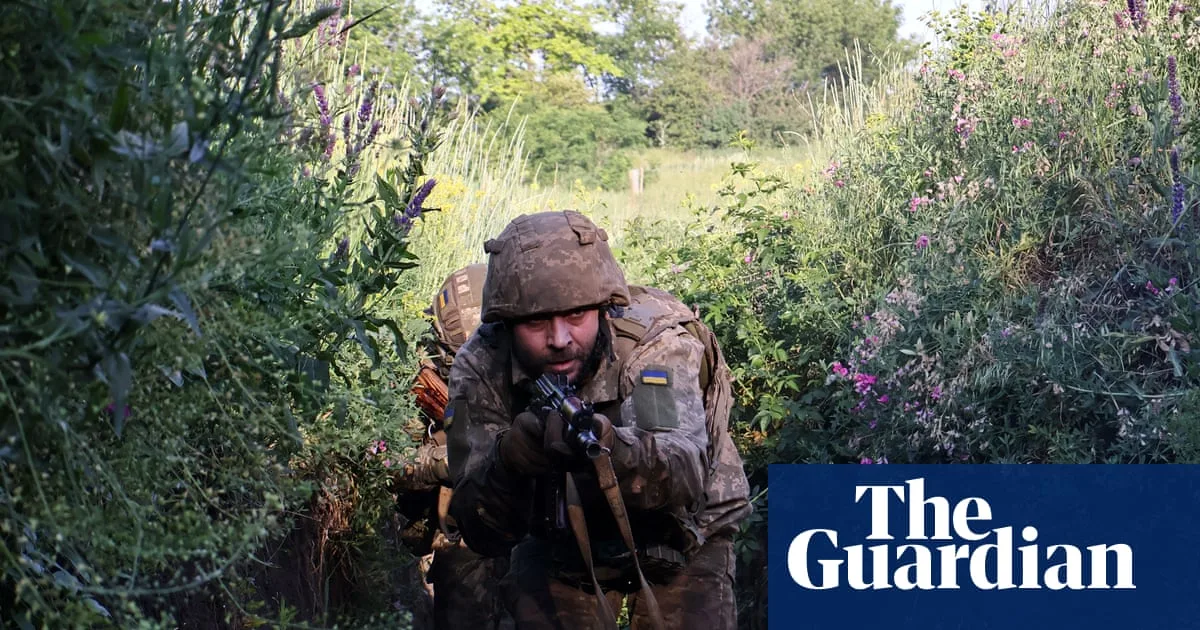
Ukraine's tactical prowess has resulted in more Russian troops being killed or wounded than are being recruited each month. However, reports from Ukraine's military commander Oleksandr Syrskyi indicate that the Kremlin plans to add over 400,000 new recruits in 2026. This suggests Russia intends to continue its "meat grinder" strategy, relying on sheer numerical advantage to pressure Ukrainian forces.

Wide Pickt banner — collaborative shopping lists app for Telegram, phone mockup with grocery list

Historical Context and Western Perceptions

The notion that Russia might face recruitment difficulties stems from historical precedents. During the Soviet-Afghan War in the 1980s and the first Russian-Chechen War in the 1990s, soldiers' mothers organisations highlighted poor service conditions, hazing, corruption, and inadequate state support for veterans and fallen soldiers' families. These issues eroded the military's image, leading to recruitment and retention problems.

Western reporting on the current war often focuses on draft avoidance, low morale, discipline issues, and poor veteran treatment. The enlistment of prisoners and troops from allies like North Korea and Serbia has also drawn significant media attention. Events like Evgeny Prigozhin's attempted mutiny in 2023 have reinforced perceptions of potential military collapse.

Rebuilding Military Citizenship

Putin has been determined to prevent a repeat of past societal-military breakdowns. Since the 2000s, significant reforms have been implemented to re-engineer the relationship between the army, state, and society. The concept of "military citizenship" has been revitalised, establishing a reciprocal relationship where the state provides soldiers with social and legal recognition in exchange for service.

In 2006, a civic council was established under the Ministry of Defence, chaired by patriotic film-maker Nikita Mikhalkov, to guide this process. The 2008 Strategy for the Development of the Russian Armed Forces introduced extensive material benefits, including housing, pensions, salaries, and social guarantees. The defence ministry's newspaper, Krasnaya Zvezda, proclaimed that "contract soldiers are becoming the country's middle class," reflecting the Kremlin's commitment to addressing historical issues.

Economic Incentives and Social Mobility

High military salaries and sign-on bonuses continue to attract a steady stream of recruits. For many young and older men in deindustrialising parts of provincial Russia, the army represents the only prospect of social mobility. This is particularly relevant given the economic hardships resulting from Russia's shaky transition after the Soviet Union's collapse in the 1990s.

Civil society organisations like the Immortal Regiment, a massive veterans' group, help mobilise Russia's military traditions from the Second World War, known domestically as the "great patriotic war." This symbolic recognition, combined with material benefits, reinforces military patriotism.

Ongoing Challenges and Realities

Despite these efforts, concerns remain about military conditions, social protection for soldiers and their families, and the legitimacy of the war in Ukraine. Desertion continues to be a significant problem, and Putin has implemented stringent rules and severe punishments to prevent draft dodging and mass emigration of military-aged men.

Pickt after-article banner — collaborative shopping lists app with family illustration

The relationship between the Russian state and society, particularly with its men, remains problematic and marked by tensions. However, the steady recruitment flow suggests that assumptions about imminent troop shortages may be overstated. Given the economic boost from the current war in the Middle East, Western focus might be better directed toward assisting Ukraine on the battlefield rather than anticipating Russian military collapse due to recruitment failures.




