
Russia has launched its new hypersonic Oreshnik missile at a target in Ukraine during a massive overnight strike, according to reports from both sides. Ukraine confirmed the attack took place in the west of the country near the EU border. Moscow claimed the launch was retaliation for a supposed attempted Ukrainian drone strike on Vladimir Putin's residence, an allegation Kyiv and Washington have dismissed as false.
Ukraine's foreign minister described the use of an Oreshnik missile so close to the EU and Nato border as a grave threat to European security and called on partners to increase pressure on Moscow. Kyiv dismissed Russia's justification as absurd. Ukraine's security service released photos of missile fragments recovered in the Lviv region. The governor of Lviv said a critical infrastructure facility was damaged, with unverified reports suggesting it may have been an underground gas storage site.
Russia first used the Oreshnik missile in November 2024, targeting a military-industrial facility with dummy warheads. Initial reports indicate the latest strike again used inert warheads, suggesting a largely symbolic act. The attack came days after European allies agreed to provide postwar security guarantees to Ukraine in the event of a ceasefire.
EU foreign policy chief Kaja Kallas said the missile launch was a clear escalation and a warning to Europe and the US, urging member states to strengthen air defence stocks and impose tougher sanctions on Moscow. President Putin has previously claimed the Oreshnik is impossible to intercept due to its speed, exceeding Mach 10, though some Western analysts have expressed scepticism. Ukraine lacks air defence systems capable of intercepting the missile.
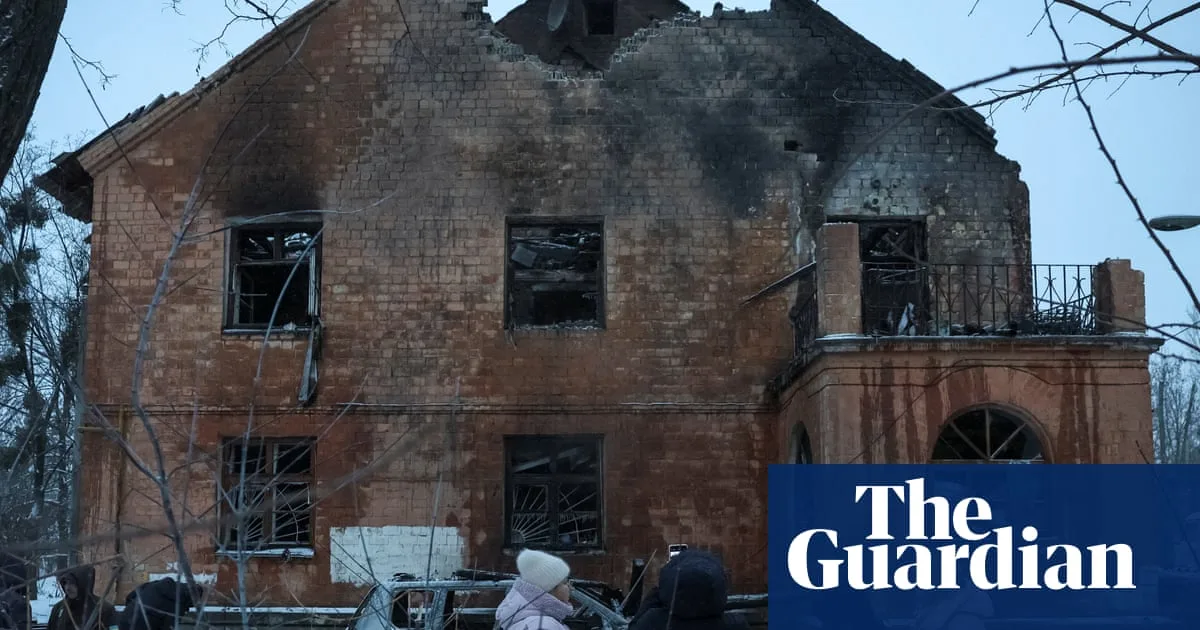
Separately, Russian strikes on Kyiv killed at least one person and injured five rescue workers. Mayor Vitali Klitschko said half of the capital's apartment blocks lost heating. President Zelenskyy reported damage to the Qatar embassy building. The Oreshnik launch capped a week of progress on postwar security plans, including Britain and France's commitment to deploy troops after a future peace agreement, a move Russia's foreign ministry rejected as a direct threat.




