Royal Navy Not War-Ready Until 2030, First Sea Lord Admits Amid US Criticism
Royal Navy Not War-Ready Until 2030, Admits First Sea Lord

Royal Navy Faces War Readiness Delay Until End of Decade

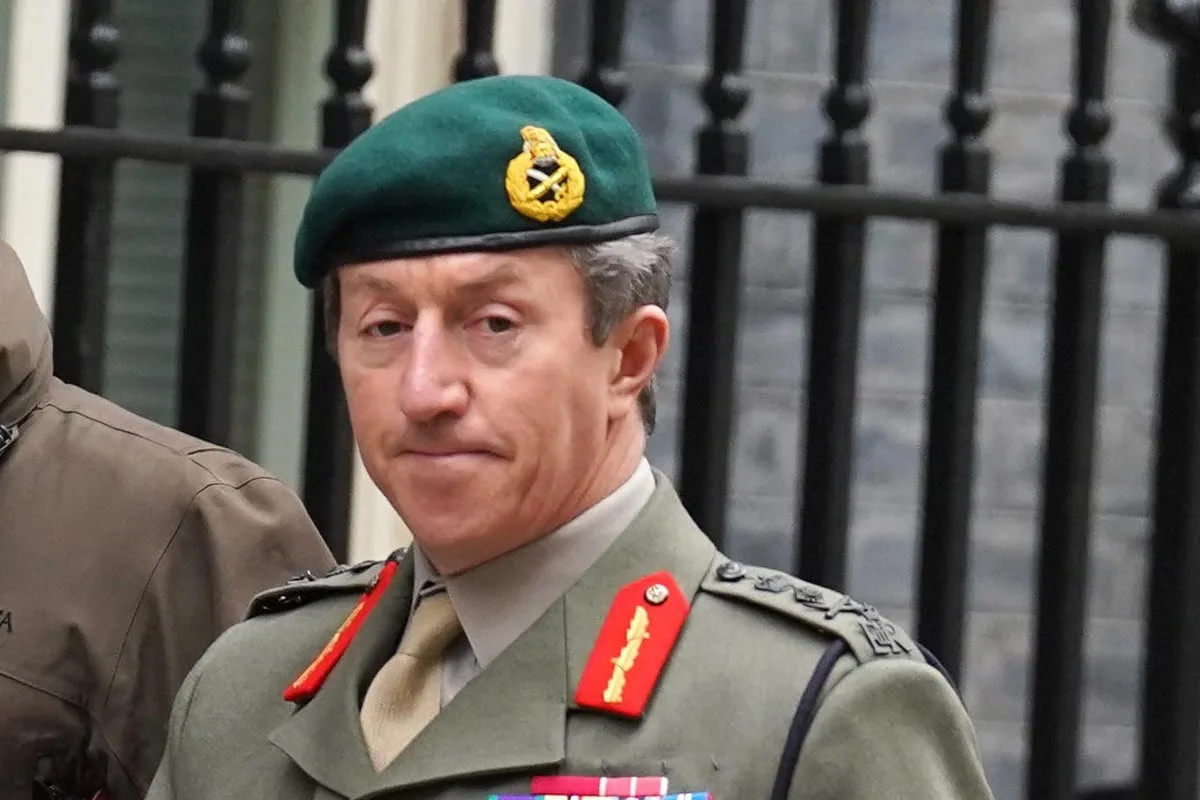
General Sir Gwyn Jenkins, the First Sea Lord, has openly acknowledged that the Royal Navy is not currently prepared for war and will not achieve full operational readiness until the conclusion of this decade. This admission follows a comprehensive defence investigation completed last year, which outlined the timeline for the navy's combat preparedness.

US Criticism Over Lack of Support in Iran Conflict

Speaking to Swedish newspaper Svenska Dagbladet on Monday, Sir Gwyn confirmed the navy's current limitations while addressing sharp criticism from United States officials. US Defence Secretary Pete Hegseth publicly attacked what he termed the "big, bad Royal Navy" for failing to deploy vessels in support of Operation Epic Fury, the ongoing American-Israeli military engagement in Iran.

"According to the defence investigation that was completed last year, I will be ready for war by the end of this decade," Sir Gwyn stated. When pressed to clarify whether this meant the navy was not presently war-ready, he responded: "I would say that we can conduct advanced operations right now, and if we were told to go to war, of course we would. That is my military duty. But are we as ready as we should be? I don't think we are. We have work to do and I am completely dedicated to the mission."

Wide Pickt banner — collaborative shopping lists app for Telegram, phone mockup with grocery list

Geopolitical Tensions and Economic Fallout

The conflict in Iran has created significant geopolitical instability, with neighbouring Gulf states enduring drone and missile strikes from Iranian forces. The Islamic Revolutionary Guards Corps maintains control over the Strait of Hormuz, a crucial maritime trade route that handles approximately one-fifth of the world's oil shipments. This control has triggered dramatic increases in global oil prices, sending shockwaves through international markets.

Former US President Donald Trump escalated tensions further through a Truth Social post on Tuesday, directly challenging the United Kingdom. "All of those countries that can't get jet fuel because of the Strait of Hormuz, like the United Kingdom, which refused to get involved in the decapitation of Iran, I have a suggestion for you: Number 1, buy from the U.S., we have plenty, and Number 2, build up some delayed courage, go to the Strait, and just TAKE IT," Trump wrote. He added: "You'll have to start learning how to fight for yourself, the U.S.A. won't be there to help you anymore, just like you weren't there for us. Iran has been, essentially, decimated. The hard part is done. Go get your own oil!"

Broader NATO Readiness Concerns

Sir Gwyn emphasized that the United Kingdom is not alone in facing war readiness challenges. "I also see that among our allies in NATO. I am not trying to scare people and together we have incredible resources," the military chief noted, suggesting that multiple alliance members are struggling to achieve optimal combat preparedness during this period of heightened global tensions.

This assessment comes as NATO members have committed to substantially increased defence spending targets. During the December summit, all 32 alliance members agreed to invest five percent of their GDP annually on defence and security by 2035. This new benchmark includes at least 3.5 percent for core military requirements and 1.5 percent for related security domains such as cybersecurity and defence industry investments, marking a significant upgrade from the previous two percent target established in 2014.

According to a NATO report released last Thursday, all alliance members met the two percent expenditure target last year, with Europe and Canada demonstrating notable increases in their defence budgets. This collective effort reflects growing recognition of the need for enhanced military capabilities amid evolving global security challenges.

Pickt after-article banner — collaborative shopping lists app with family illustration




