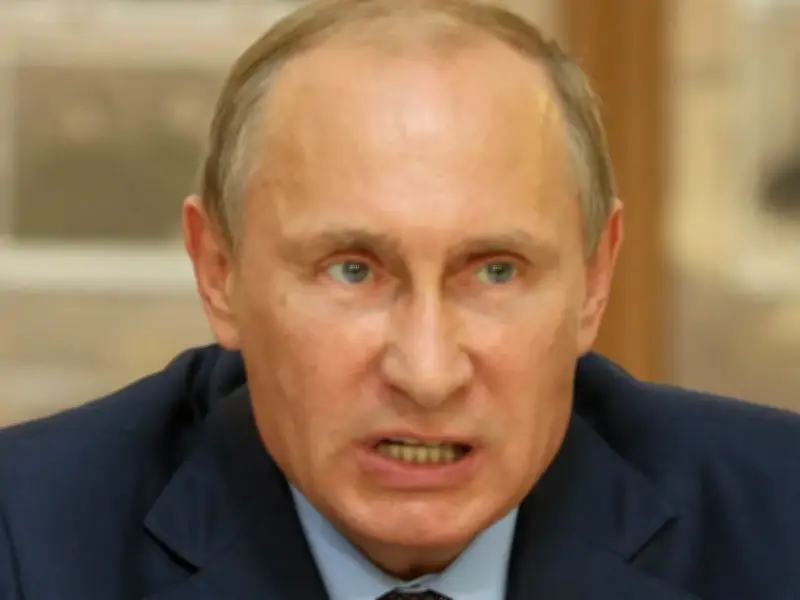
Russian officials have reportedly lifted an 'unofficial ban' on killing Ukrainian President Volodymyr Zelensky and his top generals, following a high-stakes meeting with Vladimir Putin. Intelligence suggests Zelensky's top military commanders may also be in the crosshairs after the crucial meeting.
Strikes on Baltic Oil Terminals Trigger Policy Shift
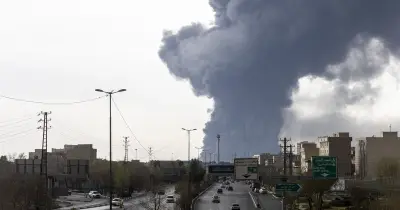
Kyiv's sustained strikes on Russia's oil export terminals on the Baltic Sea are understood to have triggered the policy shift, Blokot reported. Sources indicate that, during a private meeting on Thursday, Moscow's security officials cautioned that the nation was haemorrhaging defence funds trying to counter Kyiv's drone attacks.
The Leningrad region alone, where St Petersburg is situated, reportedly forked out close to the equivalent of $300 million on air defence systems.
Officials Warn of 'Endless Swarm of Drones'
"It is pointless to fight the endless swarm of drones - it is necessary to destroy the very chain of decision-making," one Russian official reportedly warned, according to the outlet. The New York Post reports that security officials determined they would prefer to eliminate the current leadership, including Zelensky, citing senior government sources.
"The destruction of other people's heating does not stop attacks on our refineries, because the people who give orders feel completely safe under the protection of Moscow's unspoken 'gentlemen's agreements' with the West," a Russian source said.
Potential Use of Hypersonic Weaponry
Officials reportedly indicated they could deploy heavy hypersonic weaponry to strike bunkers and motorcades transporting Ukrainian leaders and senior army commanders. This follows Putin issuing an ultimatum to Britain, insisting the UK relinquish its nuclear protection of European allies as part of a proposed agreement to bring the war in Ukraine to an end.
A document prepared by Russian negotiators outlines a series of sweeping conditions Moscow is seeking before it will agree to peace, including compelling Britain and France to withdraw their nuclear protection from other European nations. The extraordinary demands, which would fundamentally alter Europe's security architecture, are detailed in a paper dated November 10 and obtained by The New York Times from a person involved in the negotiations.