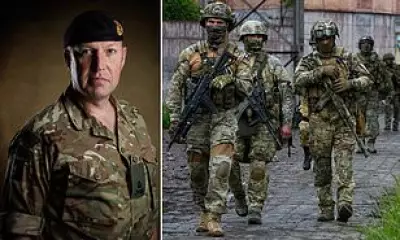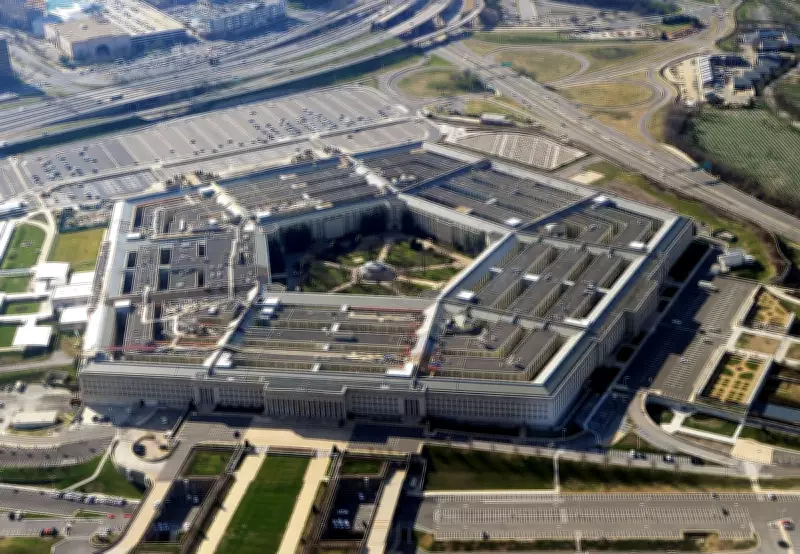
The Pentagon's program for tracking civilian deaths in military operations is facing intense scrutiny following allegations of systematic underreporting. Critics, including human rights organizations and some lawmakers, argue that the program has been ineffective and opaque, leading to a significant undercount of civilian casualties in conflict zones such as Iraq, Syria, and Afghanistan.
Allegations of Underreporting
According to a recent report by a watchdog group, the Pentagon's process for investigating and documenting civilian deaths has been marred by delays, lack of transparency, and a culture of minimizing accountability. The report claims that the number of civilian casualties acknowledged by the military is far lower than estimates from independent sources. For instance, in the campaign against ISIS, the Pentagon reported over 1,400 civilian deaths, while independent monitors suggest the figure could be as high as 10,000.
Mechanisms and Flaws
The program, established in 2018, was designed to improve the tracking and response to civilian casualties. However, internal documents obtained by the watchdog reveal that investigations are often incomplete, with many cases closed without a final determination. The process relies heavily on self-reporting by military units, which may discourage acknowledging errors. Furthermore, the Pentagon has not consistently provided compensation or apologies to victims' families, as required by its own policies.

Political and Legal Implications
Lawmakers from both parties have expressed concern. Senator John Smith (R-TX) called for a congressional hearing, stating that "the American people deserve to know the full extent of civilian harm caused by our military operations." Representative Jane Doe (D-CA) introduced a bill that would mandate an independent commission to oversee the program. The Pentagon has defended its efforts, citing improvements in data collection and collaboration with non-governmental organizations.
Calls for Reform
Human rights groups are urging the Biden administration to overhaul the program. They recommend implementing independent investigations, increasing transparency, and ensuring accountability for violations. The Pentagon has announced a review of its procedures but has not committed to external oversight. The controversy threatens to undermine the military's credibility and could impact future operations, especially in urban environments where civilian presence is high.
As the debate continues, the families of victims await justice. The issue highlights the ongoing challenge of balancing military objectives with the protection of civilian life in modern warfare.