Pentagon Implements Media Restrictions on Iran War Coverage
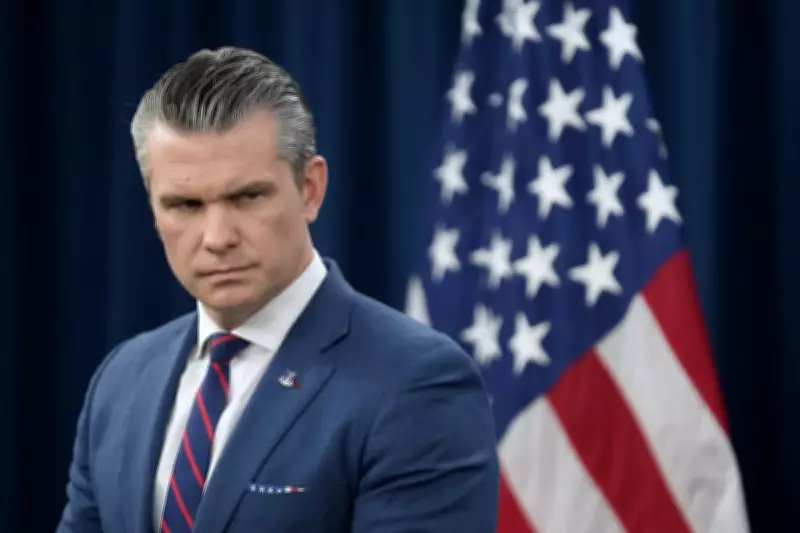
The Pentagon has implemented a controversial new policy by blocking photographers from attending the last two briefings conducted by Defense Secretary Pete Hegseth regarding the ongoing war in Iran. This abrupt change represents a significant departure from longstanding media access protocols, yet officials have provided no explanation for the restriction.
Unanswered Questions and Media Tensions
A Pentagon spokesman, Joel Valdez, explicitly declined to comment on the story when approached for clarification. This silence occurs against a backdrop of escalating tensions between the Defense Department under Hegseth and the traditional news media assigned to cover his activities. Most mainstream news organizations have already vacated their desks at the Pentagon, refusing to comply with new Trump administration regulations that severely limit their movements and whom they can interview.
These established outlets have been replaced by a newly formed press corps that has agreed to the restrictive rules. This group largely consists of reporters from media organisations supportive of President Donald Trump, fundamentally altering the journalistic landscape at the Pentagon.

Selective Access and Legal Challenges
Despite the exodus, the Pentagon has been issuing temporary passes to legacy reporters, allowing them to attend Hegseth's war briefings. However, Secretary Hegseth rarely acknowledges these journalists during the sessions. In a notable exception, he called upon Eric Schmitt of The New York Times during Tuesday's briefing.
The New York Times is actively challenging the administration's media rules, having filed a lawsuit to overturn Hegseth's regulations. A hearing on this case was held last week before U.S. District Judge Paul Friedman. "As The Times has long said, there is a clear importance and public service to allowing journalists to report fully on the U.S. military," stated Charles Stadtlander, a spokesman for the newspaper. "This includes photojournalists, who deserve access and credentialing to attend Pentagon briefings."
While photographers from organisations like The Associated Press have been blocked, Hegseth continues to permit video cameras at his briefings. The AP had no immediate comment regarding the access denial for its photographic staff.
White House Confrontation Over Reporting
The Times' coverage of the Iran war has drawn direct criticism from the White House. Press Secretary Karoline Leavitt stated on Tuesday that the administration would not be "harassed" by The New York Times regarding an investigation into a bombing that targeted a girls' school in Iran. The attack resulted in an estimated 175 fatalities, including numerous school children.
Leavitt asserted that President Trump would accept the conclusions of the Defense Department's investigation into responsibility for the bombing. "We're not going to be harassed by The New York Times, who've been putting out a lot of articles on this making claims that have just not been verified by the Department of War, to quickly wrap up this investigation because The New York Times is calling on us to do so," she declared.
In a related development, The New York Times reported on Wednesday, citing anonymous sources, that preliminary findings from the administration's investigation suggest the United States was responsible for the school bombing. The report indicated that the military believes outdated intelligence was used to select the target for the Tomahawk missile deployed in the attack.