
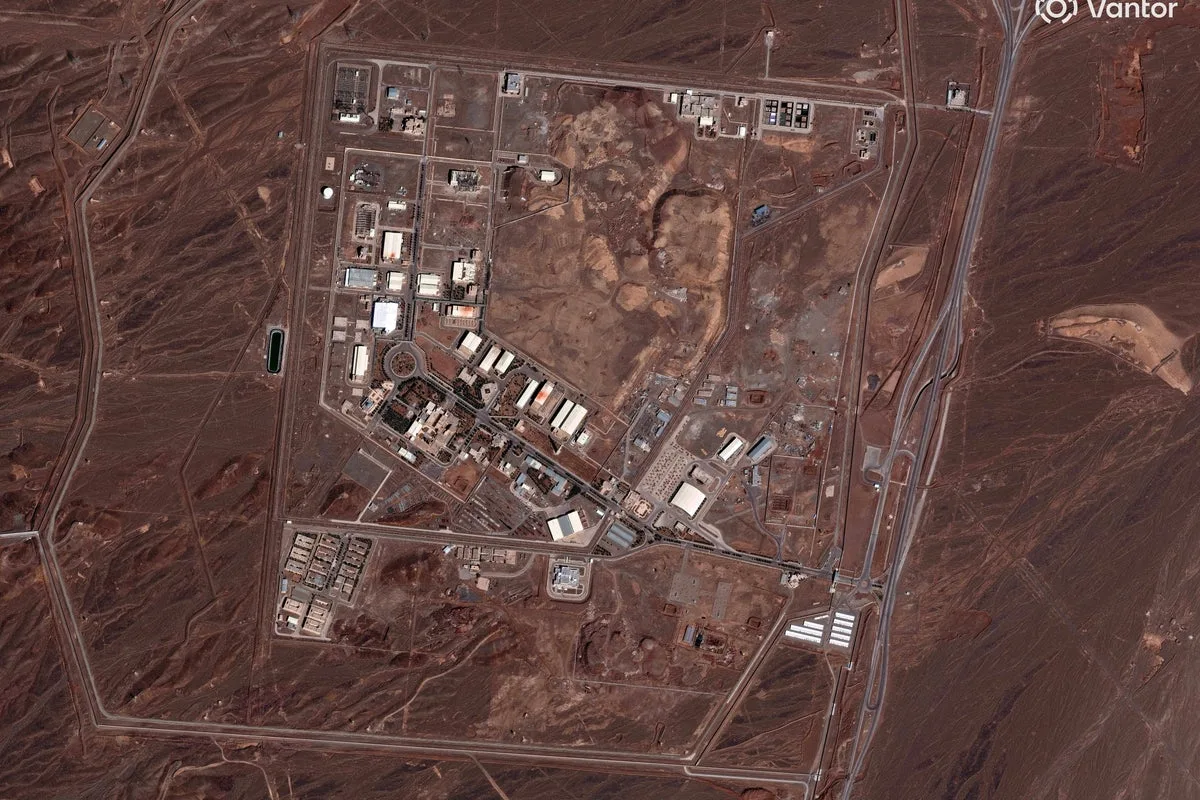
Any US military operation to seize Iran’s enriched uranium stockpile would be extremely complex, risky, and lengthy, according to experts and former officials. President Donald Trump has repeatedly stated that preventing Iran from obtaining a nuclear weapon is a primary goal, and reports indicate he is considering a ground operation involving up to 1,000 specially trained troops.
Iran holds 440.9 kilograms of uranium enriched to 60% purity, a short step from weapons-grade 90%, according to the International Atomic Energy Agency (IAEA). This stockpile could theoretically be used to build up to ten nuclear bombs, though Iran insists its programme is peaceful. IAEA inspectors have been unable to verify the material’s location since June 2025, when Israeli and American strikes weakened Iran’s defences.
The uranium is stored in robust canisters, each weighing about 50 kilograms when full, at sites including Isfahan, Natanz, and Fordo. David Albright, a former nuclear weapons inspector, warned that damage to canisters from airstrikes could allow moisture inside, releasing toxic fluorine gas. Retrieving the canisters would require hazmat suits and careful spacing to avoid a critical nuclear reaction and radiation release.
Experts suggest that downblending the uranium to civilian-use levels inside Iran is not feasible due to damaged infrastructure. Removing the material by military aircraft for processing abroad is seen as a safer alternative. Christine Wormuth, former US Army Secretary, described a ground operation to secure the material as “very complex and high risk.” A negotiated settlement without force is considered a viable alternative.




