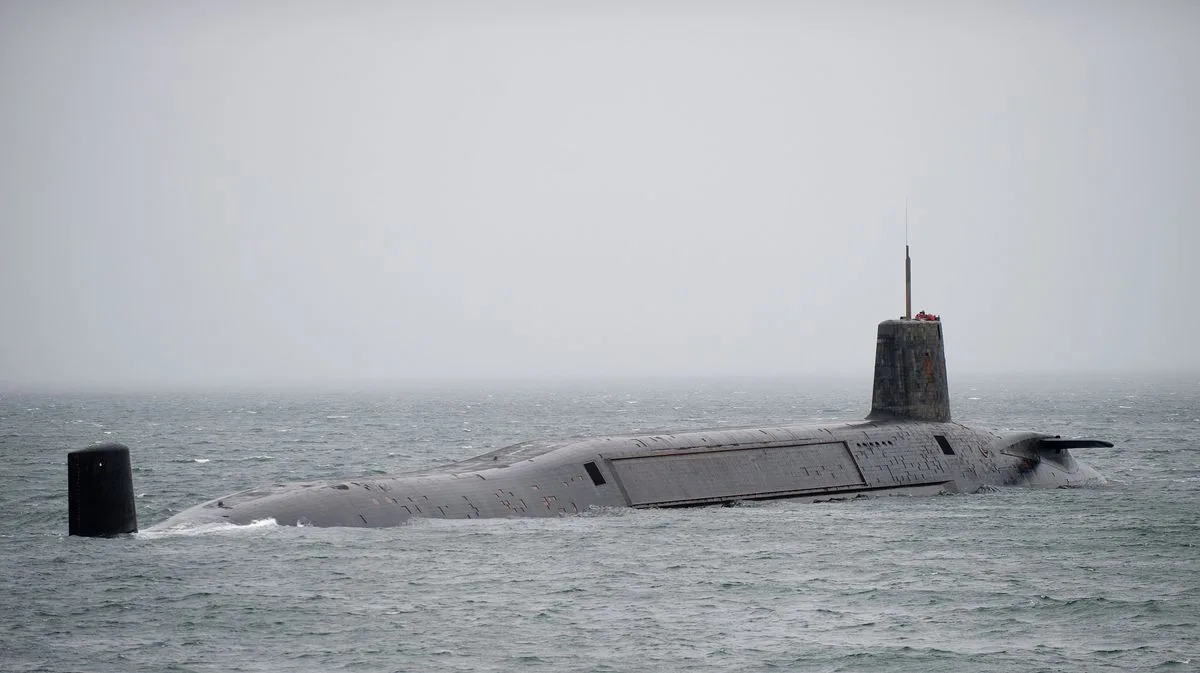
Nearly 200 Royal Navy Submariners Fail Drug Tests Over Seven-Year Period
Nearly 200 Royal Navy Submariners Fail Drug Tests

Widespread Drug Use Uncovered in Britain's Nuclear Submarine Force

Shocking new figures from the Ministry of Defence have revealed that nearly 200 Royal Navy sailors serving in the elite nuclear submarine force have failed drug tests over the past seven years. The statistics, covering the period from 2018 to 2024, show that 175 submariners tested positive for a variety of banned or illegal substances, including cocaine, cannabis, ecstasy, and steroids.

Security Risks and Operational Concerns

Philip Ingram, a former colonel in British military intelligence, expressed grave concerns about the security implications of these findings. "There is no place for drugs in our Armed Forces, and especially in sensitive areas such as the submarine service where there is an increased security risk of drug-takers being blackmailed for classified and sensitive insights," he stated emphatically.

Ingram continued: "The numbers unfortunately reflect the prevalence of drugs in society and that service personnel, often under huge pressure, succumb to temptation like their civilian counterparts. However, there should never be an excuse, and zero tolerance is the only right way forward."

Wide Pickt banner — collaborative shopping lists app for Telegram, phone mockup with grocery list

Specific Cases and Consequences

In 52 of the 175 documented cases, the submariners were actually serving on a submarine at the time they were caught. While almost all have been dismissed from service, sources indicate that a small number of personnel might have been spared punishment under specific circumstances:

  • If they were unaware the substance was banned
  • If there were mitigating circumstances in their case

It is believed that some of those who failed drug tests were working on Britain's fleet of four Vanguard-class submarines. These vessels carry the UK's ultimate weapons - the Trident 2 nuclear missiles - with one submarine always at sea at any given time to maintain continuous at-sea deterrence.

Increasing Pressure on Submarine Personnel

The submarine service is facing unprecedented operational pressures. Sailors serving on Vanguard vessels are now facing longer stints at sea, with one boat returning to HMNB Clyde in Scotland last year after a record-breaking 204 days underwater. Simultaneously, efforts to deploy the Navy's six Astute-class hunter-killer submarines have become increasingly challenging, with much of the fleet stuck in port and unable to go to sea.

Former Navy commanders fear that some sailors are turning to drugs to cope with these mounting demands. Commander Tom Sharpe, a retired frigate captain, acknowledged that the Navy was actively tackling drug-taking but emphasised the seriousness of the offense: "Taking drugs on a submarine is unacceptable, and they will be sent to jail. If you do something that imperils your ship deliberately, you're in deep water."

Broader Implications for the Service

Commander Ryan Ramsey, a former submarine captain, warned that the potential dismissal of sailors caught taking drugs could have dramatic consequences for the submarine service. "I'm not shocked by the number, really, but it is disappointing," he admitted. "It's probably symptomatic of a change in society towards drugs and boredom at not being at sea on operations."

Ramsey elaborated on the operational impact: "The Royal Navy detection system clearly works and they deal with those who are caught, but this doesn't reach the root cause of why the individuals do this. The impact of losing people that you have spent money and time on specialist submarine training is significant. It means it increases the burden on other individuals on board if people suddenly leave."

Official Response and Policies

The Ministry of Defence has emphasised that no drugs have been found in any search of a submarine in the past seven years and maintains that robust measures are in place to crack down on drug use by Armed Forces personnel.

A Navy spokesperson stated: "We operate a strict zero-tolerance policy towards drug misuse. Any individual found to have breached this policy can expect to face serious consequences, including immediate discharge from the service. Such behaviour is entirely incompatible with the high standards of professionalism, discipline and integrity expected."

Pickt after-article banner — collaborative shopping lists app with family illustration

The spokesperson added: "All personnel are required to undertake mandatory alcohol and substance misuse training on a biennial basis, ensuring they remain fully aware of their responsibilities and the consequences of non-compliance."

Other banned substances detected during the random, unannounced tests included benzodiazepine, a prescription drug typically used for treating anxiety and insomnia. The comprehensive testing regime has revealed a troubling pattern of substance abuse within one of the military's most critical and sensitive branches.




