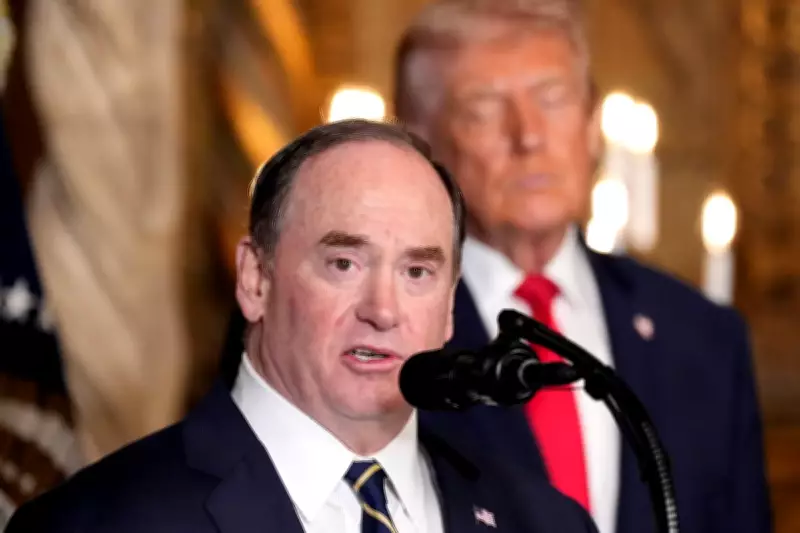
Pentagon Announces Sudden Departure of Navy Secretary John Phelan
The Pentagon has confirmed a significant leadership change within the United States Navy, announcing that Secretary of the Navy John Phelan is leaving his position with immediate effect. This development marks the latest in a series of high-profile departures among top defense officials, raising questions about stability and continuity in military leadership.
Official Statement and Immediate Succession
In a statement released on social media platforms, Pentagon spokesman Sean Parnell disclosed that Phelan was "departing the administration, effective immediately." The announcement came without prior warning, adding to the sense of urgency surrounding the transition. Parnell further clarified that Navy Undersecretary Hung Cao will assume the role of acting secretary of the Navy, ensuring operational continuity during this period of change.
Timing and Context of the Departure
The timing of Phelan's exit is particularly notable, occurring just one day after he delivered a keynote address at the Navy's annual conference in Washington, D.C. During the event, Phelan engaged with a large audience of sailors and industry professionals, outlining his ongoing agenda and future priorities for the naval force. He also participated in media interviews, discussing strategic initiatives without any indication of an impending departure.

This sudden move follows a pattern of leadership shifts within the Pentagon, contributing to an atmosphere of flux at the highest levels of defense governance. Analysts suggest that such changes could impact policy implementation and long-term planning, though the immediate operational functions of the Navy are expected to remain unaffected under acting leadership.
Implications for Naval Operations and Defence Strategy
As the top civilian official in the Navy, Phelan's role involved overseeing budgetary matters, procurement programs, and strategic direction. His departure necessitates a swift transition to maintain momentum on critical projects and international engagements. The appointment of Hung Cao as acting secretary provides a temporary solution, but questions linger about the permanent succession and potential shifts in naval policy.
The broader context of this announcement underscores ongoing challenges in retaining senior defense leaders, with implications for national security and military readiness. Stakeholders within the defense community will be closely monitoring developments to assess impacts on naval operations and broader defense objectives.