
NATO was forced to scramble fighter jets overnight as Russia launched a wave of missile and drone attacks on Ukraine. Poland's Armed Forces Operational Command announced that the Russian military activity prompted Western alliance aircraft to begin operations in Polish airspace.
In a statement on social media, the command said duty fighter pairs and an early warning aircraft were scrambled, while ground-based air defence systems and radar reconnaissance were placed at the highest state of readiness. The operation, described as preventive, lasted from approximately 3am to 6am on February 22. No violation of Polish airspace was observed.
The Polish command later confirmed that operations had concluded and all systems had returned to standard activities. The incident underscores ongoing tensions nearly four years after Russia's full-scale invasion of Ukraine, with NATO frequently scrambling jets to prevent potential airspace violations.
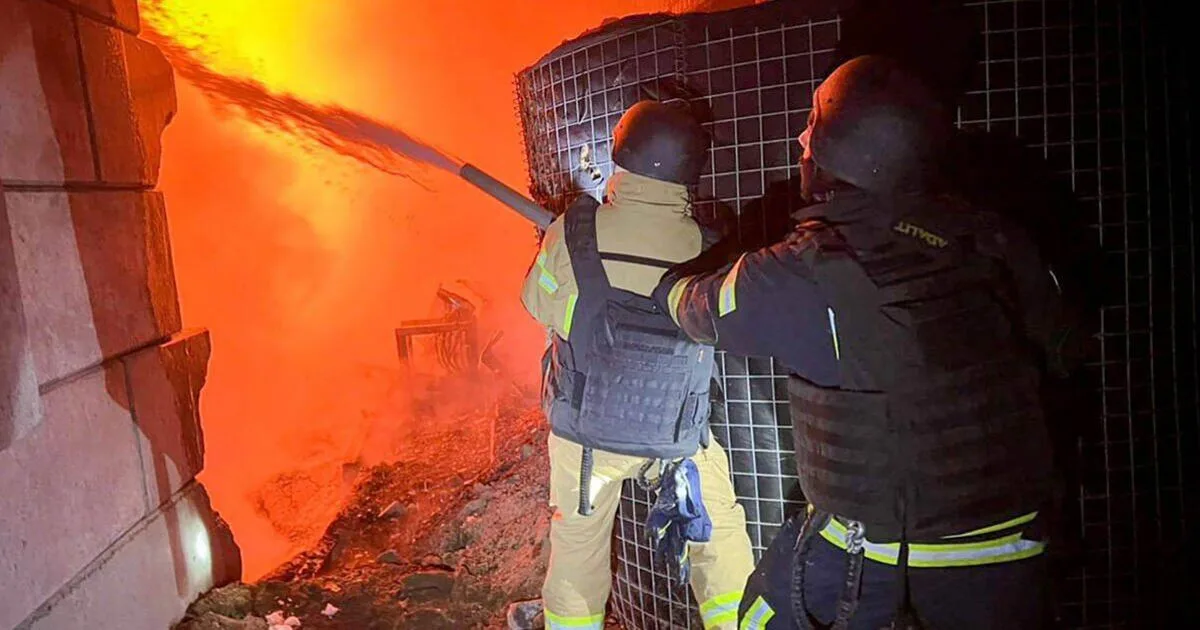
During the attack, explosions rocked Kyiv and Kropyvnytskyi, with Russia using Zircon hypersonic missiles, Kh-22s, and Iskanders, alongside drones. Preliminary data indicated more than 40 missiles were launched. In the Sumy region, four people were killed and one injured. Energy infrastructure was hit in Odesa as temperatures fell to -12°C, and in Lviv, a 23-year-old policewoman was killed and 24 wounded.




