The Ministry of Defence (MoD) has written to approximately 100,000 former British military personnel asking them to update their details as the Government steps up preparations for a potential war. The letters, sent to members of the Army, Royal Navy and RAF Strategic Reserve, request information about veterans' current jobs and skills.
This unprecedented move, the first of its kind since the Cold War, comes amid growing concerns about the threat from Russia and Britain's ability to defend itself. However, the letters are not a warning that compulsory military service is imminent. The Government has stressed that former service personnel are not about to be mobilised.
Purpose of the letters
Instead, the letters are intended to establish which veterans could be contacted and potentially recalled in exceptional circumstances. There is currently no conscription in Britain, and the Government has not announced any plans to introduce it.
Historical precedent indicates the ages that could be affected if compulsory military service were introduced during another major war. During World War 2, men aged between 20 and 22 were initially required to undertake six months of military training under the Military Training Act in 1939, with roughly 240,000 registering for service.
World War 2 conscription ages
When Britain declared war on Germany on September 3, 1939, the rules were immediately widened. The National Service (Armed Forces) Act imposed conscription on all men aged between 18 and 41, requiring them to register for military service. Exemptions were granted for those considered medically unfit and people working in essential industries, including baking, farming, medicine and engineering.
The age range was subsequently extended further. By the end of 1941, men up to the age of 51 were being called up, while those aged between 52 and 60 were required to undertake some form of military service. Women were also brought into the wartime system, with women and childless widows aged between 20 and 30 called up.
Current preparedness efforts
The latest letters are part of efforts to strengthen Britain's preparedness as tensions with Russia continue to rise. Last week, Russian missiles and a drone struck eastern Poland, around 60 miles from a UK-led military training exercise. Polish Prime Minister Donald Tusk suggested the incident was an "intentional provocation" against Britain, Poland and other NATO countries.
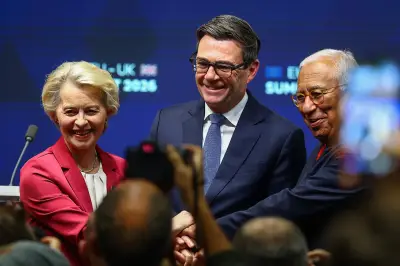
Andy Burnham, the Prime Minister, condemned the incident as "utterly unacceptable" and pledged that Britain would support Poland "in any way we can". The Government has also faced questions about the size of the British Army, which is now at its smallest strength since the Napoleonic Wars, with active-duty numbers approaching 73,000.
The Telegraph reported that ministers want to improve the country's military resilience by making better use of the Strategic Reserve. Calvin Bailey, the minister for veterans, insisted the letters did not mean reservists were about to be mobilised. He said: "While most strategic reserves will never be called to return, they are part of our country's deterrent, helping to prevent conflict every day." He added that the exercise was simply intended to ensure the Government knew how to contact eligible veterans and had accurate information about their experience.
Public opinion on conscription
There is also no indication of whether any future conscription scheme would apply to women as well as men. A YouGov survey of 3,044 people cited in the earlier report found that 72% supported women being conscripted alongside men. The same poll found that 38% of under-40s would refuse to serve in the Armed Forces if another world war broke out, while 30% said they would refuse even if Britain faced an imminent invasion.