
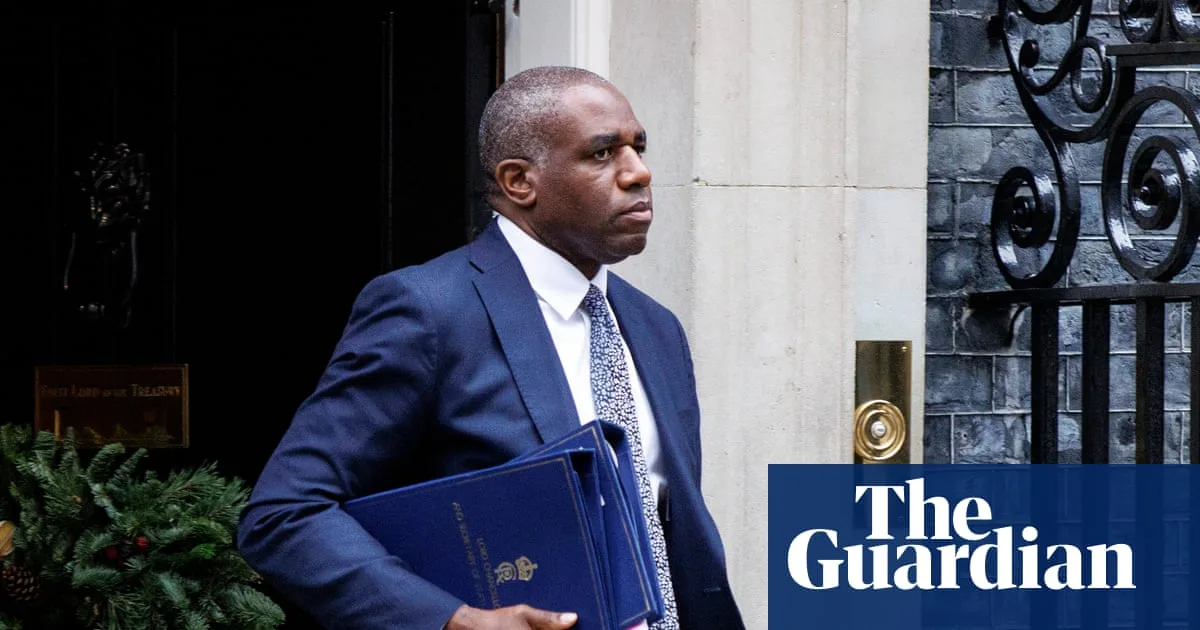
Justice Secretary David Lammy has described the leak of details from a top-secret National Security Council (NSC) meeting on US-Israel attacks against Iran as an 'absolute travesty' and called for an investigation. The meeting, protected by the Official Secrets Act, reportedly exposed cabinet divisions over allowing the US to use British bases for strikes against Iranian targets.
According to reports, Prime Minister Keir Starmer proposed permitting the US to use British bases for defensive strikes against Iran at the meeting last Friday. However, this was opposed by senior cabinet members including Ed Miliband, Rachel Reeves, Yvette Cooper, and Shabana Mahmood, as reported by The Spectator and subsequently picked up by other media outlets. Permission was ultimately granted on Sunday after Tehran launched retaliatory attacks across the Middle East.
Speaking to BBC Breakfast, Lammy said: 'It's an absolute travesty that there would be any kind of leak from an NSC meeting... we do nothing that would put our people at risk.' He added that the cabinet is 'absolutely united and supportive of a calm, cool head' and that the UK will not be involved in offensive action but will defend allies. A leak from the NSC is considered a serious breach; in 2019, then-Defence Secretary Gavin Williamson was sacked over a leak.
On Sky News, Lammy went further, calling for a proper investigation, stating that leaks from the NSC put British lives at risk. Downing Street declined to comment on the NSC but sought to clarify Lammy's earlier remarks suggesting that Royal Air Force jets could legally strike Iranian missile sites. The Prime Minister's spokesperson said they would not speculate on hypotheticals and reiterated that the UK's focus remains on defensive action, such as allowing the US to take out missiles at source while the UK defends the skies.
The clarification came after Liberal Democrat foreign affairs spokesman Calum Miller warned that Lammy's comments risked sliding into full conflict by backing direct UK strikes on Iran, calling for urgent clarification from No 10 on whether this represented a change in Britain's position on involvement in what he termed 'Trump's illegal war'.




