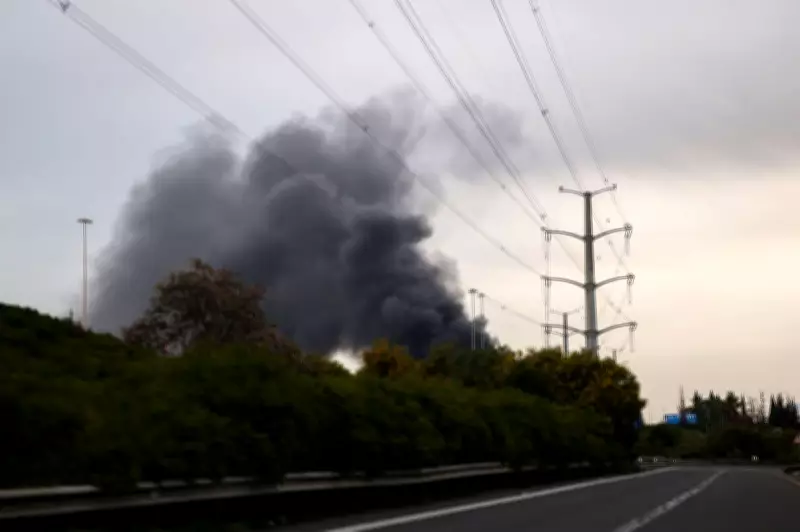
As the military confrontation between the United States, Israel, and Iran continues into its third week, emerging intelligence suggests that Israel's stockpile of air defence interceptors is being rapidly depleted due to sustained retaliatory attacks from Iran. This development poses significant strategic challenges for Israeli defence capabilities in the ongoing conflict.
Denials and Defence Procurement
The Israel Defence Forces and Israeli foreign minister have officially denied these reports of interceptor shortages. However, the Israeli government reportedly approved approximately US$826 million for urgent and essential defence procurement over the weekend, indicating recognition of pressing defence needs.
Accurately assessing the remaining interceptor inventory proves challenging as the IDF maintains strict confidentiality regarding such operational details. Military analysts note that the possibility of interceptor depletion was anticipated before Israel and the United States initiated bombing campaigns against Iran more than two weeks ago.

Israel's Layered Air Defence System
Israel maintains a sophisticated, multi-layered air defence infrastructure capable of countering threats from ballistic missiles, cruise missiles, aircraft, drones, and artillery shells across various altitudes, including both atmospheric and exo-atmospheric environments.
The renowned Iron Dome represents just one component of this comprehensive system, specifically designed to intercept short-range artillery shells and rockets. While technological variations exist among different defence systems, all share three fundamental elements: trained IDF personnel for operation, radar systems for threat detection, and the interceptors themselves.
Interceptor Technology and Limitations
Israel has recently deployed the innovative Iron Beam laser system for missile and drone destruction, though surface-to-air missiles remain the most prevalent interceptor type. Ballistic missile defence interceptors represent particularly complex and expensive weaponry, with enhanced capabilities correlating directly with increased production costs and limited quantities.
A sustained offensive campaign can rapidly exhaust even Israel's substantial interceptor reserves, creating vulnerabilities in national defence infrastructure.
Factors Contributing to Interceptor Shortages
The twelve-day conflict between Israel and Iran last year significantly diminished stockpiles of anti-ballistic missiles for both Israel and its American ally. Research from a Washington-based centre indicates that during that conflict, Israel and the United States successfully intercepted 273 of 322 Iranian missiles attempted, achieving an 85 percent success rate.
Given the substantial interceptor expenditure during that recent engagement, military analysts believe neither nation has fully replenished their defensive arsenals before commencing the current hostilities. Supporting evidence includes reports that the United States is relocating components of its THAAD missile defence system from South Korea to the Middle East, suggesting American forces will assume greater defensive responsibilities that could further strain their own interceptor supplies.
Technical Challenges and Iranian Tactics
Ballistic missiles present particularly formidable interception challenges due to their exceptional velocity and altitude capabilities. Multiple interceptors are typically required to ensure successful neutralization of each incoming missile. Iran has compounded these difficulties by equipping some ballistic missiles with cluster munitions.
Iranian forces have deployed over 500 missiles and 2,000 drones since conflict initiation, utilizing inexpensive, easily replaceable drones to overwhelm Israeli and American air defence systems. These drones can be launched from dispersed, difficult-to-detect locations, making ground destruction more challenging than with ballistic missiles.
While jet fighters have demonstrated considerable success countering drone attacks, the missiles they deploy cost substantially more than the drones themselves. Alternative defence platforms like the Iron Beam system remain in limited operational supply.

Regional Defence Strain
Interceptor shortages reportedly extend beyond American and Israeli forces. Persian Gulf states facing Iranian attacks are similarly exhausting their defensive assets. Iranian forces have specifically targeted missile defence radars throughout the region, with reports indicating successful destruction or damage to several systems.
This situation raises fundamental questions about why Israel and the United States would initiate renewed conflict without fully replenished interceptor stockpiles. Several potential explanations exist: accelerated but unlikely stockpile reconstruction, confidence in destroying sufficient Iranian offensive weapons before defensive munition depletion, or anticipation that Iran would seek earlier conflict resolution.
Iranian Strategy and Conflict Duration
Iran's strategic objectives remain unclear beyond apparent intentions to prolong hostilities and generate regional chaos with global energy market implications. Some analysts speculate Iran may deliberately withhold advanced missile technologies until American and Israeli interceptors are exhausted, though no concrete evidence supports this theory, which would represent considerable risk for Iranian forces.
Certain realities remain evident: the United States and Israel possess finite interceptor quantities, while Iran cannot indefinitely maintain current attack levels. Although economic pressures affect all combatants and global markets broadly, Iran appears better positioned for protracted conflict given the substantial costs incurred by the United States and Israel and their reluctance to commit to potentially disastrous ground invasion operations.