
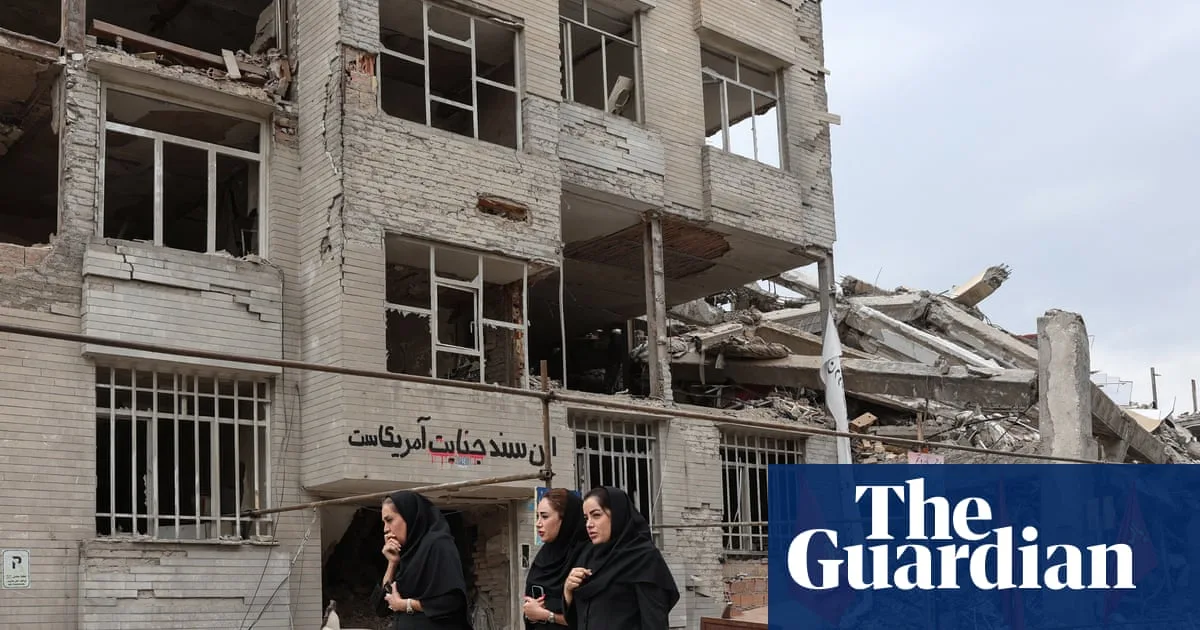
Thousands of Tehran residents who fled the early days of the war are now filtering back to a capital scarred by missile strikes and crumbling infrastructure, only to find a fragile ceasefire and an uncertain future. The truce, which halted the bombing, has brought people home, but many describe a city that is barely livable and a government that remains as repressive as ever.
Mehdi, a 36-year-old IT professional, returned from relatives in the north to find his home damaged, with glass shattered and bedroom window frames blown out. He told of hearing a whistle before three missiles hit his street in quick succession. 'Our home is now barely livable. In some sense, we've become war refugees,' he said. He and his wife now sleep in the living room, the least damaged part of the house, as they navigate insurance paperwork.
Tehran-based activist Noor, who stayed through the onslaught, said explosions have destroyed schools, universities, pharmaceutical plants, hospitals, civilian homes, cars and buses. The economic toll is severe: food prices have soared, with dairy up by more than 40%, and red meat and fish now unaffordable for most. Medications for chronic illnesses are hard to find. Factories are struggling due to a lack of raw materials, construction workers face layoffs, and many workplaces are shedding staff.
The internet blackout, now exceeding 45 days, has cut off most of the population, destroying online livelihoods. Noor estimates that around 10 million Iranians depend on internet access for income. Schools remain closed, and mothers in the private sector are struggling to care for children. The streets are full again, but the atmosphere is tense and heavily surveilled, with security forces including police, the IRGC and the Basij manning roadblocks and checking vehicles and phones.
Arash, a 21-year-old student, said he is 'hyper alert all the time' after returning. He described seeing all three security branches on a single street, armed with AK-47s and Dushka rifles, and noted that some checkpoints have recruited children. Many residents feel trapped between war with the US and the regime's brutal repression, with the ceasefire deadline looming as a ticking timebomb.




