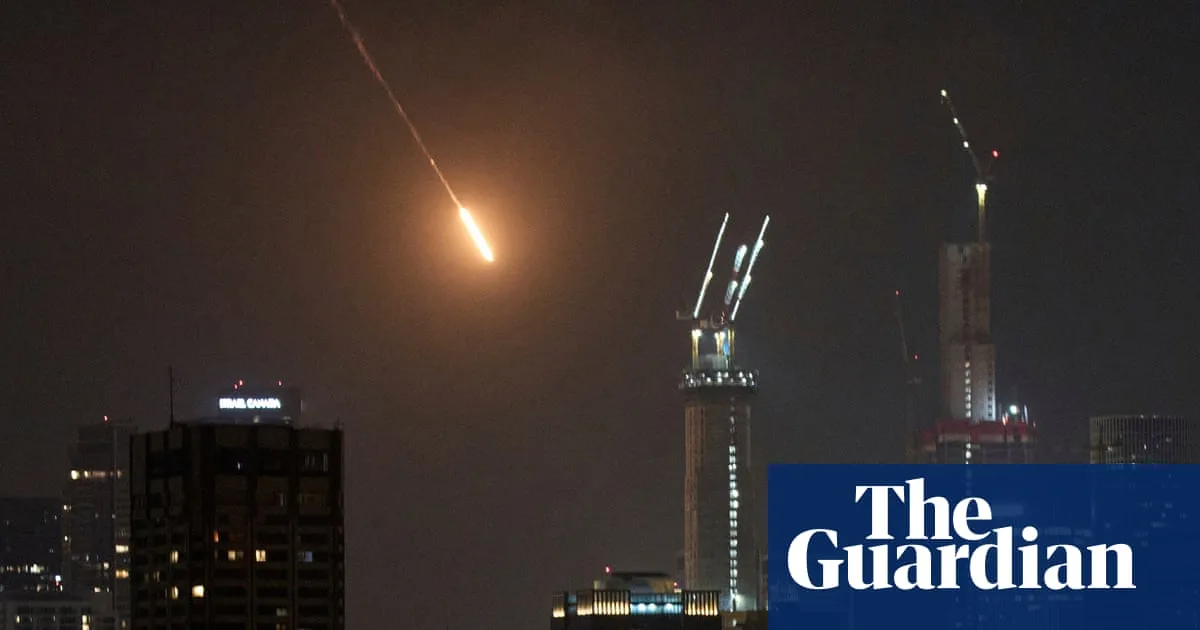
Concerns about a significant escalation in Middle Eastern hostilities have now directly impacted British security interests, following explicit warnings from Iranian officials about potential targeting of UK-associated military installations. The Iranian ambassador to London, Seyed Ali Mousavi, has indicated that facilities connected to American military operations could become vulnerable should regional tensions continue to deteriorate unchecked.
Direct Threats to British Soil
American forces have already utilised RAF Fairford in Gloucestershire and the strategic base at Diego Garcia to conduct strikes against Iranian targets since conflict erupted last month. Initially, Downing Street demonstrated reluctance to permit these operations, with Prime Minister Keir Starmer declining an early request from former US President Donald Trump. However, this position shifted dramatically after Iran initiated actions to restrict access through the crucial Strait of Hormuz, a vital global shipping corridor.
Ambassador's Chilling Statement
In a sobering interview with Times Radio, Ambassador Mousavi delivered a carefully worded but unambiguous warning: "This is a very important matter we are considering. This is a very important matter for our self-defence. The military sections of our system will decide appropriately." He elaborated further, stating that potential responses would depend directly on British decisions and activities, emphasizing that "Every option should be considered. We are very careful and delicate [about] how to defend ourselves."
These remarks arrive amid growing apprehension regarding Britain's defensive capabilities against missile attacks. Security experts have repeatedly cautioned that the United Kingdom lacks adequate missile defence systems to protect against sophisticated threats. Last month, Iran demonstrated its long-range capabilities by firing two ballistic missiles toward Diego Garcia, marking the first confirmed use of such weapons in the current conflict. While one missile was intercepted and another failed mid-flight, the attempt highlighted tangible vulnerabilities.
Defence Shortcomings and Economic Fallout
A spokesperson for the UK Ministry of Defence confirmed the attempted strike, stating: "Iran's reckless attacks, lashing out across the region and holding hostage the Strait of Hormuz, are a threat to British interests and British allies." Despite government pledges to allocate £1 billion toward strengthening air defences, bureaucratic delays within the Ministry of Defence have hindered progress, leaving Britain increasingly dependent on NATO allies for protection.
Simultaneously, the economic consequences of the crisis are intensifying significantly. Iran's effective blockade of the Strait of Hormuz has driven global energy prices upward, creating pressure on Western nations to respond. Former President Trump specifically singled out Britain in social media posts, urging Prime Minister Starmer to "get your own oil," while criticizing countries that have "refused to get involved in the decapitation of Iran." Trump's message was blunt: "You'll have to start learning how to fight for yourself, the U.S.A. won't be there to help you anymore, just like you weren't there for us."
Transatlantic Tensions Surface
US Defence Chief Pete Hegseth also highlighted British hesitancy, noting pointedly that "last time I checked, there was supposed to be a big, bad Royal Navy that could be prepared to do things like that as well." UK Defence Secretary John Healey addressed this criticism during diplomatic visits, insisting Britain remains a steadfast American ally despite policy differences.
The transatlantic alliance has shown visible strain throughout the crisis. Prime Minister Starmer previously criticized US military strikes as neither "thought through" nor "credible," drawing a sharp personal rebuke from Trump who declared the British leader "not Winston Churchill." Similar tensions emerged with France, after Trump criticized French authorities for being "VERY UNHELPFUL" in restricting overflight permissions for military transports. The French government maintained its consistent position of not authorizing use of its territory or bases for attacks against Iran.
As diplomatic exchanges grow increasingly tense and military threats become more explicit, British policymakers face complex challenges balancing alliance commitments, national security vulnerabilities, and economic pressures stemming from the escalating Middle Eastern conflict.






