
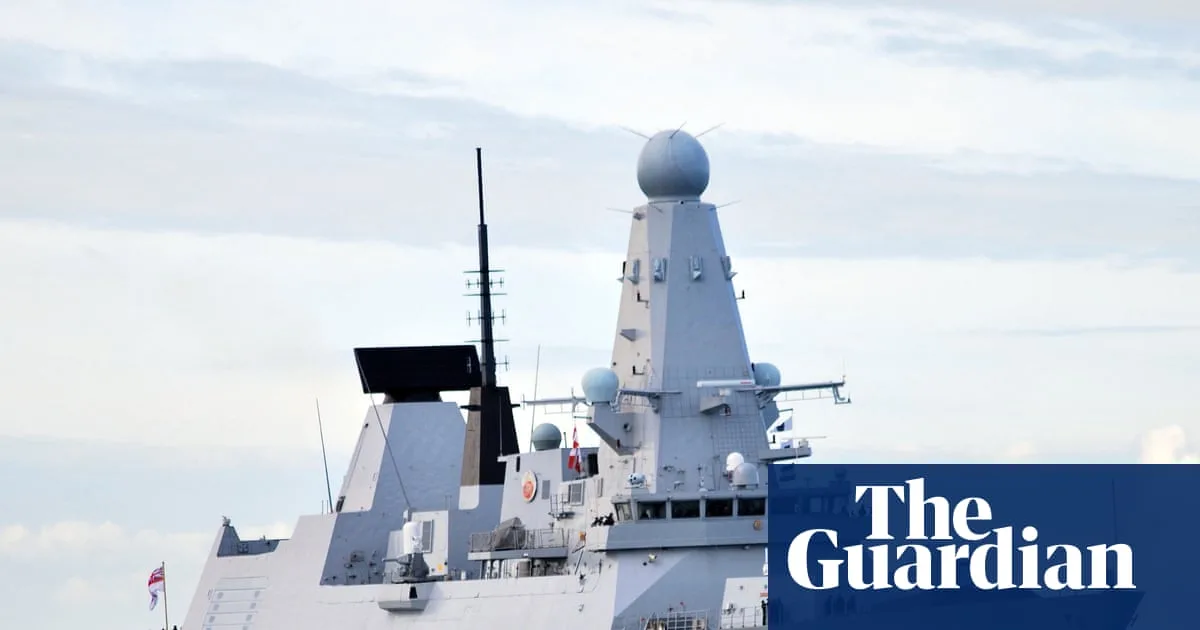
HMS Dragon has arrived in the eastern Mediterranean, three weeks after an Iranian-made drone struck the British base of RAF Akrotiri in Cyprus, Defence Secretary John Healey has confirmed. The Type 45 destroyer will begin 'operational integration into Cyprus’s defence' from Monday night, Healey told MPs.
The deployment follows criticism of the UK government for the delay in sending a warship to the region, particularly after Greece and France moved to provide additional naval support to Cyprus. The Cypriot government has also expressed concern over the drone's ability to hit the base, prompting calls for a review of the British presence on the island.
The vessel underwent a six-day rapid refit in Portsmouth, with crews working 22-hour days, after a scheduled six-week maintenance period was cut short. Opposition parties argued the government should have anticipated the US-Israeli conflict with Iran and repositioned assets pre-emptively.
Healey also confirmed reports that Iran attempted two strikes on the joint UK-US base on Diego Garcia in the Chagos Islands. However, he stated there is no assessment that the UK is being directly targeted at home, adding that the country has the resources and alliances to remain safe.
An extra 500 air defence personnel have been deployed to Cyprus, Healey said, with UK forces working closely with the Republic of Cyprus and allies including the US, France, and Greece to bolster security. RAF and navy pilots have flown nearly 900 hours in defence of Cyprus and other regional nations, with more jets in the area than at any time in 15 years.
HMS Dragon is equipped with a Sea Viper missile system capable of intercepting drones and missiles. Healey also confirmed that the prime minister authorised the use of UK bases for US defensive strikes against Iranian targets threatening the Strait of Hormuz, which Iran is accused of 'holding hostage' through mining and targeting ships, including Red Ensign vessels.




