
European leaders have rallied behind Denmark and Greenland after a senior aide to US President Donald Trump suggested the United States might be willing to seize the Arctic territory by force. UK Prime Minister Keir Starmer, French President Emmanuel Macron, and German Chancellor Friedrich Merz declared that Greenland “belongs to its people”, in a rare joint rebuke to the White House.
In a statement issued on Tuesday, the three leaders, alongside the prime ministers of Denmark, Italy, Poland, and Spain, affirmed that only Denmark and Greenland have the right to decide on matters concerning the territory. Later, at a press conference in Paris, Starmer reiterated British support for Denmark, though he avoided deepening the transatlantic rift by focusing on security commitments to Ukraine.
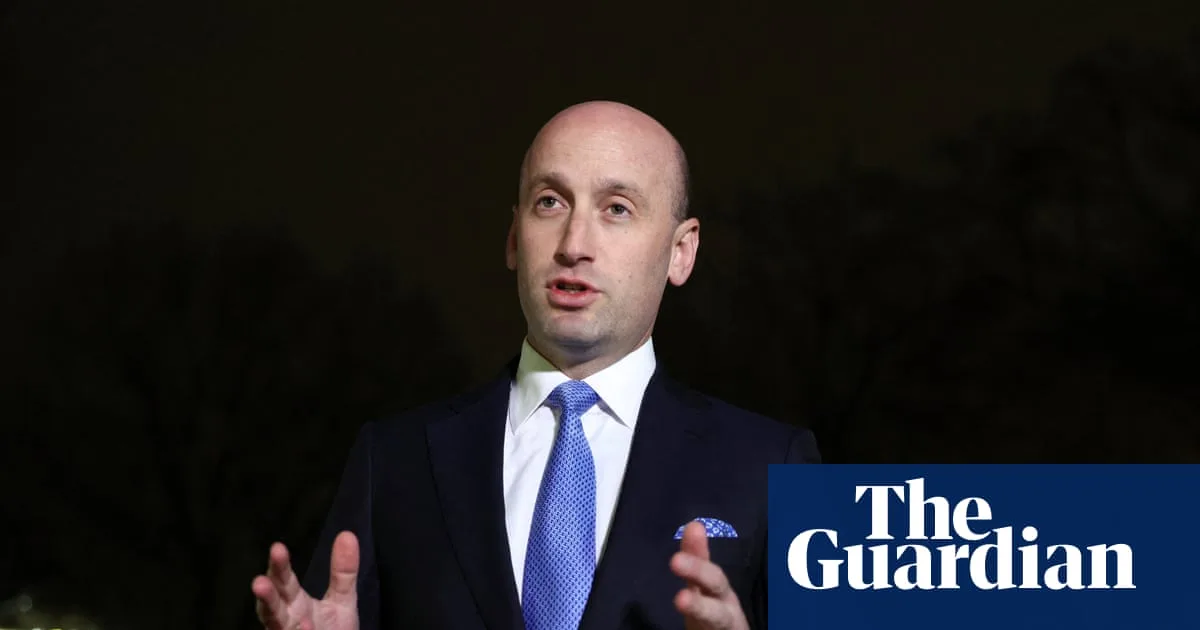
The European declaration came in response to renewed US demands to control Greenland, following the capture of Venezuelan President Nicolás Maduro by US forces. On Monday, Trump’s deputy chief of staff for policy, Stephen Miller, said “nobody [was] going to fight the United States militarily over the future of Greenland”, suggesting military intervention would not be needed due to Greenland’s small population.
Trump had earlier stated that the US needed Greenland “very badly”, raising fears of an invasion to secure its oil, gas, and rare earth minerals as the polar ice cap melts. Danish Prime Minister Mette Frederiksen warned that an attack on Greenland would risk the collapse of the Nato alliance. The European leaders emphasised that Arctic security must be achieved collectively with Nato allies, not through unilateral US action.
Greenland’s foreign minister, Vivian Motzfeldt, requested an urgent meeting with US Secretary of State Marco Rubio to discuss the situation. Lord Ricketts, a former UK national security adviser, warned that annexation of Greenland would be disastrous for Nato, effectively ending the alliance. On Tuesday night, the White House confirmed that using the US military to acquire Greenland “is always an option”, calling it a national security priority.




