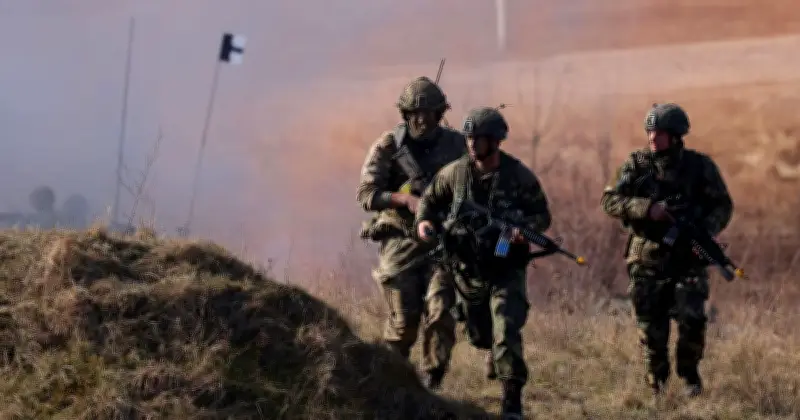
Men aged between 18 and 41 could be liable for military service if conscription is reintroduced in the UK, but workers in vital professions such as baking, farming, medicine and engineering may be exempt. The prospect has been raised amid growing geopolitical tensions, with Liberal Democrat MP Mike Martin telling the Daily Express that conscription "will happen" if Britain enters a war with Russia.
There is currently no compulsory military service in the UK. Conscription, also known as the draft, is the compulsory enlistment of people into a country's armed forces. Britain has only ever had two periods of conscription: between 1916 and 1920 and between 1939 and 1960. Both periods coincided with the world wars and the years that followed.
No active conscription law
The UK has no active conscription law today. Any return would require the Government to introduce new legislation setting out who could be called up, at what age and under what circumstances. Back in March, then PM Keir Starmer dismissed the prospect of conscription but warned that Europe must be "ready to fight" amid the increasing threat from Russia.
In the past, men aged between 18 and 41 were liable for military service. Those who objected to fighting, known as 'conscientious objectors', were sent to tribunals and then made to work non-combatant jobs that helped the war in other ways. But there were exemptions granted to people working in certain vital professions.
Exemptions in key industries
According to the UK Parliament website: "The National Service (Armed Forces) Act imposed conscription on all males aged between 18 and 41 who had to register for service. Those medically unfit were exempted, as were others in key industries and jobs such as baking, farming, medicine, and engineering."
During wartime, farmers and agricultural workers were essential to maintaining food production and feeding the population. Similarly, bakers and food industry workers were important in ensuring that essential supplies reached households and military personnel.
Doctors and nurses were needed to treat injured soldiers and civilians, maintain hospitals and keep the wider population healthy. Meanwhile, engineers and skilled industrial workers were needed to produce weapons, maintain military equipment, or repair infrastructure.
Modern technology could change exemptions
These occupations are likely to be important today as well. However, with AI and modern technology, there is no guarantee that the same professions would receive exemptions if conscription were reintroduced.