Security Expert Warns of Modern World War Impact on UK Economy and Conscription
Expert Warns of Modern World War Impact on UK Economy and Conscription

Security Expert Warns of Modern World War Impact on UK Economy and Conscription

As conflict intensifies in the Middle East, a leading security expert has issued a stark warning that the consequences could extend far beyond the battlefield, potentially transforming daily life across Britain in profound ways.

Professor Anthony Glees, a respected security analyst, cautions that if the current crisis continues to escalate, it could push the world closer to what many would describe as a modern version of World War Three. The implications for the United Kingdom would be significant and multifaceted, affecting everything from household budgets to national security policies.

Economic Shockwaves and Energy Price Surges

One of the most immediate impacts for ordinary British citizens would be economic. Professor Glees warns that if fighting disrupts critical shipping routes like the Strait of Hormuz—a vital channel carrying approximately a quarter of the world's oil supply—the consequences could be severe.

Wide Pickt banner — collaborative shopping lists app for Telegram, phone mockup with grocery list

Sustained price rises could push oil above £75 per barrel, fueling inflation across Western economies and derailing hopes of falling interest rates. This scenario would translate directly to higher fuel bills, rising food prices, and increased pressure on already strained household budgets.

"It will hit inflation everywhere in the West and knock the UK economy's plans for growth into never-never land," Professor Glees cautioned. The knock-on effects could include increased mortgage costs and slowed economic growth, creating a challenging financial environment for families and businesses alike.

The Changing Face of Modern Warfare

Unlike the massive armies clashing on European battlefields during the 20th century world wars, Professor Glees explains that a 21st-century global conflict would likely be fought using different methods. Drones, missiles, and sophisticated cyber attacks would play central roles in this new type of warfare.

The current confrontation involving Iran, the United States, and Israel risks spiraling into a much broader conflict if it continues unchecked. "What started as an air campaign could easily spread," Professor Glees told the Mirror, warning that it could pull in major powers and allies across the globe.

He believes the conflict already demonstrates the hallmarks of this new kind of global war—largely non-nuclear but highly technological and potentially long-lasting in its effects.

Potential Return of Conscription with Modern Incentives

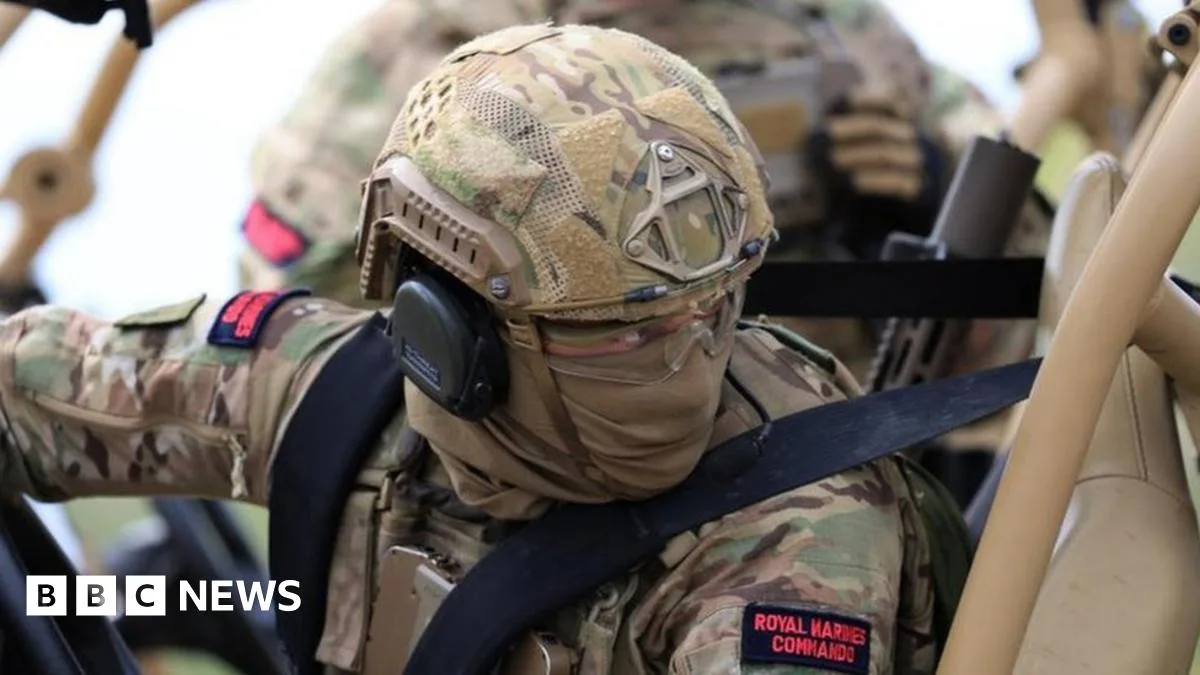
One of the most dramatic changes could be the return of conscription to Britain. Professor Glees believes the UK would need to dramatically expand its armed forces if a prolonged global conflict emerged, potentially requiring at least a doubling of current military personnel.

However, he suggests a modern system would likely differ significantly from the mass conscription seen during the Second World War. Instead, it could follow models used in countries like Sweden and Norway, where all young people must register for potential military service but only some are selected based on specific criteria.

To encourage voluntary enlistment, the government might offer significant incentives reminiscent of post-war reconstruction promises. During the Second World War, returning soldiers were promised sweeping social reforms including the creation of the National Health Service.

In a modern equivalent, Professor Glees suggests incentives could include:

  • Student debt cancellation programs
  • Free university education opportunities
  • Subsidised mortgage schemes for service members

Such policies could be used to encourage voluntary enlistment while simultaneously building a larger reserve force capable of responding to extended conflicts.

International Cooperation and Military Involvement

If the crisis expands further, Britain would likely act alongside its European partners and NATO allies. Professor Glees notes that European NATO members together with Ukraine can muster roughly 1.5 million troops—comparable to the size of Vladimir Putin's armed forces.

Pickt after-article banner — collaborative shopping lists app with family illustration

However, he warns that reliance on the United States alone may no longer be realistic in the current geopolitical climate. "Despite Brexit, we have to work closely with our European partners," he emphasized, highlighting the importance of international cooperation in addressing global security challenges.

The UK already maintains military bases in the region, including RAF Akrotiri and RAF Dhekelia in Cyprus. These installations serve as key hubs for intelligence gathering and military operations in the Middle East. If the conflict escalates further, British forces could find themselves drawn more directly into the fighting, either through defending allied bases or supporting international operations.

Personal Impacts Beyond Economic Concerns

For most people in the UK, the initial effects of a wider conflict would likely be felt in their wallets through rising energy prices, inflation, and economic uncertainty. But if the situation escalated further, the impact could become far more personal and direct.

From new national service schemes affecting young adults to an increased military presence across the country, the transformation could touch many aspects of daily life. While a full-scale global war remains far from certain, experts warn the current conflict highlights how quickly international crises can reshape domestic realities.

The recent incident involving a US military refuelling aircraft crash in western Iraq—resulting in four fatalities among six crew members—underscores the ongoing risks. General Dan Caine, chair of the US Joint Chiefs, confirmed the plane had crashed "while the crew was on a combat mission," with recovery operations continuing.

As Professor Glees concludes, the potential for rapid escalation means Britain must prepare for multiple scenarios, from economic disruptions to security challenges that could fundamentally alter life in the United Kingdom.




