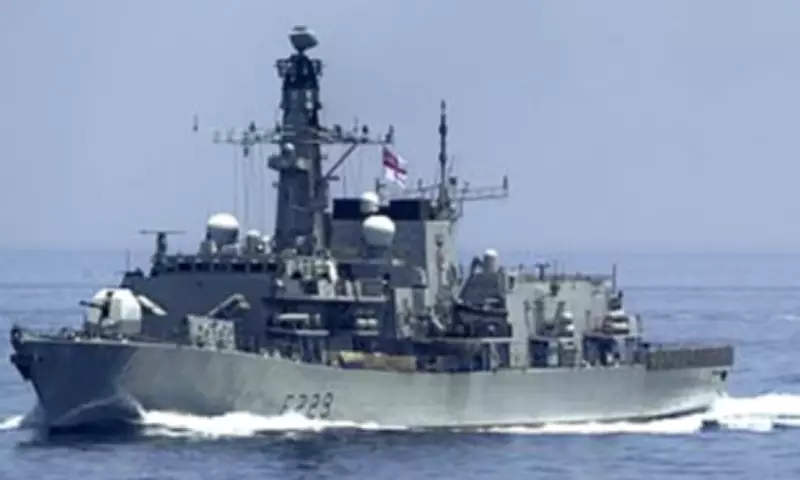
Two decades ago, during my tenure as First Sea Lord, the Royal Navy's standard operating procedure was to dispatch warships directly towards emerging conflict zones. This fundamental strategy, however, relies on a critical prerequisite: having sufficient vessels available for deployment. Today, the Royal Navy has been so drastically reduced in size that even when we detect the unmistakable sound of gunfire, our capacity to respond appears severely compromised.
Strategic Withdrawal from a Critical Region
Two months prior, I publicly expressed grave concerns regarding the alarming absence of British naval forces in a region where tensions were visibly escalating: Iran and the Gulf. For sound strategic reasons, the United Kingdom has historically maintained a symbolic military presence east of Suez. This presence has consistently proven its worth through diverse operations, including counter-piracy missions off the Horn of Africa, intercepting narcotics supply chains worth millions of pounds, safeguarding vital commercial shipping lanes, and executing civilian evacuations from conflict zones like Sudan.
A Deafening Silence from the Ministry of Defence
The situation deteriorated further when it was revealed that HMS Lancaster, our last remaining warship stationed in the region, was being retired. In January, I formally inquired whether there were any plans to reinforce our forces there. My question was met with a disheartening silence. Until recently, our strategic base in Bahrain hosted not only HMS Lancaster but also minesweepers and a supply ship. In a disgraceful turn of events, our final ageing mine-hunter has now departed the region, and we lack even the basic means to replace the retired warship.

This withdrawal occurred on the eve of the current missile and drone conflict, effectively abandoning a strategic presence that served dual purposes: reassuring our Gulf state allies and underscoring the United Kingdom's continued relevance and commitment. Finding ourselves in this precarious position represents nothing short of a dereliction of duty, leading directly to a significant diminution of the UK's status and influence across the region.
The Capabilities We Have Lost
HMS Lancaster, a Type 23 frigate, completed a highly productive three-year deployment in the Middle East. During this period, it successfully seized narcotics with an estimated street value of £150 million. Furthermore, it was the first vessel tasked to the Red Sea in December 2023 when threats from Houthi attacks intensified. Originally designed for anti-submarine warfare, the frigate was also equipped with advanced anti-aircraft capabilities, including the potent Sea Ceptor missile system.
I do not exaggerate when I state how invaluable such a vessel would be in the context of a modern missile war. It would have been far preferable if HMS Lancaster had remained operational. Compounding this error, the Royal Navy is now scrambling to deploy a single destroyer, HMS Dragon, to the Mediterranean. Its mission is to protect our sovereign bases in Cyprus from potential Iranian drone attacks, a task that underscores our stretched resources.
A Fleet in Disrepair
HMS Dragon is one of only six Type 45 destroyers in the entire fleet. Under ideal circumstances, only one vessel should be in deep maintenance at any given time, allowing the remaining five to be available for deployment. However, due to neglected necessary maintenance, other vessels are simply not ready for service. For the past fourteen years, I have persistently urged the Ministry of Defence to commission new ships and accelerate their construction. These appeals went unheeded, and new frigates currently under construction will not be operational until 2027 at the earliest.
The Roots of the Crisis
Many of these systemic problems can be traced back to the Coalition government of 2010, which implemented sweeping defence cuts, reducing our military capacity by approximately one-third. Regrettably, these cuts continued almost unabated until very recently. The new Labour Government has pledged to reverse these historic errors and increase investment in our vital national defences. While this commitment is welcome, these plans must be enacted immediately, not deferred to some indeterminate future date.

I am deeply concerned that Whitehall has forgotten a fundamental truth: the United Kingdom's influence on the international stage has always been intrinsically linked to the strength of our military, with the Royal Navy playing a particularly pivotal role. We secured a place at the top table during the Balkan conflicts and the Sierra Leone intervention, and we were the second-largest military contributor to the 2003 invasion of Iraq.
During the historic Falklands campaign, we were able to deploy a carrier battle group within days because the necessary assets were prepared and ready. This brings us back to the core principle: to send ships towards the sound of gunfire, you must first possess the ships to send. Our current fleet's shrunken state and poor readiness render this basic strategic tenet increasingly unattainable.