
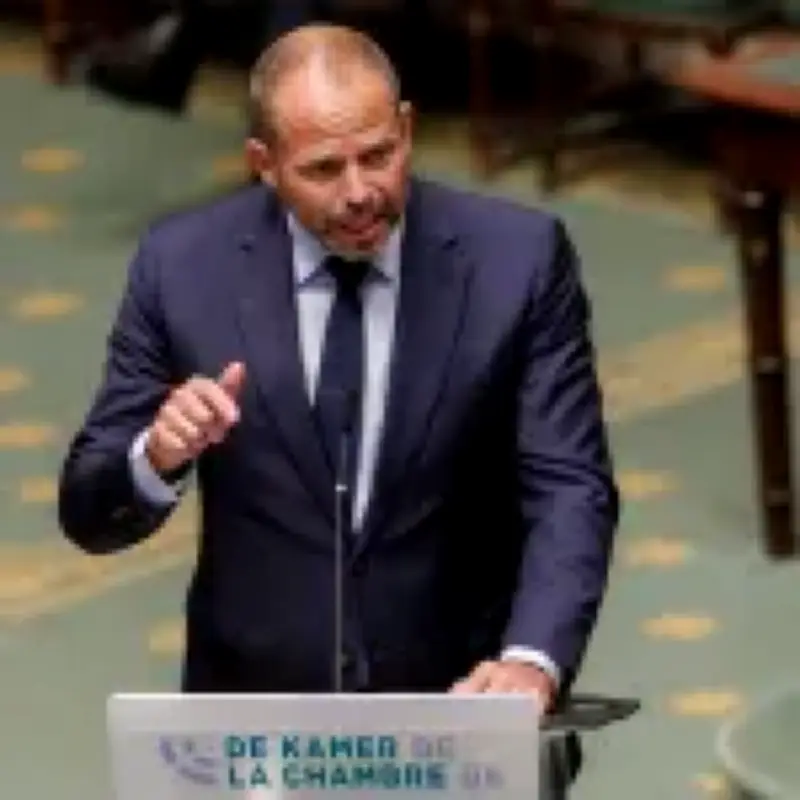
European countries have been warned to prepare for a 'dark winter' as threats from Russia continue to escalate. Belgian Defence minister Theo Francken said: 'There will be more hybrid threat actions in the coming months. It will be a dark winter for Europe.'
Urgent call for increased defences
Francken emphasised the need for rapid action, stating: 'We need to scale up our air defences and we need to have more stocks, scale up production. Everything has to go faster.'
His remarks follow a July report warning that Russia has been 'waging a campaign of war' against the UK by launching hundreds of drones and covert UAVs across Britain and Europe from its shadow fleet, in preparation for a future conflict.
Expert analysis on the warning
The urgency of Francken's message has drawn attention from other European nations. Chatham House Russia Expert Keir Giles told Metro: 'Belgium, which is not known as a country that is overly alarmist about the Russian threat, may have identified specific problems that could be facing Europe in the near term.'
Giles added: 'There could be a specific warning of a Russian plan that is causing him to use this language. It is not unusual for intelligence warnings of what Russia is preparing to be released across Europe.'
'On the other hand, anybody who is looking at the pattern of escalation by Russia over the past few months, and how Moscow feels able to embark on ever more dangerous and provocative actions, will understand for themselves that unless that trend is interrupted or reversed, it is going to be a very dangerous time for Europe.'
Intelligence reports of planned attacks
Last week, United States intelligence warned of a planned Russian drone attack targeting France, Italy and Spain. El Mundo reported that the US shared the Kremlin's plans for a major escalation, which would see Russia use drones launched from shipping containers in the Mediterranean.
Lithuanian authorities said the drones used would be Gerbera drones, which have a range of around 600km and can be launched easily. It is believed that CIA head John Ratcliffe's recent visit to Moscow for 'undisclosed talks' was to warn the Kremlin against the plan.
The leaders of Spain, France and Italy were later informed about the potential drone attack, which would likely trigger a larger conflict. The latest warning is consistent with previous statements from Russia about what it would do if Western nations continued to support Ukraine.




