Lib Dem Leader Demands UK Nuclear Independence from US, Admits Cost Unknown
Davey Calls for UK Nuclear Independence, Cost Unclear

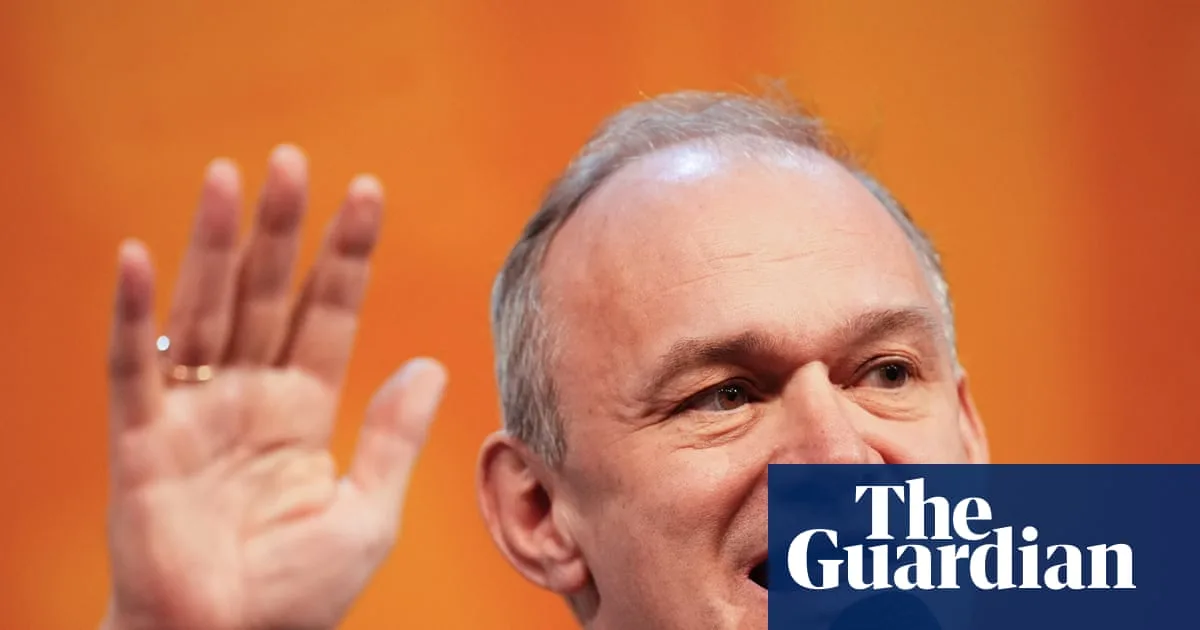
Liberal Democrat leader Sir Ed Davey has issued a stark demand for Britain to sever its nuclear deterrent ties with the United States, though he openly conceded that the potential costs of such a move remain unknown. In a significant address delivered at his party's spring conference in York, Sir Ed asserted that the United Kingdom must establish a 'genuinely, verifiably' independent nuclear deterrent to replace the current Trident programme.

A Call for Sovereign Nuclear Capability

Sir Ed argued that while the Trident nuclear missile system is operationally independent, allowing the UK government to deploy the weapon if deemed necessary, its reliance on American manufacturing and maintenance undermines true sovereignty. He emphasised that this dependency means the deterrent cannot be considered fully autonomous.

Trump's Presidency as a Catalyst

The Liberal Democrat leader pointed to the presidency of Donald Trump as a pivotal factor, stating it had 'proven we can't rely on America as a dependable ally.' He expressed concern over the unpredictability of US leadership, remarking that the UK's nuclear deterrent should not be 'dependent on the mood at breakfast of the person in the Oval Office.'

Sir Ed elaborated, 'When we've got presidents in the White House like Donald Trump – totally unreliable – I don't think we can have our nuclear deterrent dependent on the mood at breakfast of the person in the Oval Office. I don't want us, unlike the Conservatives and Reform, to be the 51st state of America. I want us to be independent and proudly independent.'

Proposed Path to Independence

Sir Ed outlined a two-phase strategy to achieve nuclear independence:

  1. Immediate Action: Develop a UK-based maintenance programme for the existing Trident system to reduce reliance on US support.
  2. Long-term Goal: Manufacture a fully British-made alternative to replace Trident once the current weapons reach the end of their operational lives in the 2040s.

Financial Uncertainties Acknowledged

When pressed on the potential costs during a television interview on the BBC's Sunday with Laura Kuenssberg, Sir Ed admitted, 'You don't know on something like this until you contract it out.' He added, 'You'd have to work with scientists. Of course you'd have to do that with industry. But here's the point. First of all, you don't know how much an American president might decide to charge us. It's only one supplier - monopoly suppliers are never a good thing.'

Sir Ed advocated for investing in domestic expertise, stating, 'I think if you spend that money on British scientists, British engineers, British businesses, we could build our own independent missile technology.'

Urgency and Strategic Timing

The Liberal Democrat leader acknowledged that establishing a fully independent nuclear deterrent would take 'decades,' underscoring the need for immediate action. He warned, 'That's why we have to start now. I'm really worried that in 10 years time, you'll have people... wringing their hands saying, 'Well, if we'd taken a decision 10 years ago, yes, we could have our own independent missile technology for our nuclear subs, but it's too late now'. So take the decision now.'

Broader Foreign Policy Implications

Sir Ed also addressed broader foreign policy concerns, particularly in relation to the Iran crisis. He argued that Britain should not be at Donald Trump's 'beck and call' regarding US calls for naval support in the Strait of Hormuz. Tehran's blockade of this vital sea passage has disrupted oil and gas flows from the Middle East, driving up global energy prices.

Speaking to Sky News, Sir Ed stated, 'We should respond in our national interest, not because Donald Trump's asked us to go and help him. We should take a decision based on our own analysis, working with our allies, both in the region, our European allies, as well as our American allies. But at the moment, I can't see a reason that we should go. I don't think we should be at Donald Trump's beck and call. He's got no plan. He's thrashing around.'

This stance reinforces his overarching message: the UK must prioritise its own strategic interests and reduce dependency on unpredictable international partnerships, particularly with the United States under leadership he deems unreliable.




