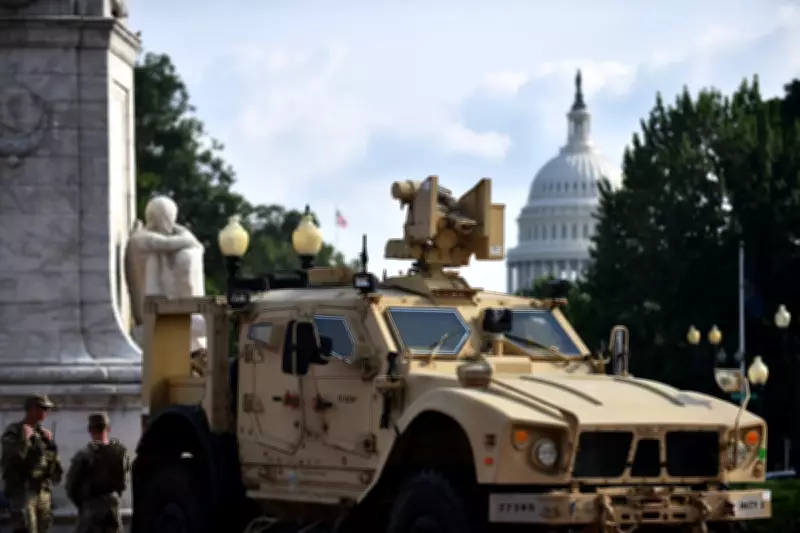
US Congress Debates Transfer of Military-Grade Weapons and Drones to Allies
The United States Congress is currently engaged in a heated debate over the proposed transfer of military-grade weapons and advanced drone technology to allied nations. This discussion has sparked significant concerns regarding global security, ethical implications, and the potential for escalating conflicts in volatile regions.
Security and Ethical Concerns
Lawmakers are divided on the issue, with some arguing that such transfers are necessary to strengthen alliances and counter emerging threats. However, opponents warn that providing high-tech weaponry could lead to unintended consequences, including the proliferation of arms and increased instability. The debate highlights the delicate balance between national security interests and international responsibility.
Impact on Global Relations
The transfer of military-grade drones, in particular, has raised questions about surveillance capabilities and the risk of misuse. Critics point to past incidents where similar technologies have been involved in civilian casualties, urging Congress to implement stricter oversight and accountability measures. Proponents, on the other hand, emphasize the strategic advantages of equipping allies with cutting-edge tools to deter aggression.

Future Implications
As the debate continues, experts suggest that the outcome could set a precedent for future arms deals and influence US foreign policy for years to come. The decision will likely involve complex negotiations, with considerations for human rights, regional stability, and the evolving nature of modern warfare. The congressional discussions are expected to intensify in the coming weeks, with potential amendments to existing legislation on arms exports.