China Revives Cold War Defence Strategy Amid Rising US Tensions
China Revives Cold War Defence Strategy Against US

China's Cold War Defence Strategy Makes a Comeback

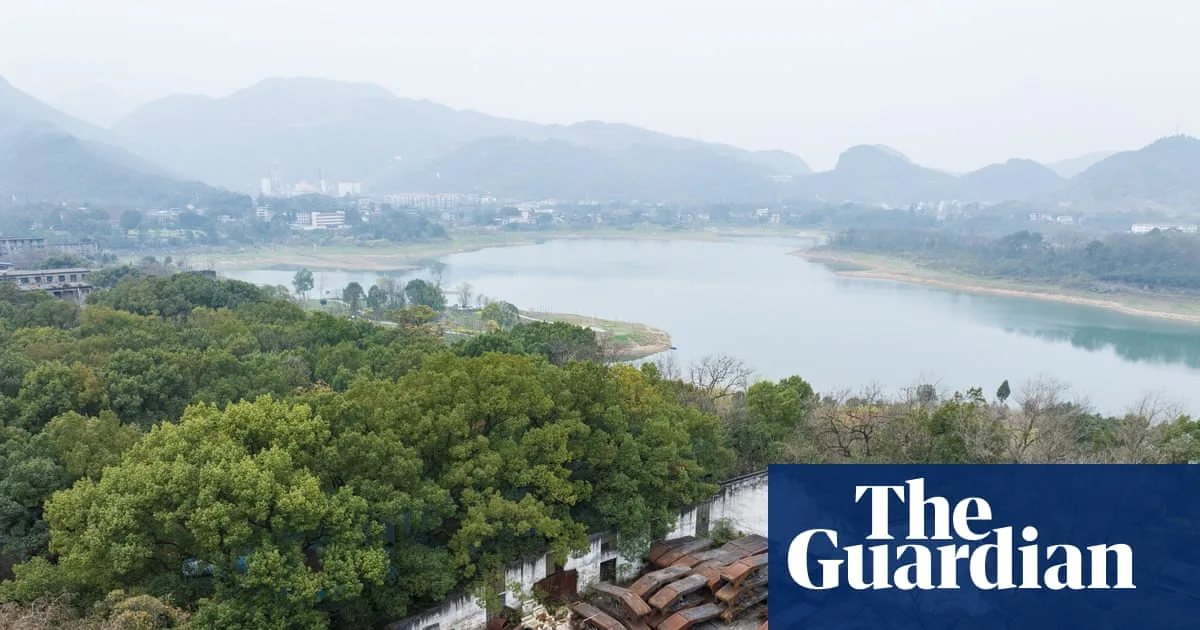
Amid escalating tensions with Washington, China is resurrecting a cold war-era defence strategy, repurposing abandoned military sites in remote inland provinces to fortify against potential US aggression. The crumbling ruins of once-secret factories, hidden in the mountainous terrain of Sichuan and other regions, stand as eerie reminders of Mao Zedong's ambitious Third Front program, now being revived under Xi Jinping's leadership.

The Legacy of the Third Front

Launched in 1964 by Mao Zedong, the Third Front was a massive national defence initiative designed to protect China from cold war enemies like the United States and the Soviet Union. It mobilised 15 million workers and attracted over 200 billion yuan in government investment, with factories strategically placed in remote areas such as Sichuan, Gansu, and Ningxia to shield them from invasion. These facilities, often nestled within natural fortresses like the Huaying mountain range, operated in secrecy for about 15 years before being abandoned as relations with the West warmed after Mao's death in 1976.

Deng Xiaoping later declared that large-scale war was unlikely, leading to the gradual neglect of these sites. However, with current Sino-US relations souring, China is once again turning to these heartlands to enhance its defence capabilities. Recent satellite imagery suggests a nuclear build-up in these regions, with China estimated to have 600 warheads, a number expected to more than double in the next decade.

Wide Pickt banner — collaborative shopping lists app for Telegram, phone mockup with grocery list

Modern Revival and Strategic Shifts

Under Xi Jinping, China has prioritised national self-resilience, echoing Mao's vision but with greater economic and military strength. In July 2024, the Communist party passed a resolution to develop strategic hinterlands and ensure backup plans for key industries, leveraging remote provinces to counter threats of invasion or international isolation. While China's defence spending, at $317.6 billion in 2024, remains lower than the US's, it has grown from one-sixth to one-third of US expenditure since Xi took power in 2012.

Covell Meyskens, a China historian at the Naval Postgraduate School, notes that China is now in a stronger position, aiming for a second-strike nuclear capability against the US. Unlike the 1960s, when China was a poor third-world country, it now stands as a peer in the western Pacific. However, the intertwined US and Chinese economies, though reducing conflict risk, are being disentangled through trade wars, with both sides working to secure independent supply chains.

Abandoned Sites and Local Impact

Many Third Front factories, such as the Hongguang instrument factory in Sichuan, have been left to decay or repurposed for civilian use. Once bustling with nearly 2,000 workers producing military lasers and fighter jets, these sites are now overgrown with vegetation or used for farming, with elderly residents harvesting crops like cabbages and canola. Local communities have dwindled as younger generations migrate to cities, leaving behind dilapidated buildings and a pastoral existence.

Despite the economic impracticality of remote factories, Xi's focus on self-sufficiency and global superpower status has revived the Third Front's principles. China's arms imports have dropped by over 70% between 2021 and 2025, thanks to increased domestic production. Meyskens warns that the geopolitical environment is returning to a hostile, cold war-like state, emphasising the importance of keeping conflicts cold to avoid escalation.

This revival underscores China's commitment to bolstering its defences in an era of renewed great power rivalry, blending historical strategies with modern military advancements.

Pickt after-article banner — collaborative shopping lists app with family illustration




